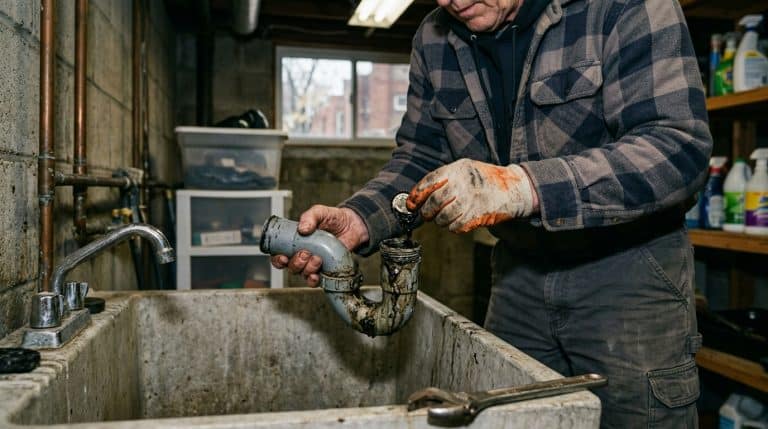
When multiple plumbing fixtures act up simultaneously, you are likely dealing with a main sewer drain clog rather than a simple sink backup. Lower-level drains show symptoms first, turning laundry into an immediate emergency. Recognizing early warning signs allows you to address blockages before raw sewage backs up into living spaces.
In Twin Cities homes, underground sewer lines face severe environmental stresses as temperatures drop in late autumn and early winter. Understanding how your home’s drainage architecture reacts to main line blockages helps restore proper flow, saving time and preventing damage to your home.
Recognizing the Warning Signs of a Sewer Drain Clog
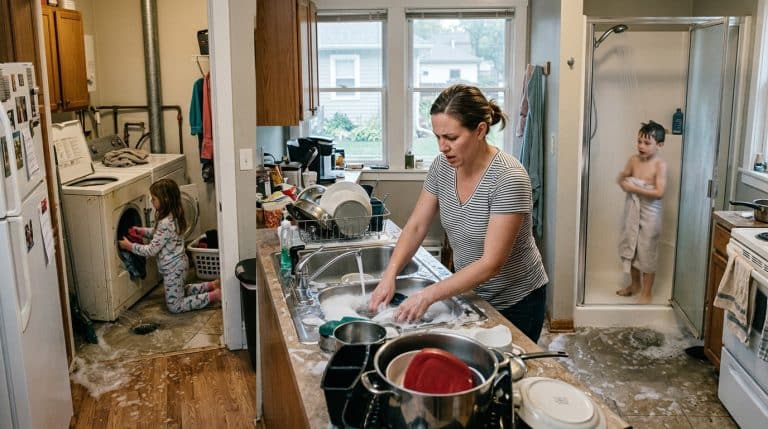
A main sewer line acts as the central exit pathway for all wastewater generated inside your home. When an obstruction forms in this primary pipe, water pushed down from upper fixtures has nowhere to go and naturally seeks the path of least resistance. This is why running a top-floor washing machine often causes dirty water to bubble up out of the basement floor drain moments later.
Simultaneous fixture reactions are another clear indicator of main line trouble. Flushing a main-floor toilet might cause water to gurgle up into a nearby bathtub, or running the bathroom sink might cause the toilet water level to rise and fall dramatically. These strange noises happen because trapped air is squeezed past water traps in lower plumbing fixtures as wastewater fills the clogged main pipe.
When we assess potential main line blockages, our technicians evaluate total system performance rather than focusing on a single overflowing sink. We test multiple fixtures at once to track how wastewater travels through your home’s main lateral line. This systematic approach ensures we clear the actual main obstacle rather than treating secondary symptoms.
Common Causes Behind Main Line Sewer Blockages
During the colder months, liquid fats, oils, and grease poured down kitchen drains solidify rapidly as they enter cold underground pipes. Over time, these hardened lipids coat the inner pipe walls, catching food scraps and paper products until the pipe inner diameter shrinks significantly. Winter holiday cooking often accelerates this process, turning minor grease coatings into total line blockages overnight.
Tree roots represent another persistent threat to older underground drainage systems throughout the region. Deciduous trees send roots searching deep for moisture and nutrients late into the autumn before the surface soil freezes solid. These microscopic root tendrils slip through small cracks or loose joints in cast iron and clay pipes, expanding inside the pipe until they form dense, hair-like mats that catch all solid waste.
Physical line defects can make routine clearing difficult and cause blockages to return quickly. As Pablo Tapia, Owner at Right Away Sewer Cleaning explains a recent job where “Tree roots had grown into the sewer line, making it difficult to clear the blockage. The pipe also had a Y connection and it was connected the wrong way so every time we tried cleaning it it would go the wrong way but with lots of effort the clog was resolved.”
Heavy seasonal water usage from houseguests and family gatherings often acts as the final trigger for a latent line restriction. A main pipe that handled daily flow for a small household may suddenly overflow under the stress of back-to-back showers and constant laundry loads. Recognizing how seasonal factors compound physical pipe defects helps prevent sudden, messy drain failures when your home is at peak occupancy.
Clearing Methods: Mechanical Snaking vs High Pressure Water Jetting
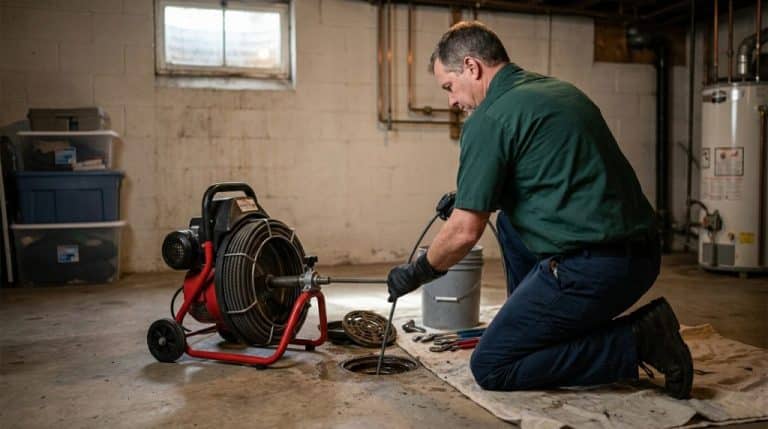
When a primary sewer lateral becomes blocked, restoring flow requires tools strong enough to clear stubborn materials like thick grease and solid tree roots. Mechanical snaking uses a heavy steel cable fitted with specialized cutting blades to bore through dense blockages. While effective at punching a hole through heavy root masses to restore immediate flow, a mechanical snake cable primarily cuts a central pathway rather than washing the interior pipe walls entirely clean.
High-pressure hydro jetting provides a comprehensive cleaning solution by blasting water through specialized nozzles at pressures exceeding 4,000 PSI. This intense force strips stubborn fat, oil, and mineral scale off inner pipe surfaces while flushing away loose debris completely.
Store-bought chemical drain openers should never be poured into a main sewer line backup. These harsh liquid chemicals rely on standing water to carry them down to the blockage, but they rapidly dilute in a flooded main line, rendering them ineffective. The corrosive chemicals then pool in your home’s pipes, creating health hazards for technicians who must handle the standing water during mechanical line restoration.
Choosing the proper equipment depends entirely on the nature of the blockage and the structural condition of your main sewer line. At Right Away Sewer Cleaning, we offer mechanical snaking and chemical-free hydro jetting, backed by transparent flat-rate pricing. If you need a drain cleaning service, using modern clearing tools ensures your lines are thoroughly cleaned without relying on hazardous chemicals.
When Drain Cleaning Is Not Enough: Identifying Pipe Damage
If your main sewer line backs up repeatedly despite being thoroughly cleared, the underlying issue is usually physical pipe damage rather than a simple blockage. Structural failures such as cracked pipes, collapsed sections, offset joints, or severe belly dips trap waste continuously. In these situations, clearing the line provides temporary relief, but solids will collect in the damaged area again shortly after use resumes.
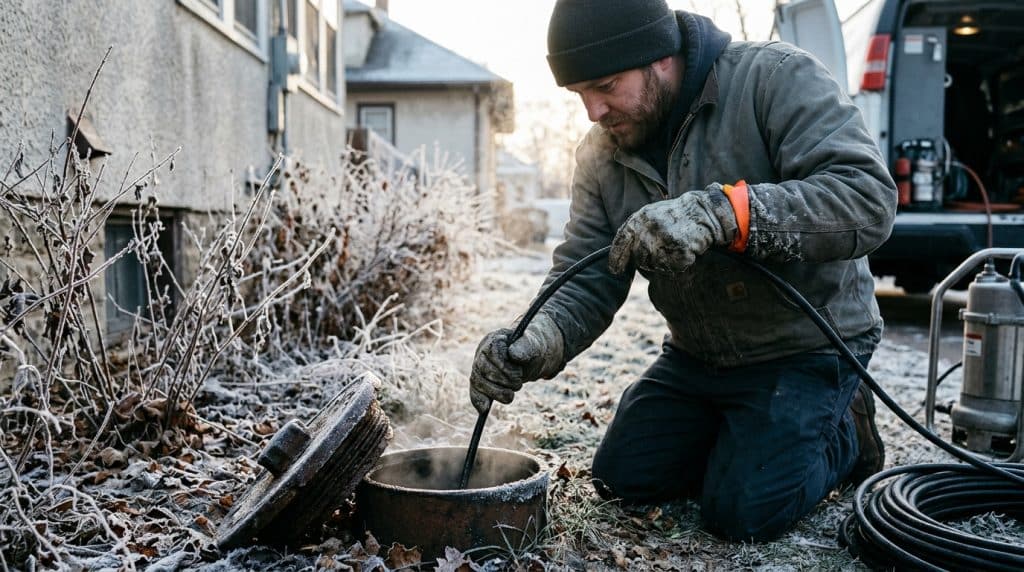
A high-definition sewer camera inspection is the most reliable way to diagnose underlying structural defects without digging up your yard. Technicians feed a waterproof camera attached to a flexible push-cable directly down through your cleanout access point to visually inspect every inch of the pipe interior. This visual evidence pinpoints the exact depth and location of structural failures, allowing for targeted repairs instead of whole-yard excavation.
As Pablo Tapia, Owner at Right Away Sewer Cleaning notes, “When customers experience recurring drain backups, the issue may be a damaged or broken pipe rather than a simple clog. We recommend a sewer camera inspection to identify the problem and provide the best long-term solution.” Identifying structural defects early protects your home from sudden line failures and gives you the information needed to plan permanent pipe repairs.
Preventative Steps to Protect Your Sewer Line This Season
Preventing main line backups starts with controlling what enters your drainage system at the fixture level. Never pour liquid cooking fats, pan scrapings, or heavy gravy down kitchen sinks, even if you run hot water or use a garbage disposal unit. Collect cooled grease in disposable containers and throw it in the trash to prevent sticky deposits from hardening inside underground main lines.
Educating guests about proper bathroom waste disposal is equally critical during busy winter gatherings. Items like flushable wipes, facial tissues, paper towels, and feminine hygiene products do not break down in water like standard toilet paper. When flushed, these tough fibrous materials catch on rough pipe joints or small tree roots, creating dense blockages deep inside your main line.
Scheduling routine main line maintenance before cold weather arrives is the best defense against unexpected floor drain backups. Proactive hydro jetting or snaking removes accumulated grease, silt, and invasive root strands before heavy household use causes a complete blockage. Investing in preventative line cleaning keeps your system running smoothly through high-demand holiday seasons.
Resolving Your Minneapolis Sewer Drain Clog Quickly
Addressing main line sewer backups immediately is critical to protecting your basement, finished floors, and property from costly water damage. Ignoring slow floor drains or fixture gurgling increases the risk of raw sewage spilling into your home during high water use. Prompt attention to main line warnings restores proper drainage and helps keep your living space clean and safe.
When a technician arrives to handle a main line emergency, they locate your main line cleanout, assess the symptoms, and select the right equipment to clear the obstruction safely. Professional drain specialists focus on removing the clog thoroughly and checking the pipe to prevent recurring backups. Experienced technicians ensure your drainage system is running reliably before leaving the job site.
At Right Away Sewer Cleaning, we deliver fast local service with straightforward flat-rate quotes and no trip fees once you accept our phone estimate. Our team uses powerful clearing equipment and thorough line inspections to restore your home’s main sewer line quickly and affordably.
Frequently Asked Questions
How do you know if your main line is clogged?
A main sewer line clog affects multiple plumbing fixtures across your home at the same time, particularly on the lowest floor. You will notice basement floor drains overflowing, toilets gurgling when sinks drain, or standing water rising in bathtubs when the washing machine drains. Main line blockages cause sewage to back up at the lowest open drain points.
Will chemical drain cleaners unblock a main sewer line?
No, store-bought chemical drain cleaners are ineffective for clearing main sewer line blockages and can damage your plumbing. Main sewer pipes hold large volumes of standing water when blocked, which quickly dilutes liquid chemical drain openers before they reach the main obstruction. These corrosive chemicals sit in your pipes, creating hazards for drain specialists clearing the line mechanically.
What is the difference between drain snaking and sewer hydro jetting?
Drain snaking uses a heavy rotating steel cable to bore a hole through dense physical obstructions like tree roots or paper jams to restore basic flow. Sewer hydro jetting uses high-pressure water streams exceeding 4,000 PSI to scour the entire inner pipe wall clean of grease, fat deposits, and fine root masses. Hydro jetting returns the pipe interior to a fully restored condition.
How much does it typically cost to clear a main sewer drain in Minneapolis?
Clearing a main sewer line typically ranges between $200 and $400, depending on the severity of the obstruction and the equipment required. Simple mechanical snaking through an accessible cleanout falls on the lower end, while heavy hydro jetting or severe root cutting sits higher. Dedicated drain specialists with flat-rate upfront pricing ensure transparent costs without unexpected trip charges.
What are the immediate signs that a clog is in the main sewer line rather than a single sink or fixture?
The primary indicator of a main line issue is cross-fixture reaction, where using one plumbing fixture forces water or air out of another. For instance, running your kitchen sink might cause the basement toilet to bubble, or flushing a main-floor toilet may push water into the shower basin. Single sink clogs only affect that specific basin.
Why do chemical drain openers fail on main sewer line blockages?
Chemical drain openers fail on main line blockages because the physical distance to the main underground lateral is too great for liquid chemicals to remain effective. As the solution travels through hundreds of feet of pipe filled with trapped wastewater, it loses its heat-generating potency and chemical concentration. The diluted liquid simply sits against impenetrable obstacles like solid tree roots or heavy grease caps without dissolving them.
Schedule Fast Main Sewer Line Clearing Today
Main sewer line blockages require immediate, professional attention to prevent standing sewage from damaging your home’s foundation and interior spaces. Recognizing fixture gurgling, backed-up basement floor drains, and slow multi-fixture drainage allows you to fix the underlying obstruction before catastrophic structural flooding occurs.
At Right Away Sewer Cleaning, our experienced technicians specialize in main line clearing and complex drain diagnostics throughout the Twin Cities metro area. We pinpoint the true cause of your main line restriction using modern equipment and flat-rate pricing to ensure your residential sewer system operates safely without unexpected hidden costs.
If you are dealing with backed-up basement drains or persistent multi-fixture blockages, contact us today to get a flat-rate quote and schedule immediate service with our experienced drain team.