
St. Paul winters are beautiful, but they can be brutal on your plumbing. Sub- zero temperatures can cause water inside your pipes to freeze, expand, and ultimately, burst. A burst pipe isn’t just an inconvenience; it can lead to significant water damage and costly repairs.
Are you truly prepared for a plumbing emergency? Knowing precisely what to do when a pipe bursts can minimize damage to your home and save you a considerable amount of money. At Right Away Sewer & Drain Cleaning, we’re here to help you navigate these stressful moments with practical, fast-acting advice.
Immediate Steps to Take
When you discover a burst pipe, time is of the essence. Your immediate actions can significantly impact the extent of the damage. Stay calm and follow these critical steps:
- Shut off the water supply: This is your absolute first priority. Stopping the flow of water prevents further flooding.
- Protect yourself from electrical hazards: Water and electricity are a deadly combination. If water is near outlets or your breaker panel, do not touch anything. Turn off the power to the affected area only if it is safe to do so.
- Contain the water: Use buckets and towels to soak up what you can, and move valuables to a dry location.
- Call for help: A burst pipe requires professional repair to ensure the line is properly sealed and reinforced against future freezes.
Shutting Off the Water Supply
Locating and shutting off your main water supply is the most crucial step. Familiarize yourself with this valve before an emergency occurs. In St. Paul homes, the main shutoff is typically located in the basement or crawl space, often near the water meter where the line enters the house.
Turn the valve clockwise to shut it off. If the valve is stuck, do not force it, as you could break the handle. If you cannot stop the flow, call us immediately. Quick intervention is the best way to avoid the need for major sewer repairs or structural restoration later.
Contacting an Emergency Plumber
While a DIY fix might seem tempting, a burst pipe often indicates a larger pressure issue or weakened plumbing that needs expert attention. Finding a reliable, family-owned team ensures the job is done right the first time.
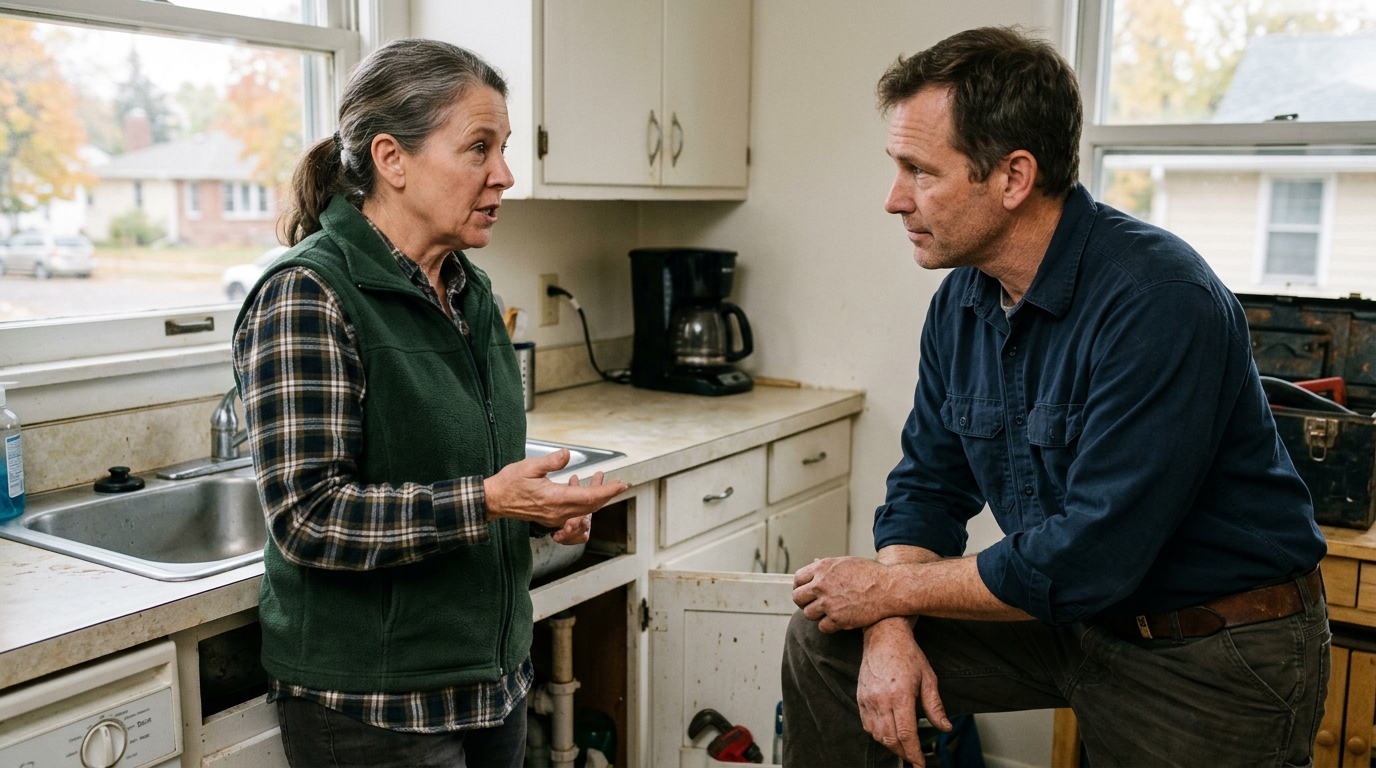
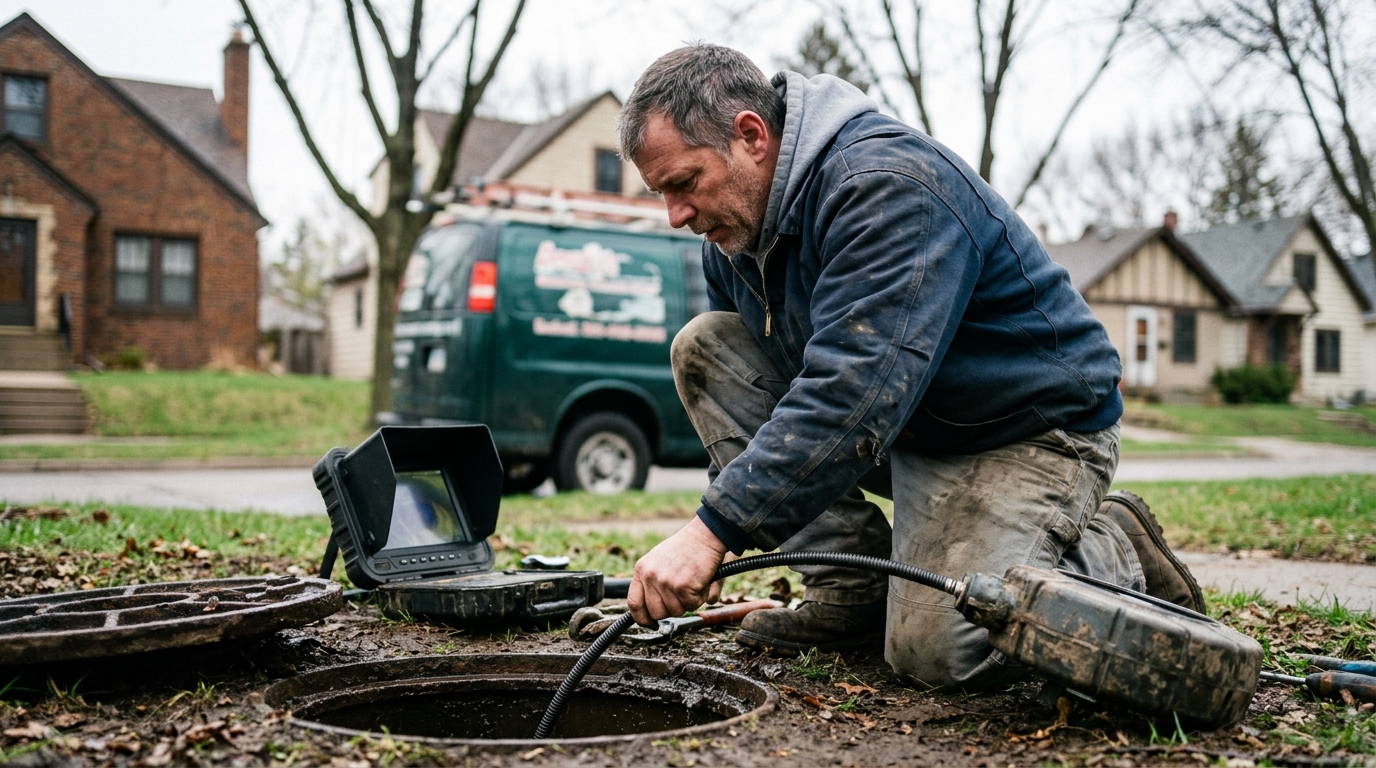
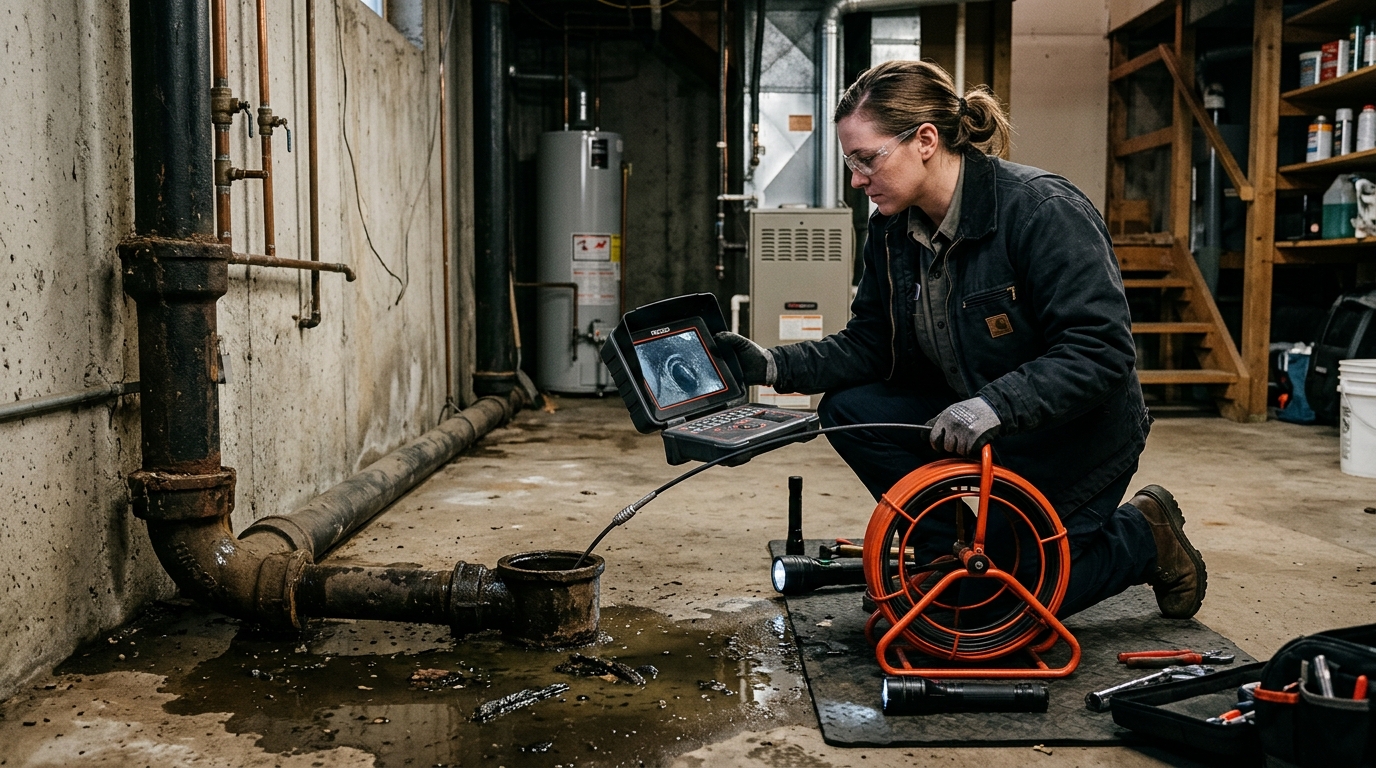
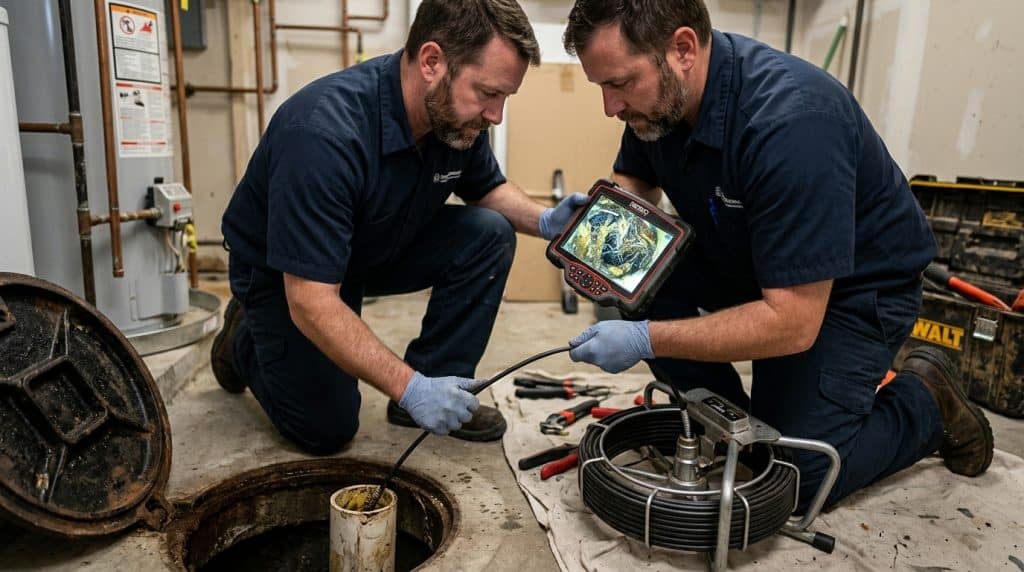
When the plumber arrives, show them exactly where the leak started. They will assess the damage and provide a clear plan for repair. If the burst was caused by a backup or a clogged line that froze, they may recommend a video camera inspection to check for other vulnerabilities in your system.
Dealing with Water Damage
Document everything. Take photos and videos of the damage for insurance purposes before you start the cleanup. Reach out to your insurance provider promptly to report the incident.
To help prevent mold and structural rot, ensure the area is dried out completely using fans or a wet/dry vacuum. For more information on safely managing a flooded home, the Minnesota Department of Health offers excellent resources on water safety and home sanitation.
Preventing Future Burst Pipes
Preparation is the best way to avoid a repeat performance. To safeguard your home:
- Insulate pipes in unheated areas like attics or garages.
- Seal air leaks around the foundation where cold air can whistle in and hit your plumbing.
- Let faucets drip during extreme cold to keep water moving.
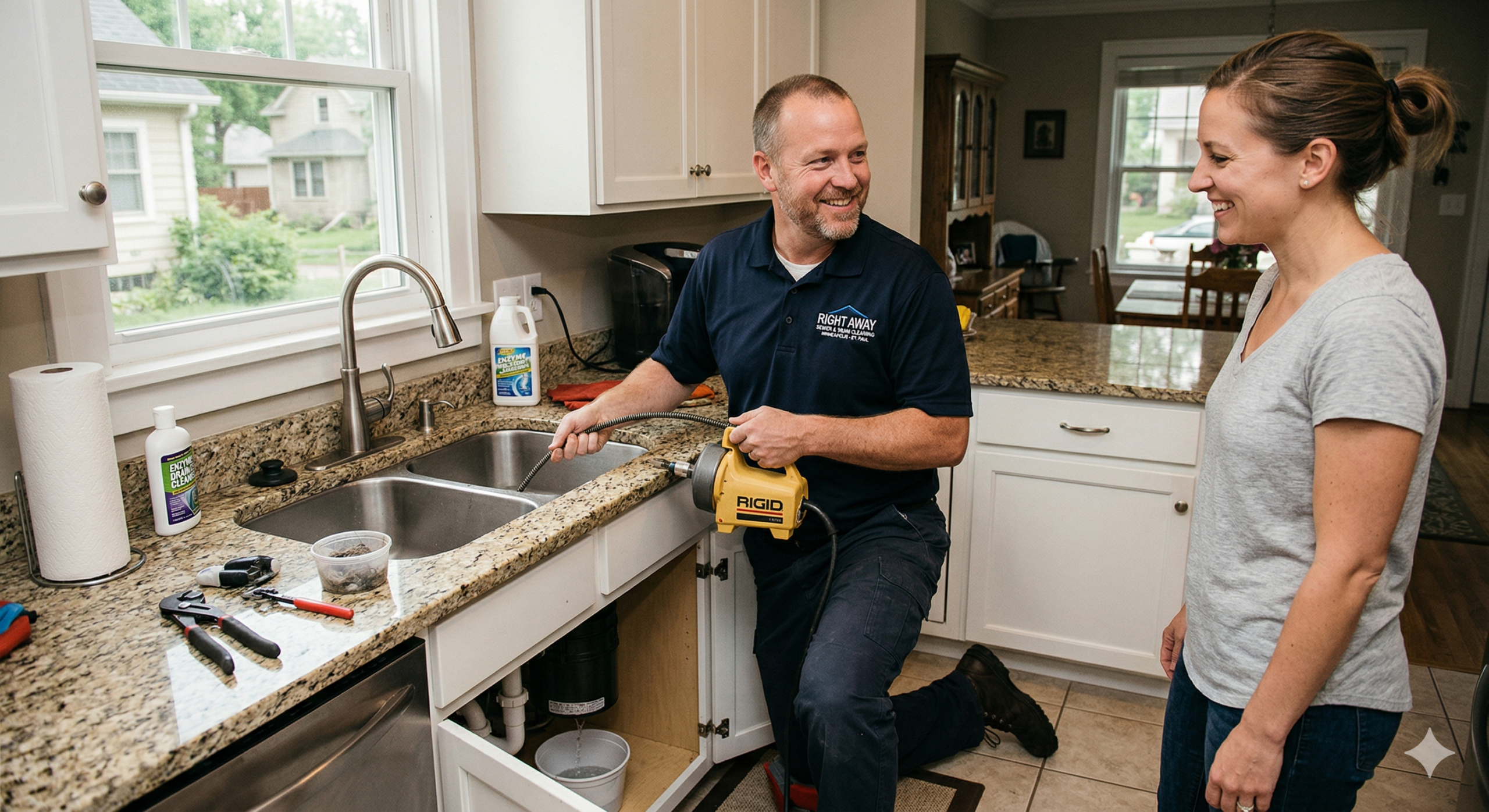
- Schedule maintenance: Periodic sewer cleaning ensures your lines are clear of debris, reducing the internal pressure that can contribute to pipe failure during a freeze.
Right Away. Right Solutions.
When a pipe bursts in St. Paul, you don’t have to face it alone. Being prepared and acting quickly can save your home from a total disaster. Our team is dedicated to keeping the Twin Cities flowing smoothly, even in the dead of winter.