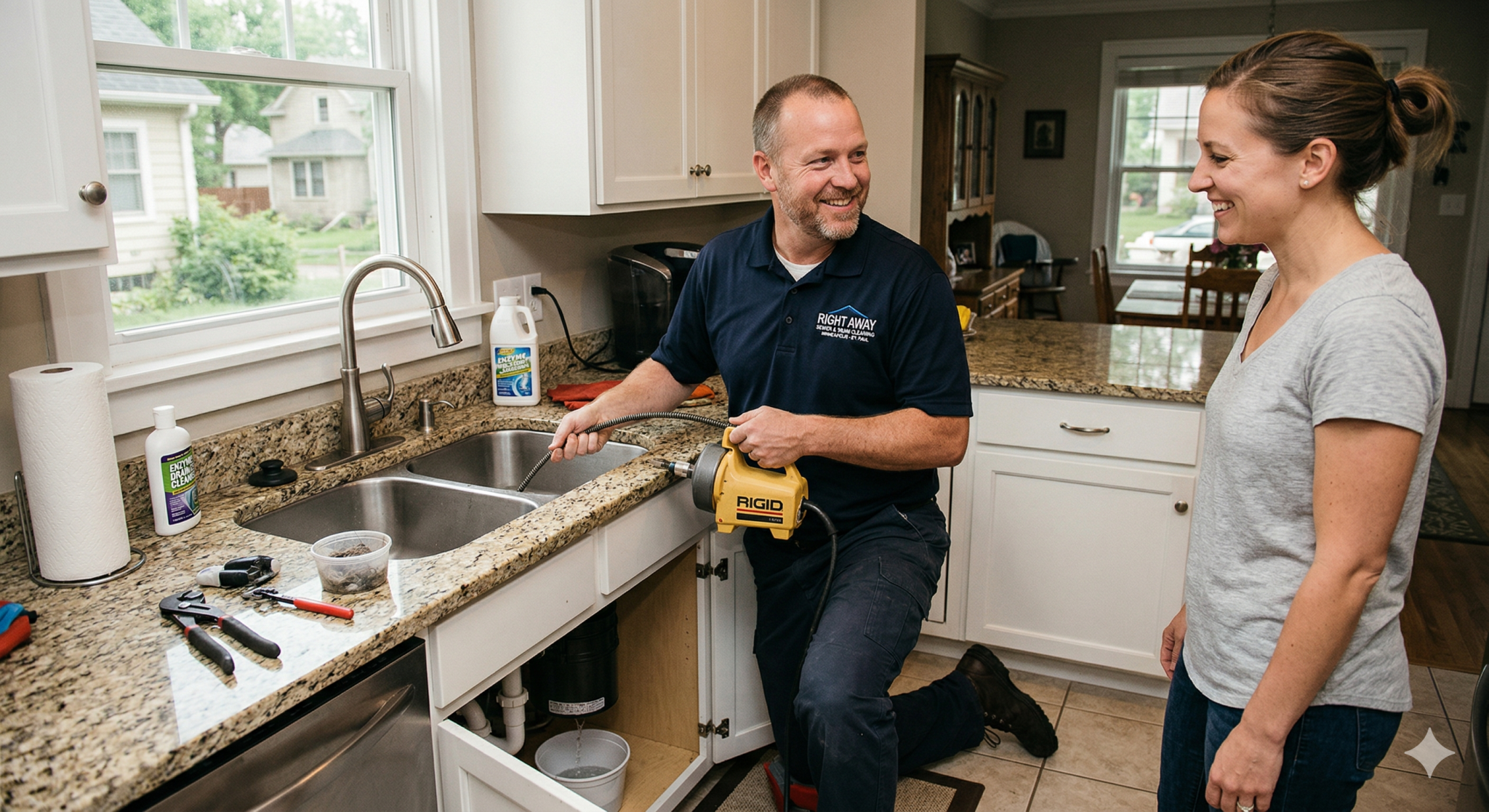
Keep Things Flowing: Common Drain Clog Causes in Minneapolis and How to
Prevent Them
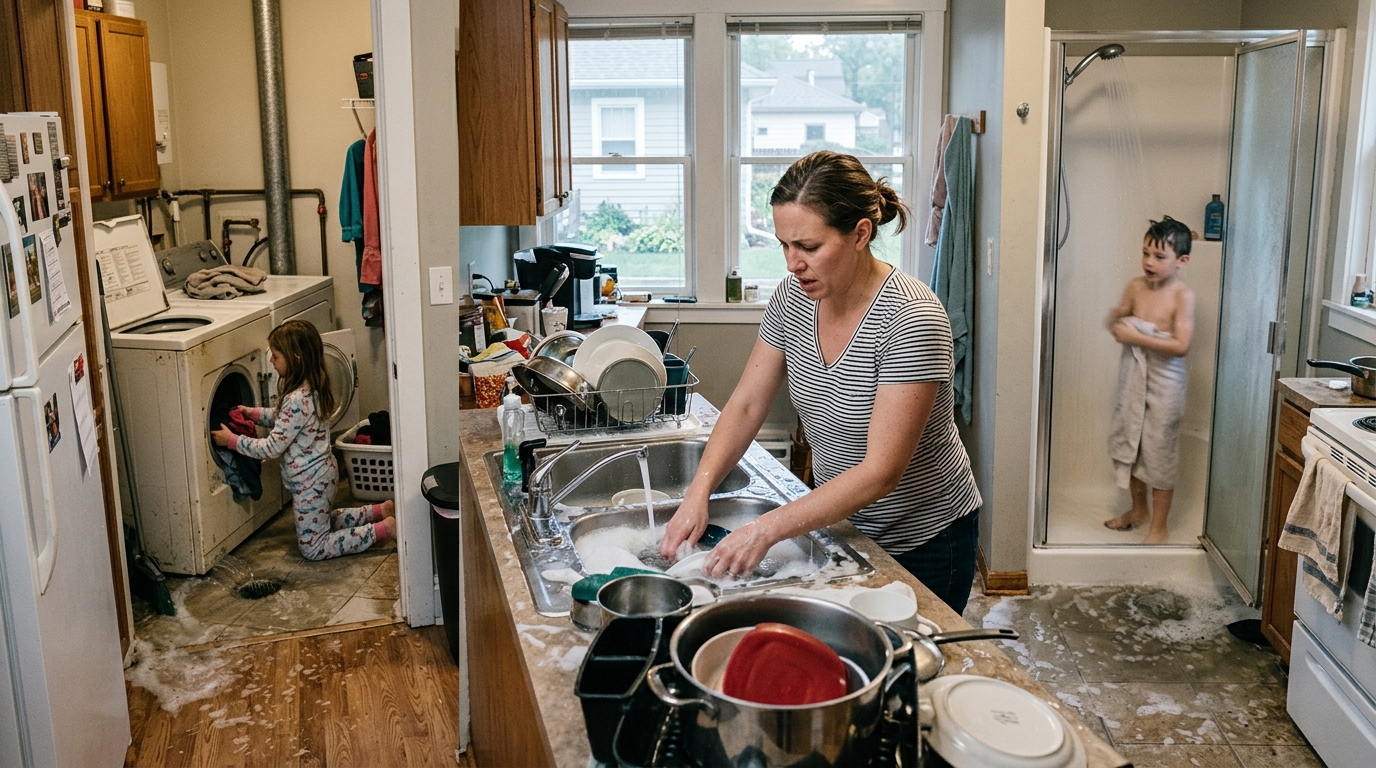
Drains are easy to ignore, that is until they stop working. In the Twin Cities, our beautiful older homes and freezing winters put a lot of unique stress on our plumbing. Whether it’s a kitchen sink that’s taking forever to empty or a full-blown emergency backup, a clogged drain is a major headache you don’t need.
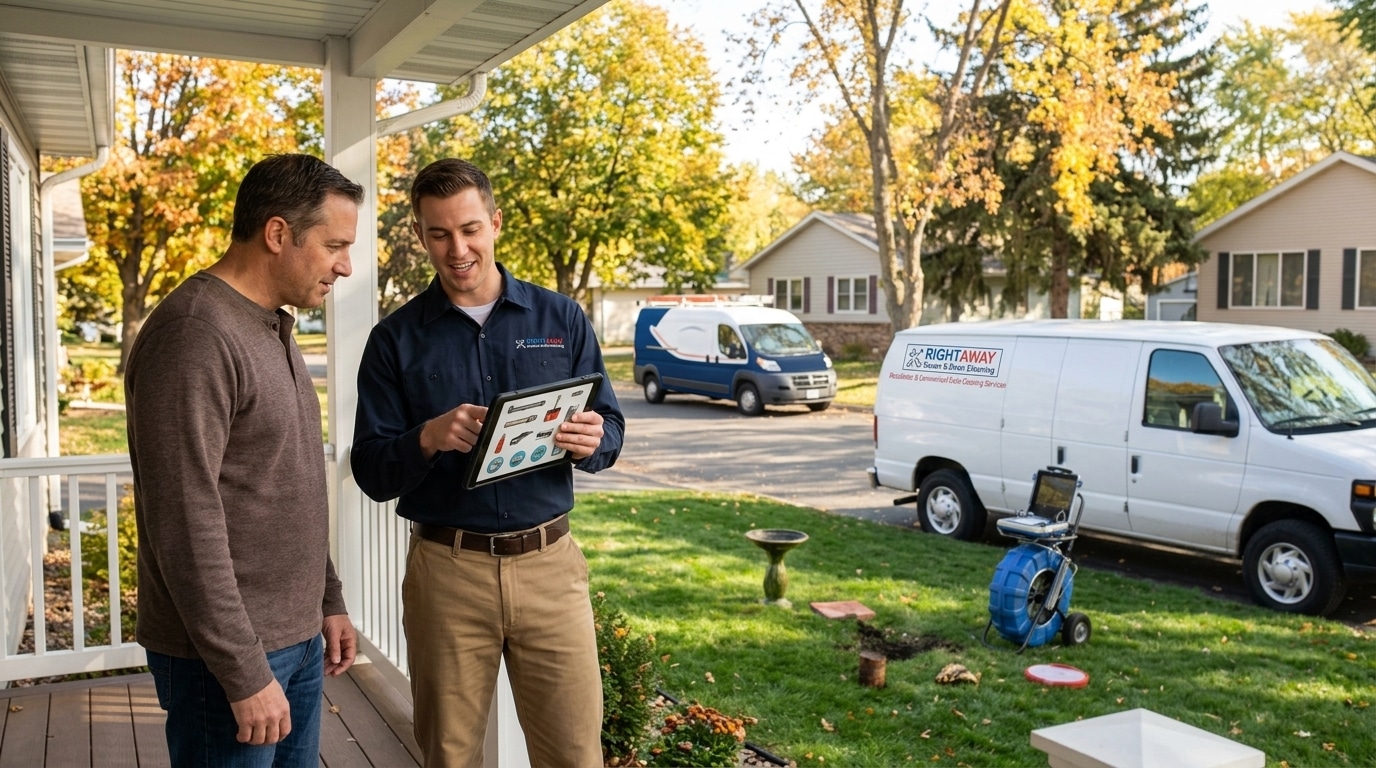
At Right Away Sewer & Drain Cleaning, we believe a little local expertise goes a long way. Understanding what causes these blockages and taking a few proactive steps can save you from costly repairs and the stress of a plumbing disaster.
Why Prevention Matters
Taking care of your drains is about more than just convenience; it’s about protecting your home. Blocked pipes can lead to water damage, mold growth, and even burst pipes during a harsh Minnesota winter.
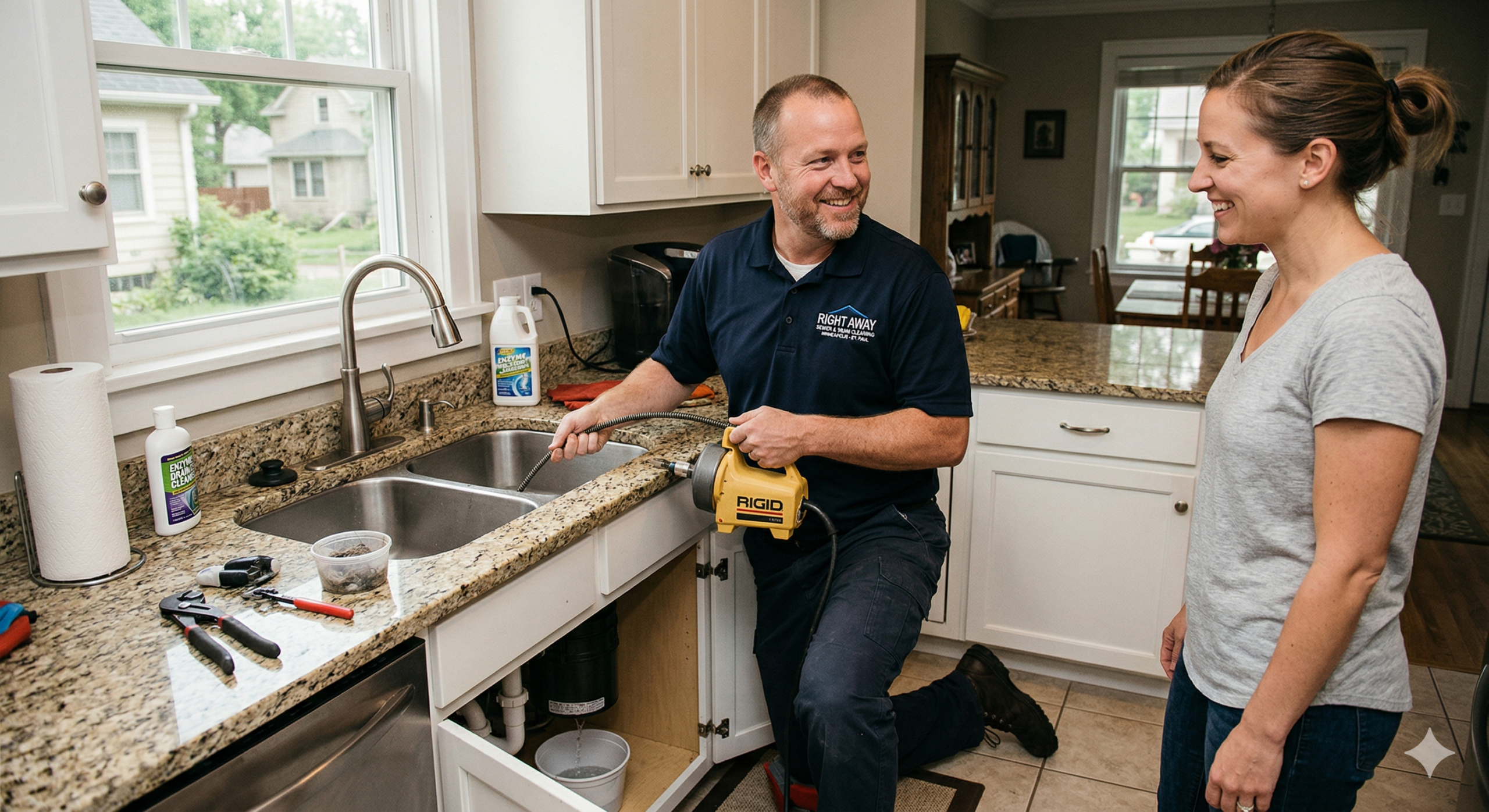
Think of drain maintenance like keeping your car’s oil changed. It’s much faster and more affordable to prevent a problem than to fix a broken engine. If you’re already facing a stubborn backup, our family-owned team is here to help with professional drain cleaning in Minneapolis.
5 Common Culprits Behind Your Clogs
1. Hair
Hair is the most common cause of bathroom clogs. It binds with soap scum to create a thick mat that traps other debris. This isn’t just human hair; our pets’ fur during shedding season can quickly overwhelm a shower drain.
2. Food Scraps
Your garbage disposal isn’t a trash can. Certain foods are notorious for causing blockages:
- Coffee Grounds: They don’t break down and eventually turn into a thick, heavy sludge.
- Pasta & Rice: These expand when wet, creating a sticky mass that acts like a dam.
- Fibrous Veggies: Celery and onion skins can wrap around disposal blades and catch other debris.
3. Grease, Fats, and Oils
This is a big one. While grease might be liquid when it’s hot in the pan, it solidifies as soon as it hits your cold pipes. It acts like glue, catching everything else that passes by. The U.S. Environmental Protection Agency notes that fats and oils are a leading cause of sewer overflows.
4. Soap Scum
In the Twin Cities, we deal with notoriously hard water. When minerals in our water mix with soap and body oils, they form a “scum” that coats the inside of your pipes, gradually narrowing the opening until water can no longer pass through.
5. Mineral Buildup
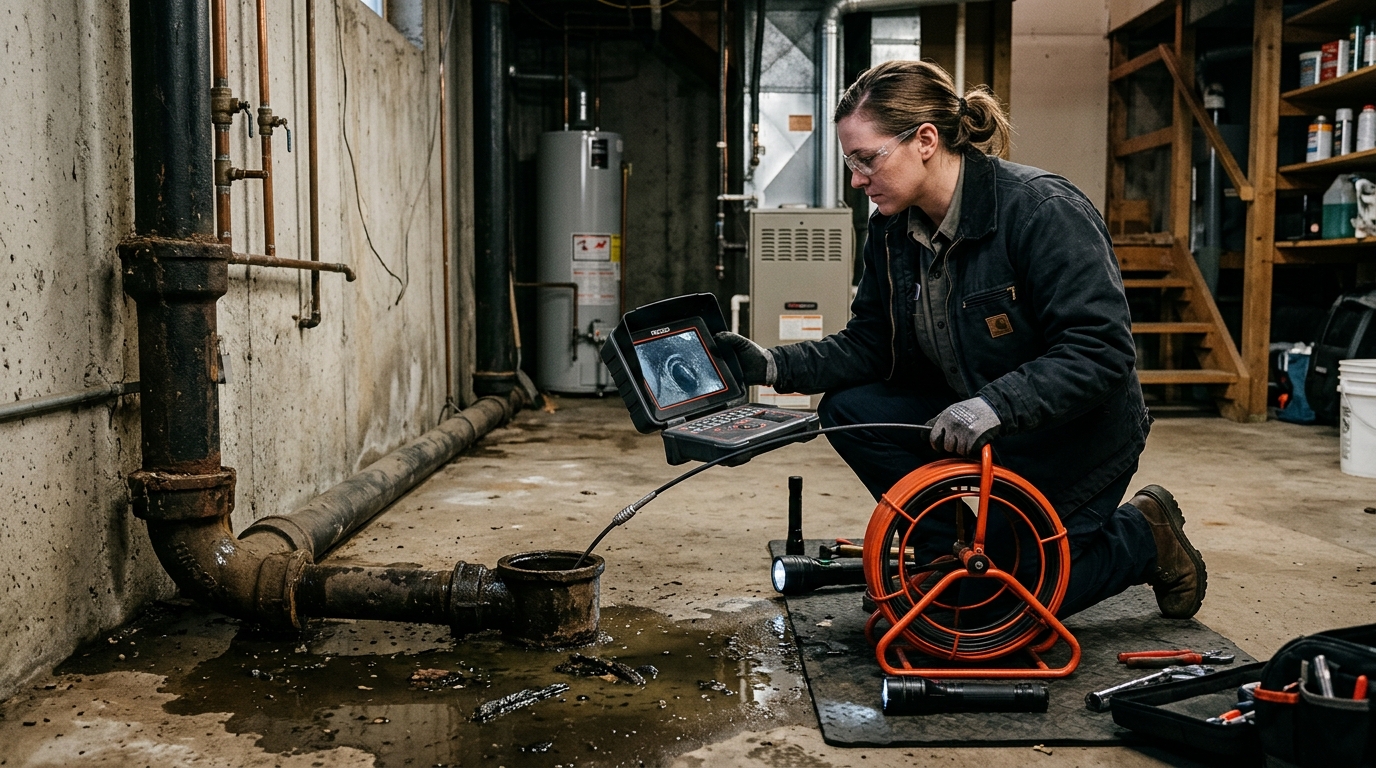
Over time, calcium and magnesium deposits (scale) build up inside your plumbing. This is especially common in older Minneapolis homes with original galvanized steel pipes. The rough interior of these older pipes gives minerals a perfect place to latch on.
Simple Solutions to Keep Your Drains Clear
You don’t need to be a plumber to protect your pipes. Here are some practical, solution-oriented tips:
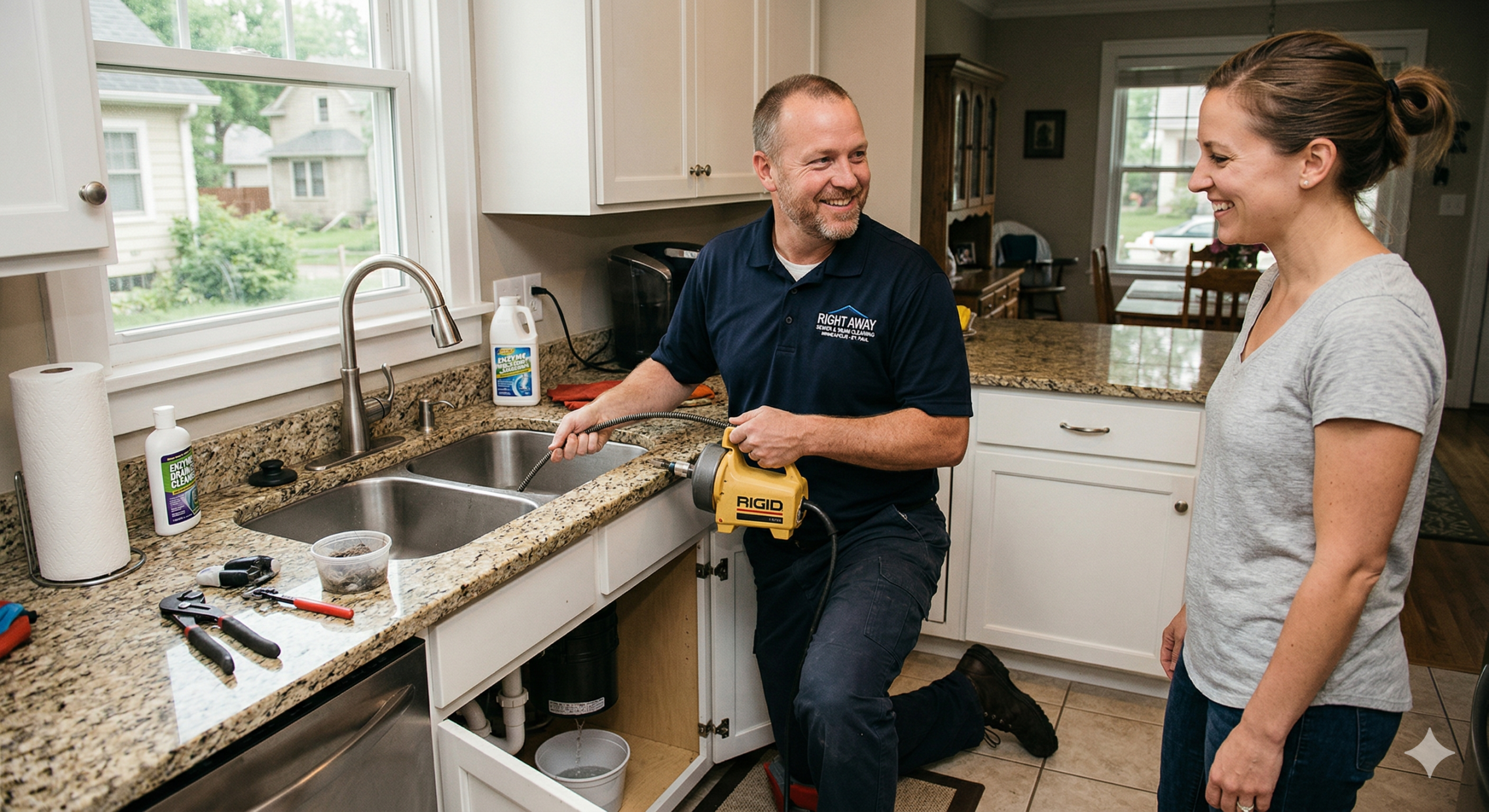
- Install Drain Screens: This is the easiest way to stop hair and large food particles before they enter your system.
- Dispose of Grease Properly: Never pour oil down the sink. Let it cool in a container and toss it in the trash.
- Run Cold Water: When using your disposal, use cold water to keep any trace amounts of grease solid so they can be ground up and flushed through.
- Switch to Liquid Soap: Liquid soaps generally produce less scum than traditional bar soaps.
- Know the Signs: Catching a problem early is key. Check out our guide on common signs of a clogged drain to stay ahead of the curve.
Right Away. Right Solutions.
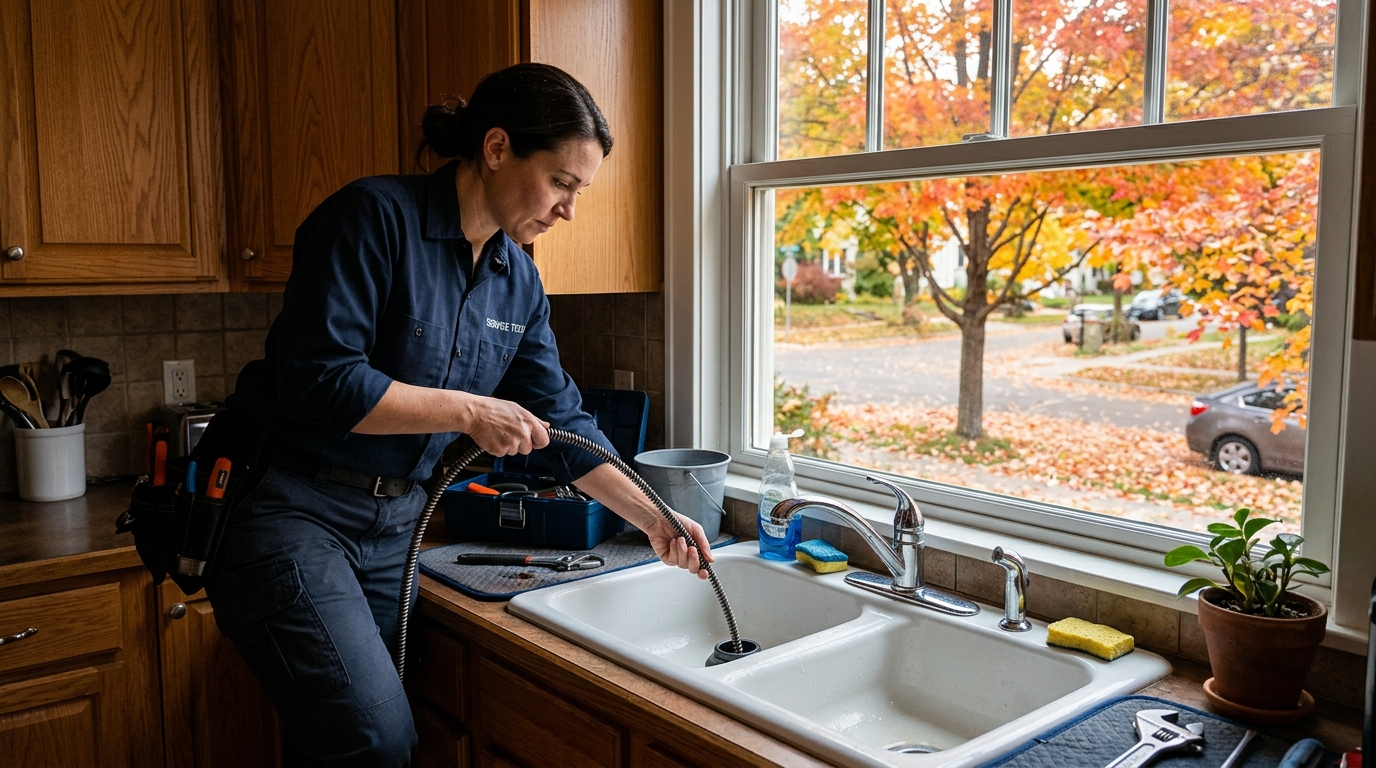
We know that even with the best maintenance, clogs happen. If you’ve tried some DIY drain cleaning and the water still won’t move, don’t risk damaging your pipes with harsh chemicals.
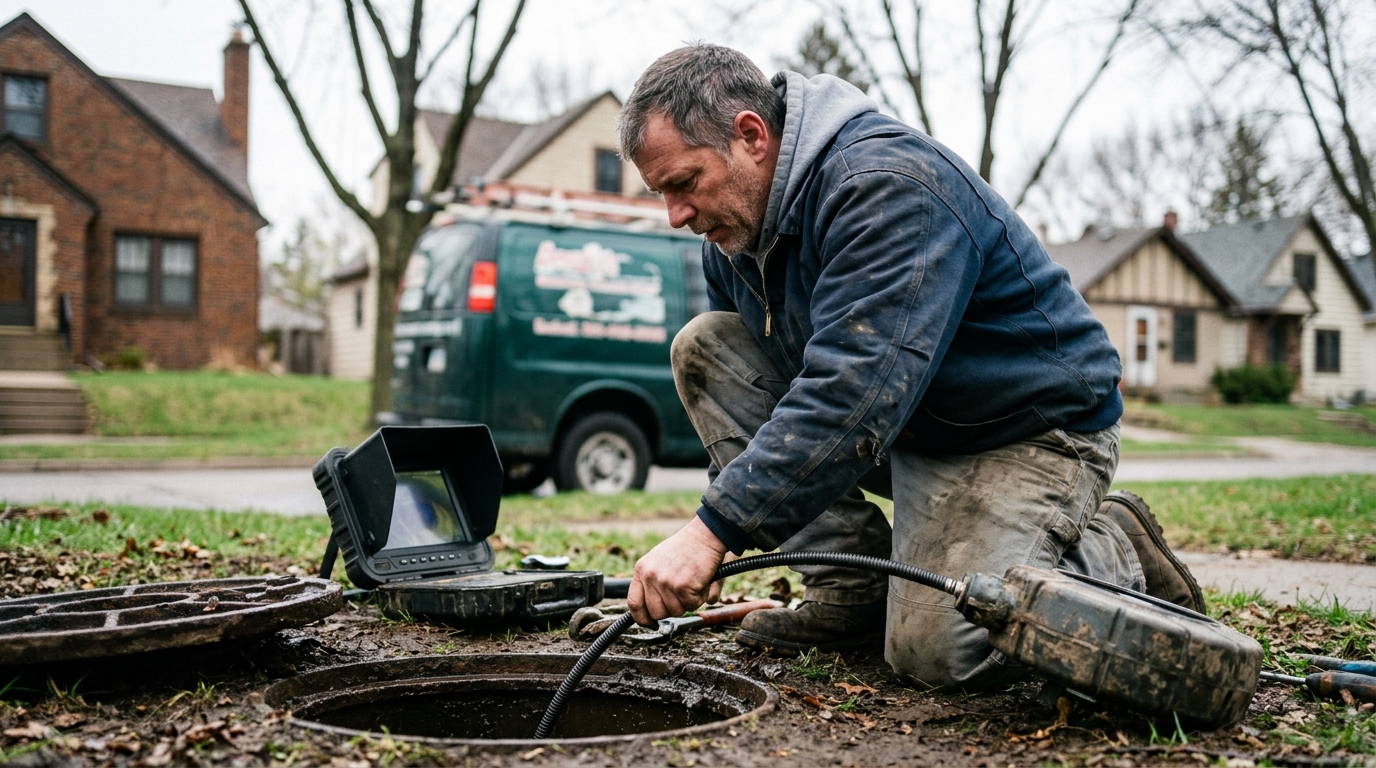
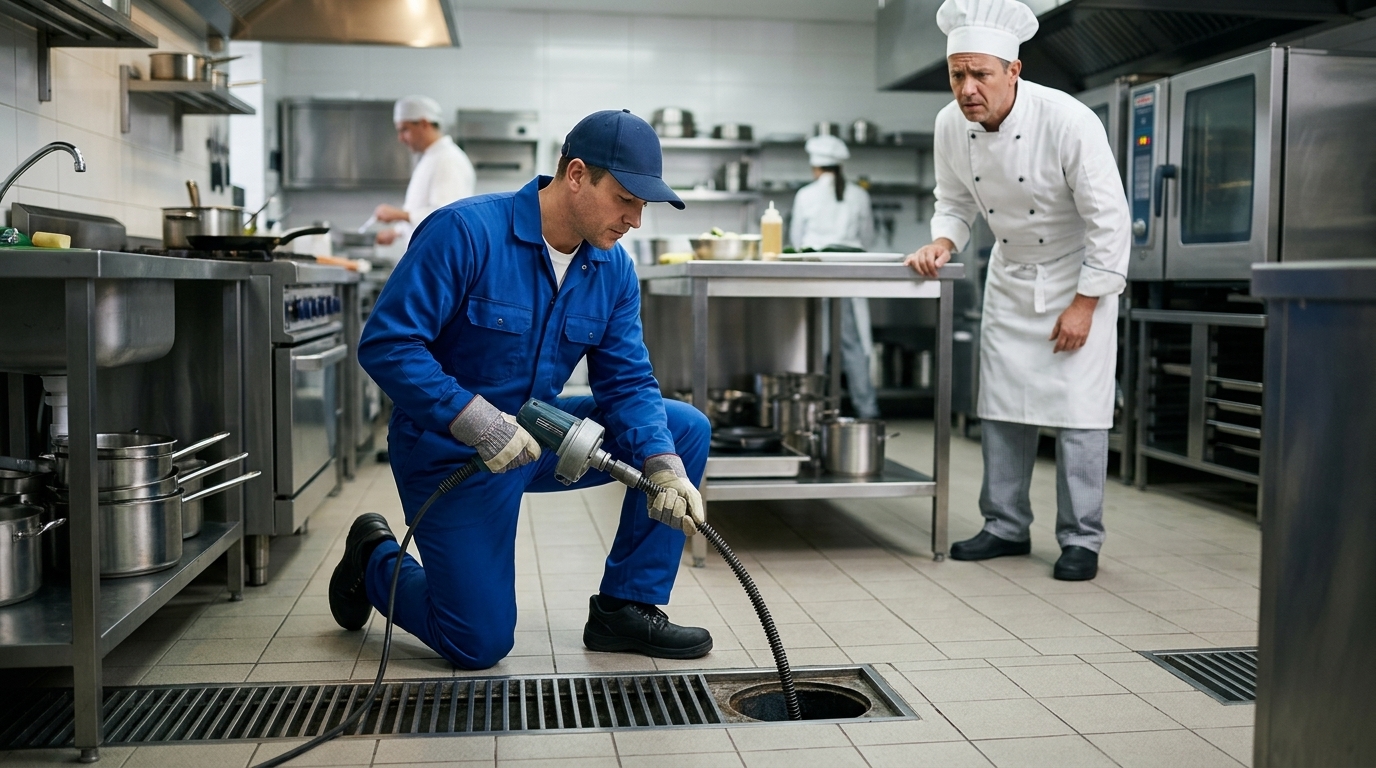
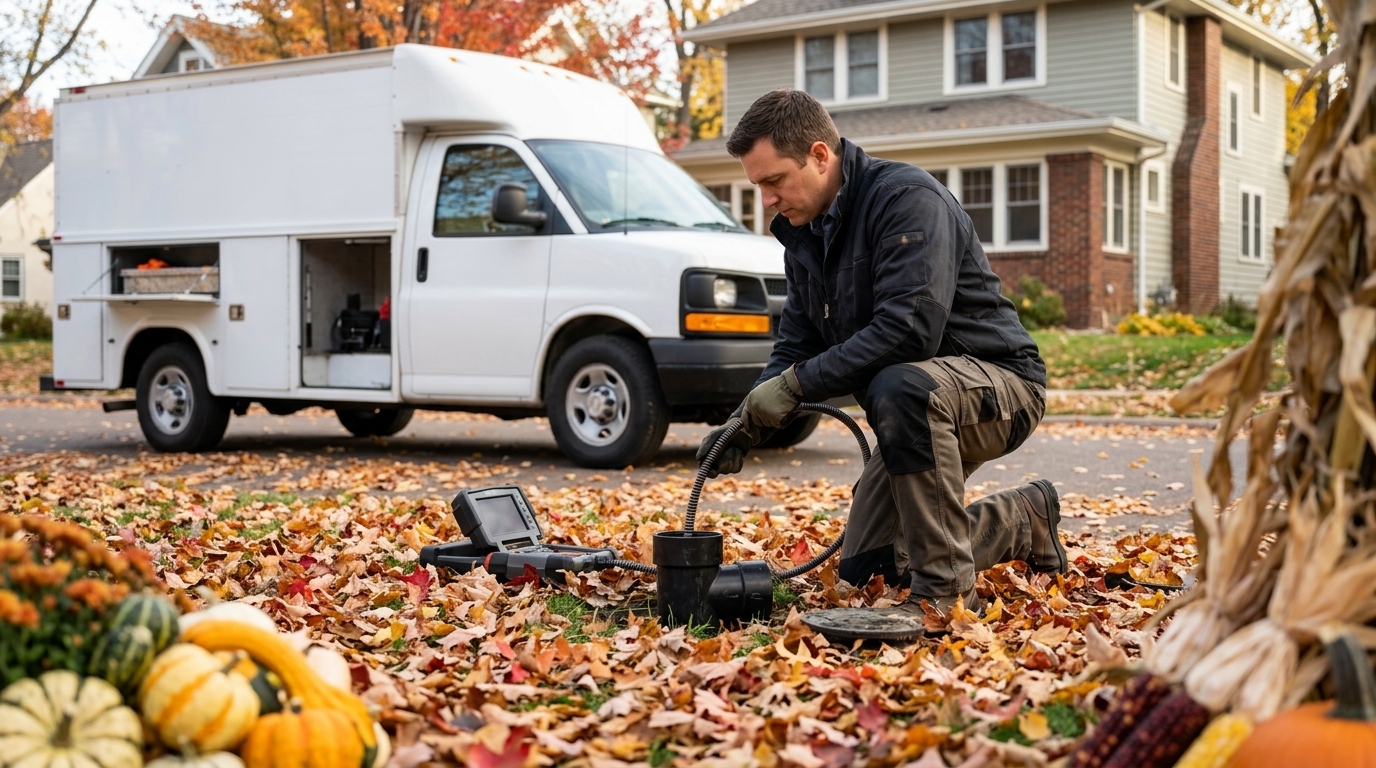
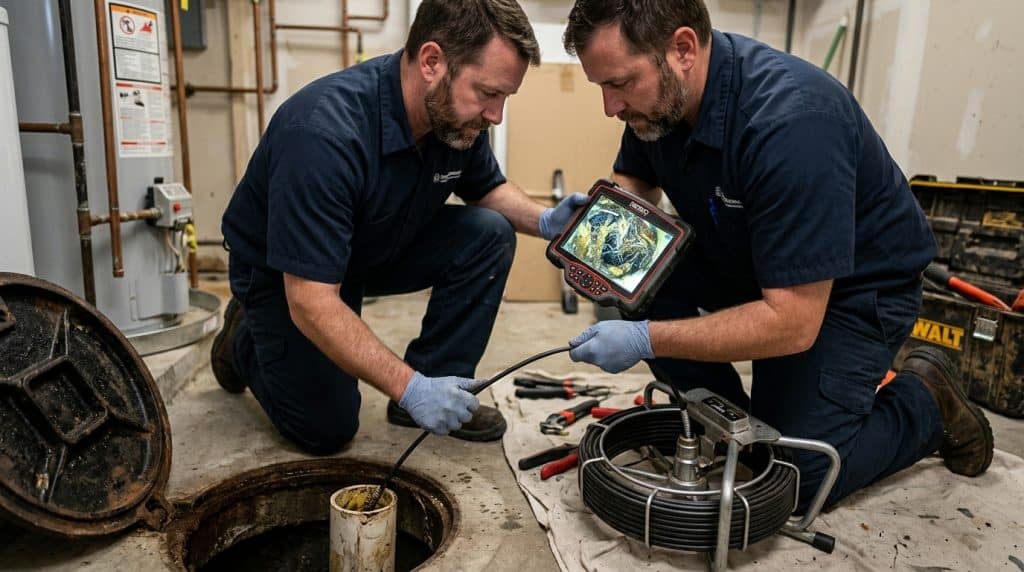
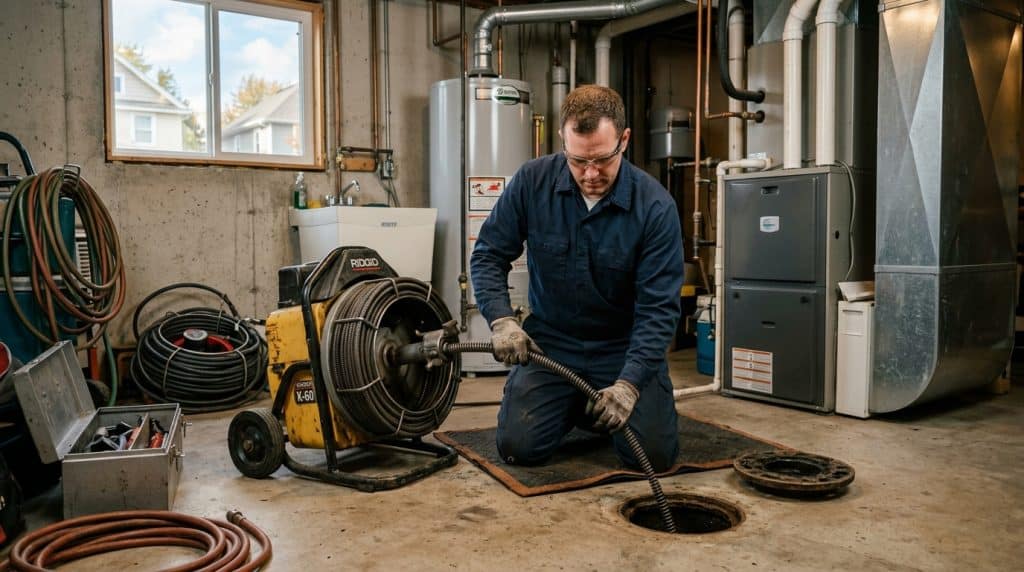
Right Away Sewer & Drain Cleaning is your local, family-owned specialist. We bring the right tools from high-tech camera inspections to powerful hydro jetting to get your home or business flowing smoothly again.
Need a hand? We’re ready when you are. Contact us today to schedule a maintenance visit or request emergency support. Let our family take care of yours!