Maintaining a clean and functional garbage disposal is essential for any homeowner, particularly in Minneapolis, where environmental factors can exacerbate kitchen drain issues. Regular attention prevents unpleasant odors, slow drains, and costly clogs, ensuring your kitchen remains a hygienic space. These garbage disposal cleaning tips will guide you through effective methods to keep your unit running smoothly, especially as holiday cooking increases demands.
Why Your Minneapolis Garbage Disposal Needs Regular Cleaning
Routine maintenance of your garbage disposal is critical for preventing common plumbing issues specific to Minneapolis homes. Food waste like coffee grounds, pasta, and fibrous vegetables easily accumulate, forming sticky residue that traps odors and contributes to blockages within the disposal unit and pipes.
Minneapolis’s hard water quality also plays a significant role. Hard water minerals, combined with food particles and grease, create a resilient scale that adheres to the disposal’s internal components, reducing efficiency and providing a breeding ground for odor-causing bacteria.
Holiday cooking presents a critical time for disposal maintenance, as increased volumes of food scraps, fats, and oils are introduced. Without proper cleaning, these seasonal demands can quickly overwhelm a neglected disposal, leading to inconvenient and expensive clogs.
Natural Methods for a Fresh-Smelling Disposal
Utilizing natural cleaning methods offers a safe and effective approach to routine garbage disposal maintenance, tackling odors and minor grime without harsh chemicals. One effective technique involves using ice and rock salt, which work together to scour the disposal’s interior. As ice cubes are ground, their abrasive action helps dislodge food particles and mineral buildup, while rock salt acts as a natural scouring agent.
Citrus peels, such as from lemons, oranges, or limes, are excellent for odor removal due to their natural oils. Cut peels into small pieces and feed them into the disposal with cold water; the grinding action releases aromatic compounds and scrubs away light residue. This method is primarily for freshening and light cleaning.
For a more thorough natural clean, the baking soda and vinegar method is highly effective. Pour half a cup of baking soda into the disposal, allowing it to sit for 10-15 minutes. Follow with one cup of white vinegar, which will react to create a fizzing action that helps dislodge stubborn particles and sanitize. Let this mixture dwell for another 15-30 minutes before flushing with hot water.
Common mistakes with natural cleaners often reduce their effectiveness. Not using enough cold water with ice and citrus can prevent proper grinding. Flushing the baking soda and vinegar mixture too quickly won’t allow sufficient time for the chemical reaction to work. Patience and adherence to dwell times are crucial for optimal results.
Deep Cleaning Your Garbage Disposal’s Splash Guard & Blades
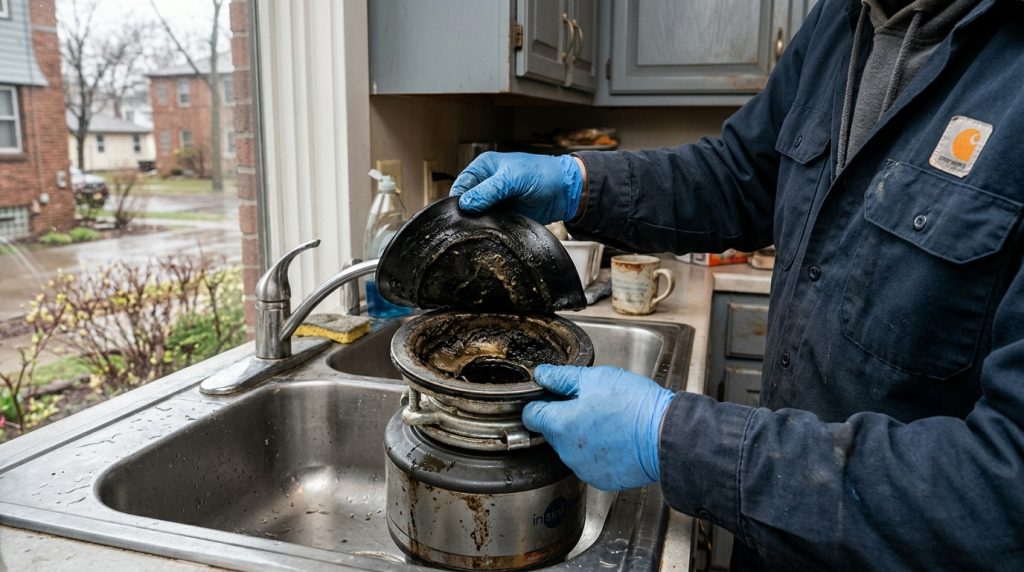
While natural methods address general odors, a deep clean requires direct attention to the splash guard and grinding components. The rubber splash guard is a notorious collection point for food particles, mold, and bacteria. To clean it safely, lift each flap and scrub both sides thoroughly with an old toothbrush or small bottle brush, using dish soap and warm water. For tougher grime, a baking soda paste can be applied and scrubbed.
Addressing grime on the disposal blades and grinding chamber requires mechanical action and cleaning agents. Beyond the ice and salt method, stiff-bristled brushes can be carefully used to scrub visible residue. Ensure the disposal is turned off and unplugged before any manual cleaning to prevent injury.
A specialized disposal brush, often with an angled head, is useful for reaching deep into the grinding chamber and under the splash guard, dislodging caked-on deposits. Signs that a deeper clean is needed include slower draining, visible slime, or decreased grinding efficiency, indicating significant grime accumulation.
Preventative Maintenance: Avoiding Future Clogs in Minneapolis
Effective preventative maintenance is key to avoiding future clogs and extending your garbage disposal’s lifespan, especially in a busy Minneapolis kitchen. Certain foods should never be introduced, as they are primary culprits for blockages. These include fibrous vegetables like celery and corn husks, which tangle, and starchy items such as pasta, rice, and potato peels, which expand. Fats, oils, and grease (FOG) are particularly problematic; they solidify in cold pipes, forming sticky blockages, especially during holiday cooking.
The importance of cold water cannot be overstated. Always run a strong stream of cold water before, during, and for at least 30 seconds after grinding food waste. This cold water solidifies fats or oils, allowing them to be chopped into smaller pieces that flush away, rather than coating blades and pipes.
The continuous flow ensures all ground particles are thoroughly flushed down the drain and into the main sewer line, preventing accumulation. Establishing regular flushing routines is crucial for maintaining optimal drain health. Periodically flushing the disposal with a large volume of cold water, perhaps once a week, helps clear lingering debris and keeps pipes clear.
This practice, combined with mindful disposal habits, significantly reduces the risk of buildup and ensures the entire kitchen drain system remains free-flowing. Proper usage directly impacts overall kitchen drain health by preventing organic matter accumulation that can lead to odors, slow drainage, and severe clogs.
When to Call for Professional Kitchen Drain Cleaning
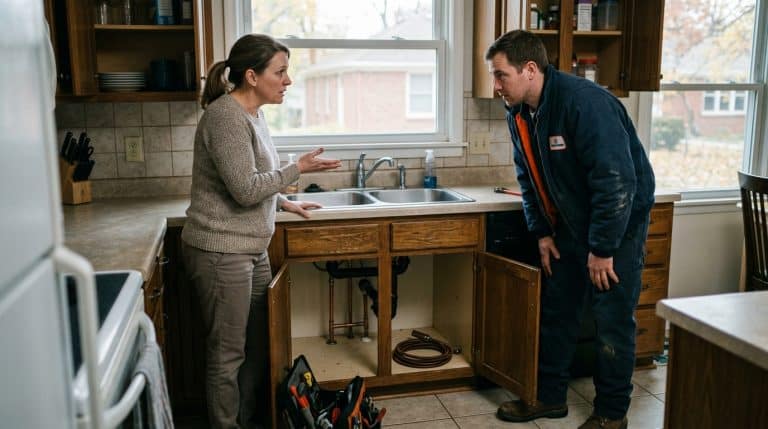
While these garbage disposal cleaning tips address many common issues, red flags indicate a clog is beyond DIY solutions and requires professional intervention. If your disposal hums but doesn’t grind, or water backs up into your sink after cleaning attempts, these indicate a severe blockage or mechanical issue. Persistent odors or slow draining that doesn’t improve often signal a deeper problem within the drain line itself.
Specific problems like tree roots, significant grease buildup, or collapsed pipes are issues only professional drain cleaning can effectively address. These blockages are inaccessible to home remedies and require specialized equipment and expertise. A professional drain camera inspection is particularly beneficial for diagnosing complex kitchen drain issues, allowing technicians to visually identify the exact nature and location of the blockage, whether it’s a disposal-specific problem or a more widespread issue affecting the main kitchen drain or sewer line.
Understanding the difference between a simple disposal clog and a main kitchen drain blockage is crucial. A disposal clog typically affects only the connected sink, while a main kitchen drain blockage can cause water to back up into multiple fixtures, such as other sinks or the dishwasher. At Right Away Sewer Cleaning, we are available 24/7 for plumbing emergencies, with skilled technicians trained to handle various drain problems. Our team offers competitive rates with no hidden fees for drain cleaning services. For persistent odors or slow drains, get a professional diagnosis. Contact us for a drain camera inspection.
Frequently Asked Questions
How often should you clean your garbage disposal?
For optimal performance and to prevent odors, aim for a light cleaning at least once a week using methods like ice and citrus peels. A more thorough deep cleaning, targeting the splash guard and internal components, should be done monthly or whenever you notice persistent odors or slower drainage. Consistent maintenance prevents the buildup of food particles and grime.
What can I put down my garbage disposal to clean it?
Several natural items are effective for cleaning your garbage disposal. Ice cubes, especially with rock salt, help scour the grinding chamber. Citrus peels (lemon, orange, lime) clean and leave a fresh scent. A mixture of baking soda and white vinegar creates a fizzing action that helps break down grease and neutralize odors.
Can I use bleach to clean my garbage disposal?
No, avoid using bleach to clean your garbage disposal. Bleach can corrode rubber seals and gaskets over time, leading to leaks. Mixing bleach with other cleaning agents can also create dangerous fumes. Natural alternatives are safer and just as effective.
Why does my garbage disposal smell even after cleaning?
If your garbage disposal still smells after cleaning, the odor source is likely deeply embedded. This could be due to food particles trapped under the splash guard, caked-on grime on the grinding blades, or organic matter further down the drain line. Hard water mineral deposits can also trap odor-causing bacteria, requiring a more abrasive cleaning method.
What are the most common causes of garbage disposal odors?
The most common causes of garbage disposal odors are accumulated food particles, grease, and biofilm clinging to the grinding chamber, blades, and splash guard. These organic materials decompose, fostering bacteria that release unpleasant smells. Starchy foods, fibrous vegetables, and fats, oils, and grease (FOG) are particularly prone to creating this buildup.
Are there any commercial drain cleaners safe for garbage disposals?
Most harsh chemical drain cleaners are not recommended for garbage disposals, as they can damage components and are often ineffective against solid food clogs. Enzyme-based drain cleaners are generally safer as they break down organic matter without corrosive chemicals. For serious clogs, professional drain cleaning is always the safest and most effective solution.
Maintaining Your Kitchen Drain Health
Proactive maintenance and effective garbage disposal cleaning tips are crucial for preventing common kitchen drain issues, ensuring your plumbing system remains efficient and odor-free. Regular cleaning extends the life of your disposal and safeguards against the inconvenience and expense of unexpected clogs, especially during peak usage times.
While DIY methods are excellent for routine care, recognizing signs of a deeper problem is equally important. When persistent odors, slow drainage, or complete blockages arise, professional intervention becomes necessary to diagnose and resolve issues that home remedies cannot. Our experienced team at Right Away Sewer Cleaning uses specialized tools and expertise to tackle complex drain problems.
Experiencing stubborn kitchen drain clogs in Minneapolis? Right Away Sewer Cleaning offers fast, reliable solutions.