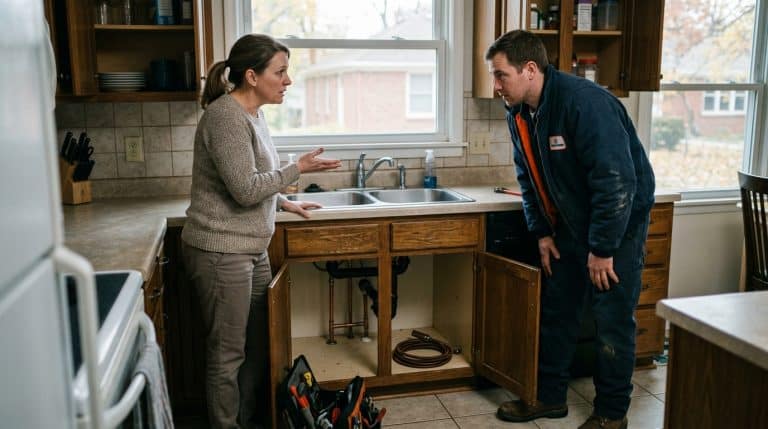
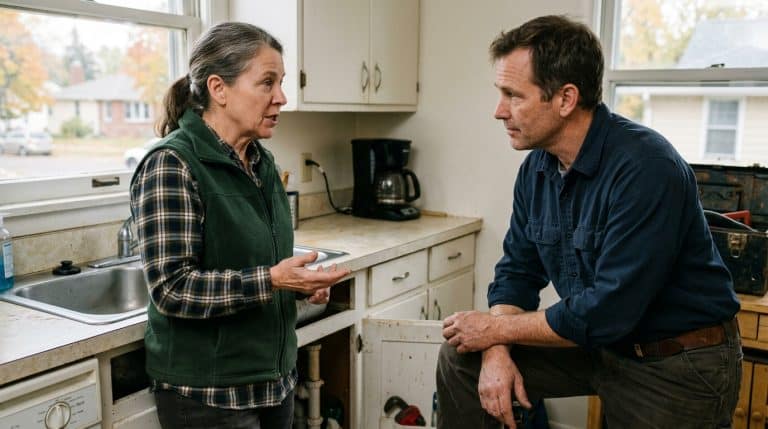
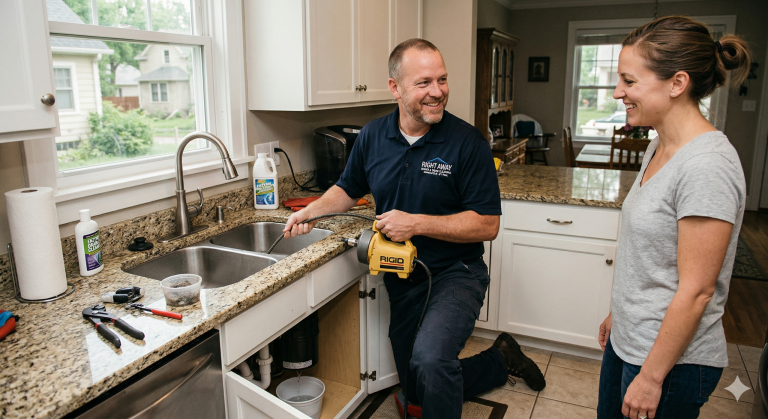
As a local Minneapolis plumber, I’ve seen firsthand how quickly a plumbing problem can turn into a full-blown disaster. Knowing when to call for emergency plumbing service is crucial to protecting your home and your wallet. Plumbing emergencies aren’t just inconvenient; they can cause significant water damage, structural issues, and even health hazards. That’s why a quick response is essential.
When you need an emergency plumber in Minneapolis, Right Away Sewer and Drain Cleaning offers reliable 24/7 services. We respond quickly to urgent plumbing issues like burst pipes, severe leaks, and sewer backups to prevent further damage and restore safety to your home. Our experienced team is ready to tackle any plumbing crisis, day or night.
What exactly constitutes a plumbing emergency? It’s any situation that poses an immediate threat to your property or well-being. Think of it this way: if you can’t wait until regular business hours without risking serious damage, it’s an emergency. We’re talking about situations that require immediate attention to prevent further harm. In these cases, calling a 24/7 plumbing service is the right move.
Common Plumbing Emergencies
Not every leaky faucet qualifies, but here are some common scenarios that demand immediate action:
Burst Pipes
A burst pipe is arguably the most urgent plumbing emergency. Water gushing out under pressure can quickly flood your home, damaging walls, floors, and belongings. The speed at which a burst pipe can cause damage is astounding. Don’t hesitate – shut off the main water supply and call for emergency help immediately. The longer you wait, the more extensive and costly the repairs will be.
Burst pipes often happen because of freezing temperatures. Minneapolis winters are notorious for this. When water freezes, it expands, putting immense pressure on your pipes. If you suspect a frozen pipe, don’t try to thaw it yourself with a torch or open flame. This can cause the pipe to burst or even start a fire. Call a professional who has the expertise and equipment to safely thaw the pipe and prevent further damage. Right Away Sewer and Drain Cleaning is familiar with the unique challenges of Minneapolis plumbing.
Severe Leaks
While a slow drip might seem harmless, a severe leak can quickly escalate into a major problem. We’re talking about leaks that are rapidly soaking walls, ceilings, or floors. These leaks can indicate a serious problem with your plumbing system, such as a corroded pipe or a failed fitting. Ignoring a severe leak can lead to mold growth, structural damage, and costly repairs.
It’s not just the visible water damage that’s concerning; hidden leaks can be even more destructive. Water seeping behind walls or under floors can create a breeding ground for mold and mildew, which can pose serious health risks. If you notice signs of a hidden leak, such as a musty odor or unexplained water stains, call a plumber immediately to investigate and repair the problem. Finding a reliable plumber can be tough, but reading online reviews can help you find the right 24/7 plumbing service for you.
Overflowing Toilets
An overflowing toilet is not only disgusting but also a potential health hazard. Sewage contains harmful bacteria and viruses that can contaminate your home and make you sick. If you can’t quickly resolve the clog with a plunger, it’s time to call for emergency help. Continuing to flush an overflowing toilet will only make the problem worse, potentially causing sewage to back up into other drains in your home. Learn more about our drain cleaning services.
Beyond the immediate mess, an overflowing toilet can also indicate a more serious problem with your sewer line. A blockage in the main sewer line can cause toilets, sinks, and showers to drain slowly or not at all. If you suspect a sewer line issue, it’s important to call a plumber right away to diagnose and repair the problem. Sewer line repairs can be complex and require specialized equipment, so it’s best left to the professionals.
Sewer Backups
Sewer backups are among the worst plumbing emergencies. Raw sewage backing up into your home is a major health hazard and can cause extensive damage. This is often caused by tree roots infiltrating the sewer line or a major blockage in the system. If you notice sewage backing up into your drains, call for emergency help immediately. Do not attempt to clean up the sewage yourself, as this can expose you to harmful bacteria and viruses.
Sewer backups can also be caused by issues with the city’s sewer system. If you suspect a problem with the city sewer line, contact your local municipality in addition to calling a plumber. They may be able to identify and resolve the issue more quickly. Remember, prompt action is crucial to minimizing the damage and health risks associated with sewer backups. Right Away Sewer and Drain Cleaning is here to help when you need us most.
No Hot Water
While not as immediately destructive as a burst pipe, a complete lack of hot water, especially during a Minneapolis winter, can be considered an emergency. It could indicate a major issue with your water heater, such as a gas leak or a tank rupture. A gas leak is a serious safety hazard and requires immediate attention. If you smell gas near your water heater, evacuate your home and call the gas company and a plumber right away.
Even if there’s no gas leak, a water heater malfunction can still cause significant problems. A ruptured water heater tank can flood your basement or utility room, causing water damage and potentially damaging electrical systems. If you notice water leaking from your water heater, shut off the water supply to the unit and call a plumber for emergency repair. Regular water heater maintenance can help prevent these types of emergencies.
Assessing the Situation
Before you call for help, take a moment to assess the situation. This will help you provide the plumber with accurate information and potentially minimize damage.
Safety First
Your safety is the top priority. If there’s a risk of electric shock, such as from standing water near electrical outlets, evacuate the area immediately. If you smell gas, evacuate and call the gas company from a safe location. Do not attempt to address the plumbing problem yourself if it poses a safety risk.
Also, be aware of slip and fall hazards. Water on the floor can be extremely slippery, so take precautions to avoid accidents. Wear appropriate footwear and use caution when walking around the affected area. If possible, try to contain the water to prevent it from spreading to other areas of your home.
Shutting Off Water
If possible, locate and shut off the main water supply to your home. This will stop the flow of water and prevent further damage. The main water shut-off valve is typically located in the basement, near the water meter. Make sure everyone in your household knows where the shut-off valve is and how to use it.
If you can’t find the main shut-off valve or are unable to turn it off, try to shut off the water supply to the affected fixture. For example, if a toilet is overflowing, there should be a shut-off valve located behind the toilet. Turning off the water supply to the fixture can help to minimize the damage until a plumber arrives.
Minimizing Damage
While waiting for the plumber to arrive, take steps to minimize the damage. Remove valuable items from the affected area, and try to contain the water with towels, buckets, or plastic sheeting. If possible, open windows and doors to ventilate the area and help it dry out. The faster you can dry out the affected area, the less likely you are to experience mold growth.
Document the damage with photos and videos. This will be helpful when filing an insurance claim. Be sure to keep receipts for any emergency repairs or cleanup services. The more documentation you have, the easier it will be to get reimbursed for your losses.
Why Choose Emergency Plumbing Services
When you’re facing a plumbing emergency, you need a reliable and responsive plumbing service you can trust.
24/7 Availability
Plumbing emergencies don’t always happen during business hours. That’s why it’s important to choose a plumbing service that offers 24/7 availability. A 24/7 plumbing service is available to take your call and dispatch a plumber to your home at any time of day or night. This can be a lifesaver when you’re dealing with a burst pipe or a sewer backup.
Make sure the 24/7 plumbing service you choose has a live person answering the phone, not just an answering machine. You want to be able to speak to someone who can assess your situation and dispatch a plumber immediately. A quick response can make all the difference in minimizing the damage and getting your plumbing problem resolved quickly.
Quick Response Time
In a plumbing emergency, every minute counts. A quick response time can prevent further damage and minimize the disruption to your life. Look for a plumbing service that guarantees a fast response time, typically within an hour or two. Ask about their average response time and what factors might affect it, such as traffic or weather conditions.
A local plumbing service is more likely to have a faster response time than a national chain. Local plumbers are familiar with the area and can navigate traffic more efficiently. They also have a vested interest in serving their community and providing prompt, reliable service.
Expertise and Equipment
Emergency plumbing repairs often require specialized expertise and equipment. Make sure the plumbing service you choose has experienced plumbers who are trained to handle a wide range of plumbing emergencies. They should also have the necessary equipment to diagnose and repair the problem quickly and efficiently. This includes things like pipe thawing equipment, sewer cameras, and high-pressure jetters.
Don’t be afraid to ask about the plumber’s qualifications and experience. A reputable plumbing service will be happy to provide you with information about their plumbers’ training and certifications. They should also be able to explain the repair process clearly and answer any questions you have.
Contacting Emergency Services
Knowing when and how to contact emergency plumbing services is essential.
When to Call
As a reminder, call for emergency plumbing service when you’re facing a situation that poses an immediate threat to your property or well-being. This includes burst pipes, severe leaks, overflowing toilets, sewer backups, and a complete lack of hot water (especially during winter). If you’re unsure whether your situation qualifies as an emergency, it’s always best to err on the side of caution and call a plumber.
Don’t wait until the problem gets worse. The sooner you call for help, the less damage you’re likely to experience. Remember, a quick response can save you time, money, and a lot of stress.
What to Expect
When you call for emergency plumbing service, be prepared to provide the dispatcher with detailed information about your situation. Explain the problem as clearly as possible, and answer any questions they ask. This will help them assess the situation and dispatch the appropriate plumber with the right equipment.
Be prepared to pay a premium for emergency plumbing service. Emergency repairs typically cost more than regular repairs due to the after-hours service and the urgency of the situation. However, the cost of emergency repairs is often less than the cost of the damage that could result from waiting. Ask about the plumber’s rates upfront, and be sure to get a written estimate before any work is performed.
Customer Testimonials
Don’t just take our word for it. Here’s what our Minneapolis customers say about our emergency plumbing services:
- “Our pipe burst late on a Saturday night, and Right Away Sewer and Drain Cleaning was there within an hour. Professional, fast, and saved our basement from major damage!” – Sarah L., Minneapolis
- “Had a terrible sewer backup. The team was incredibly responsive and fixed the issue quickly, explaining everything along the way. Highly recommend their 24/7 service!” – Mark T., Minneapolis
- “No hot water in January is a nightmare! Called them, and they had a technician out to diagnose and repair our water heater that same day. Excellent service!” – Emily R., Minneapolis
Protecting Your Minneapolis Property from Plumbing Disasters
Plumbing emergencies can be stressful and disruptive, but knowing when to call for help can make all the difference. Remember to prioritize safety, assess the situation, and shut off the water supply if possible. Choose a reliable 24/7 plumbing service with a quick response time and experienced plumbers. By taking these steps, you can protect your Minneapolis property from the devastating effects of plumbing disasters. Contact us today for 24/7 emergency plumbing services. We’re here to help when you need us most.
Frequently Asked Questions
What constitutes a plumbing emergency?
A plumbing emergency is any situation that poses an immediate threat to your property or well-being. This includes burst pipes, severe leaks causing rapid water damage, overflowing toilets that won’t stop, sewer backups, and a complete lack of hot water, especially in cold weather. If waiting until regular business hours risks significant damage, it’s an emergency.
How quickly can an emergency plumber arrive in Minneapolis?
At Right Away Sewer and Drain Cleaning, we prioritize rapid response for emergency calls. Our goal is to have a skilled plumber dispatched to your Minneapolis location as quickly as possible, often within an hour or two, depending on traffic and weather conditions. We understand that every minute counts in a plumbing emergency.
Should I try to fix an emergency plumbing issue myself?
For most plumbing emergencies, it’s best to call a professional. While you can take immediate steps like shutting off the main water supply or containing water, attempting complex repairs yourself can worsen the problem, cause further damage, or even pose safety risks, especially with gas lines or electrical systems near water.
What should I do while waiting for an emergency plumber?
While waiting, prioritize safety. If there’s a risk of electric shock or gas leak, evacuate. Shut off the main water supply to your home if possible. Try to contain any water with towels or buckets, and remove valuable items from the affected area. Document the damage with photos or videos for insurance purposes.
Are emergency plumbing services more expensive?
Yes, emergency plumbing services typically cost more than standard repairs due to the immediate, after-hours, weekend, or holiday response required. However, the cost of emergency service is often significantly less than the potential damage and subsequent repairs that could result from delaying professional help.