
Imagine walking into your commercial property only to find the floor covered in water due to a clogged drain. Unfortunately, this scenario is all too common for many property managers who overlook the crucial task of floor drain maintenance.
Floor drains are often out of sight and, consequently, out of mind, leading to various problems that can disrupt business operations and cause significant headaches. As a facility manager, ensuring the seamless operation of every component within your building is paramount.
Floor drains are no exception; they are the unsung heroes of property functionality and safety, silently channeling away unwanted water and potential hazards.
The necessity of regular floor drain maintenance in commercial buildings cannot be understated. A well-maintained drainage system not only ensures operational efficiency but also helps in staying compliant with various building regulations.
With a proactive approach to floor drain maintenance, commercial property managers can avoid unexpected disruptions and maintain a safe and healthy environment for tenants and visitors alike.
Importance of Floor Drain Maintenance in Commercial Buildings
Regular floor drain maintenance is vital in preventing blockages and flooding, which can severely impact business operations. When a drain clogs, it can cause water to back up, leading to water damage, operational downtime, and potentially costly repairs.
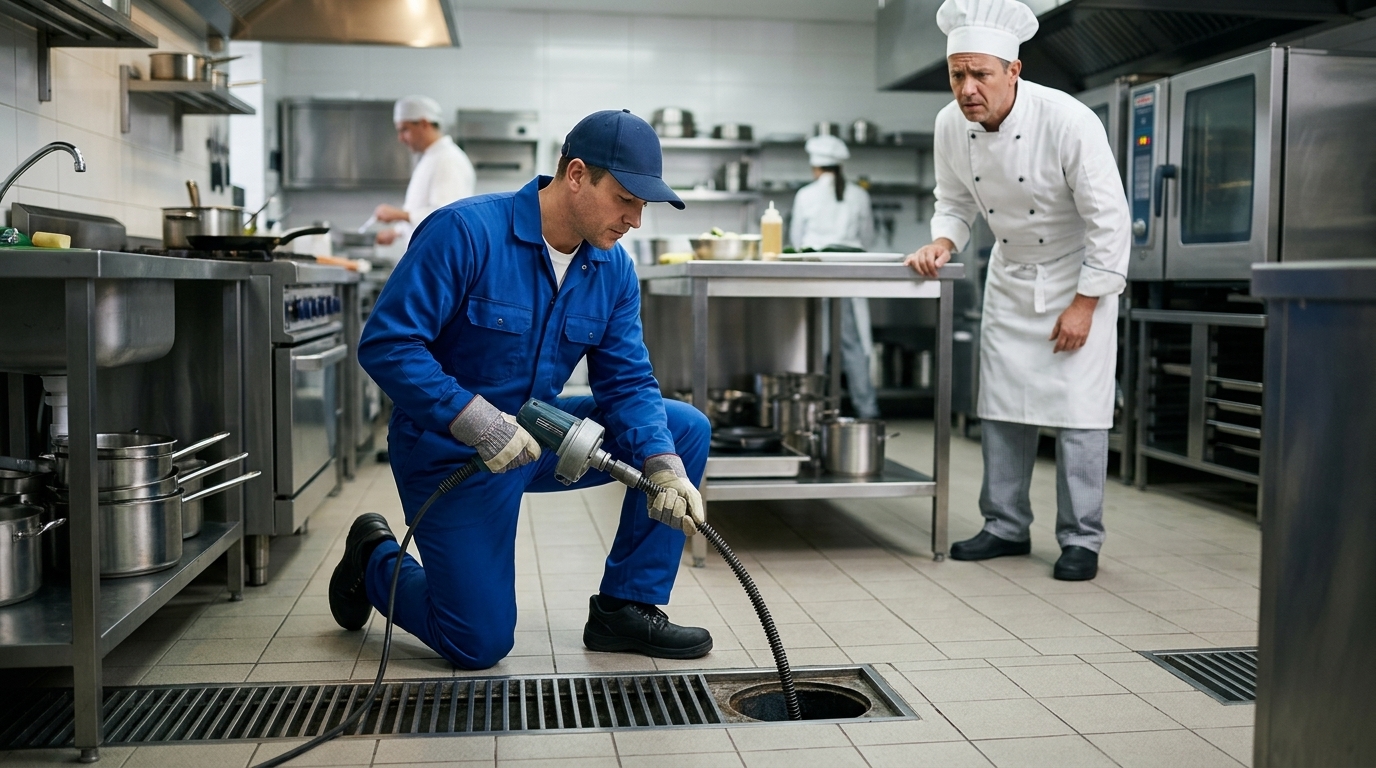
In commercial kitchens or areas with high water usage, a clogged drain can be particularly problematic, interrupting service and posing health risks.
In addition to operational disruptions, neglecting floor drain maintenance can result in health and safety hazards. Standing water can become a breeding ground for mold and bacteria, leading to foul odors and health issues for employees and visitors.
Moreover, sewer gases can escape from drains that are not properly maintained, creating an unpleasant and potentially dangerous environment. Maintaining floor drains is also crucial for compliance with building codes and regulations, ensuring that your property meets sanitation and safety standards.
By investing in regular floor drain maintenance, property managers can extend the longevity of their building’s infrastructure. Routine care prevents wear and tear on the drainage system, reducing the likelihood of major repairs and preserving the value of the property. It’s a strategic move that pays off in the long run, safeguarding the building’s structural integrity.
Tips for Effective Floor Drain Maintenance
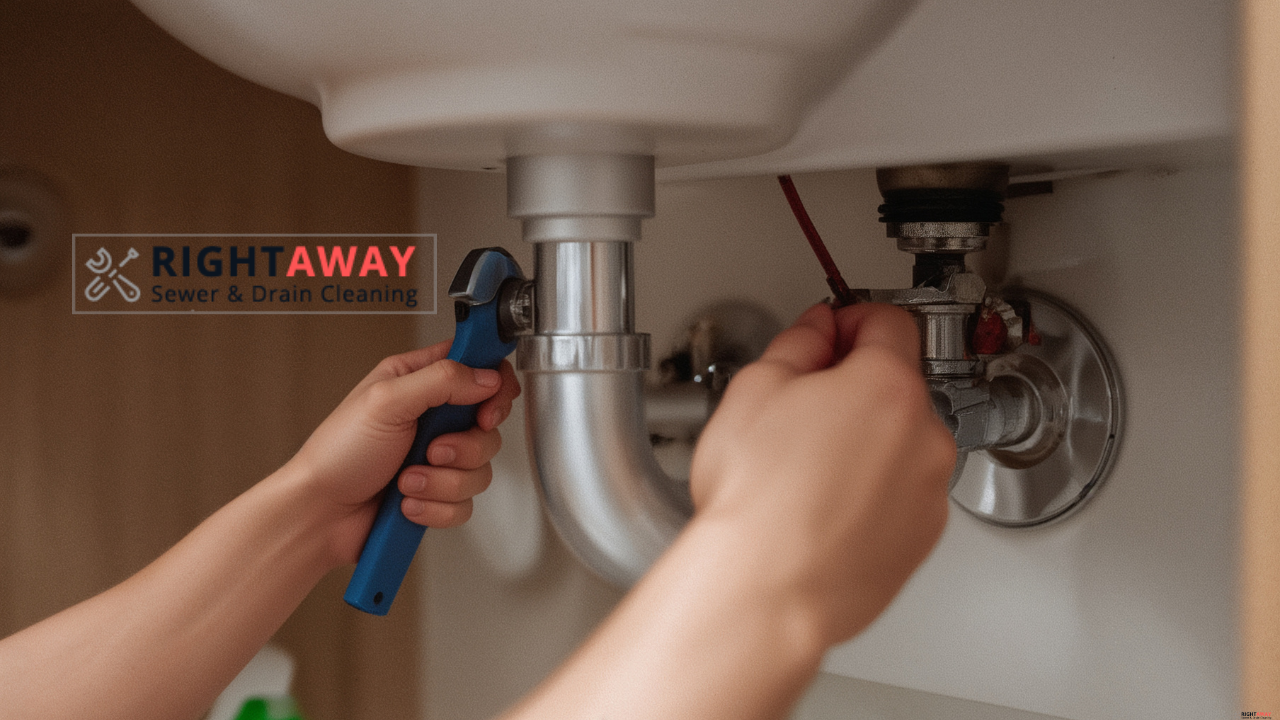
To effectively manage floor drain maintenance, establishing a routine maintenance schedule is essential. This schedule should be tailored to the specific needs of your building, taking into account factors such as the volume of water usage and the types of materials commonly disposed of. Regular inspections and cleaning can prevent clogging and ensure that the drains function optimally.
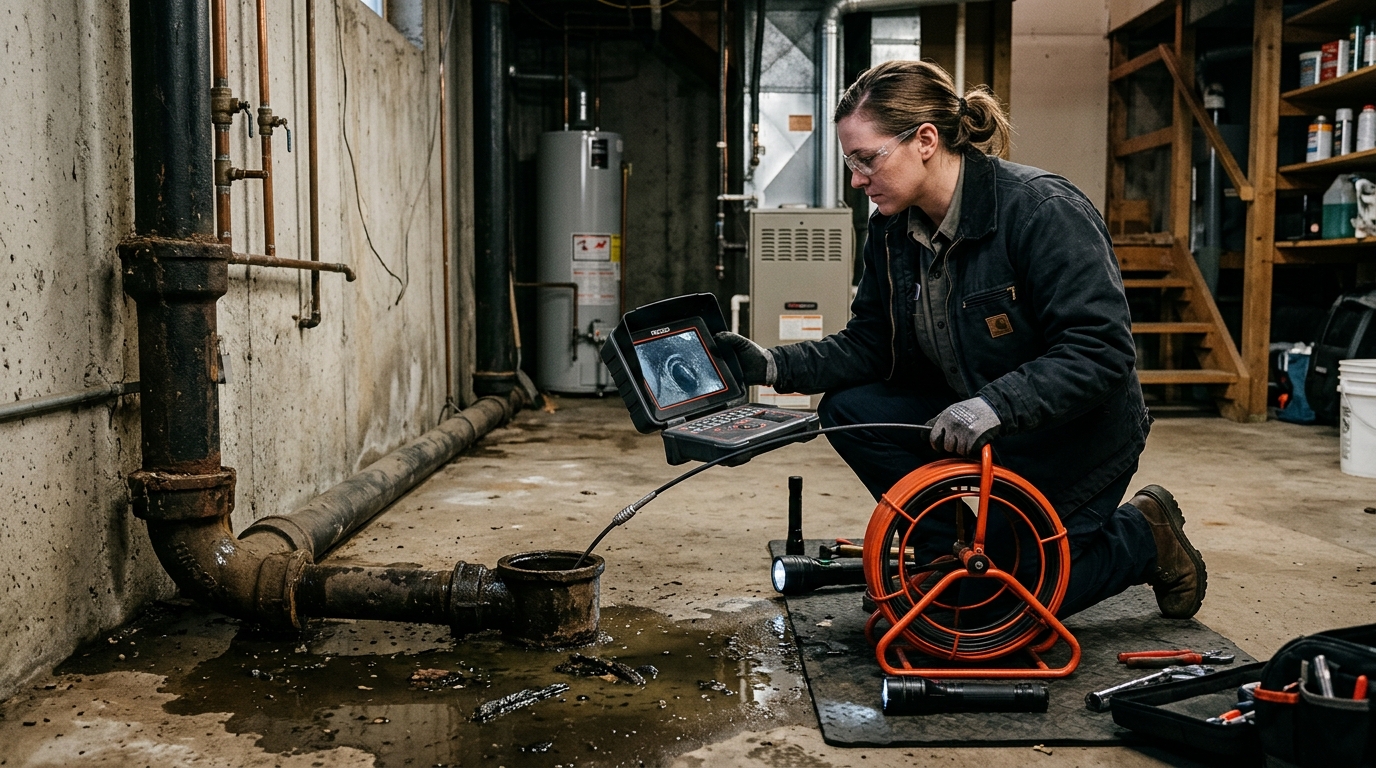
Implementing best practices for cleaning and inspecting floor drains is another key to success. This includes routine checks for debris buildup and using appropriate cleaning solutions to maintain cleanliness and functionality.
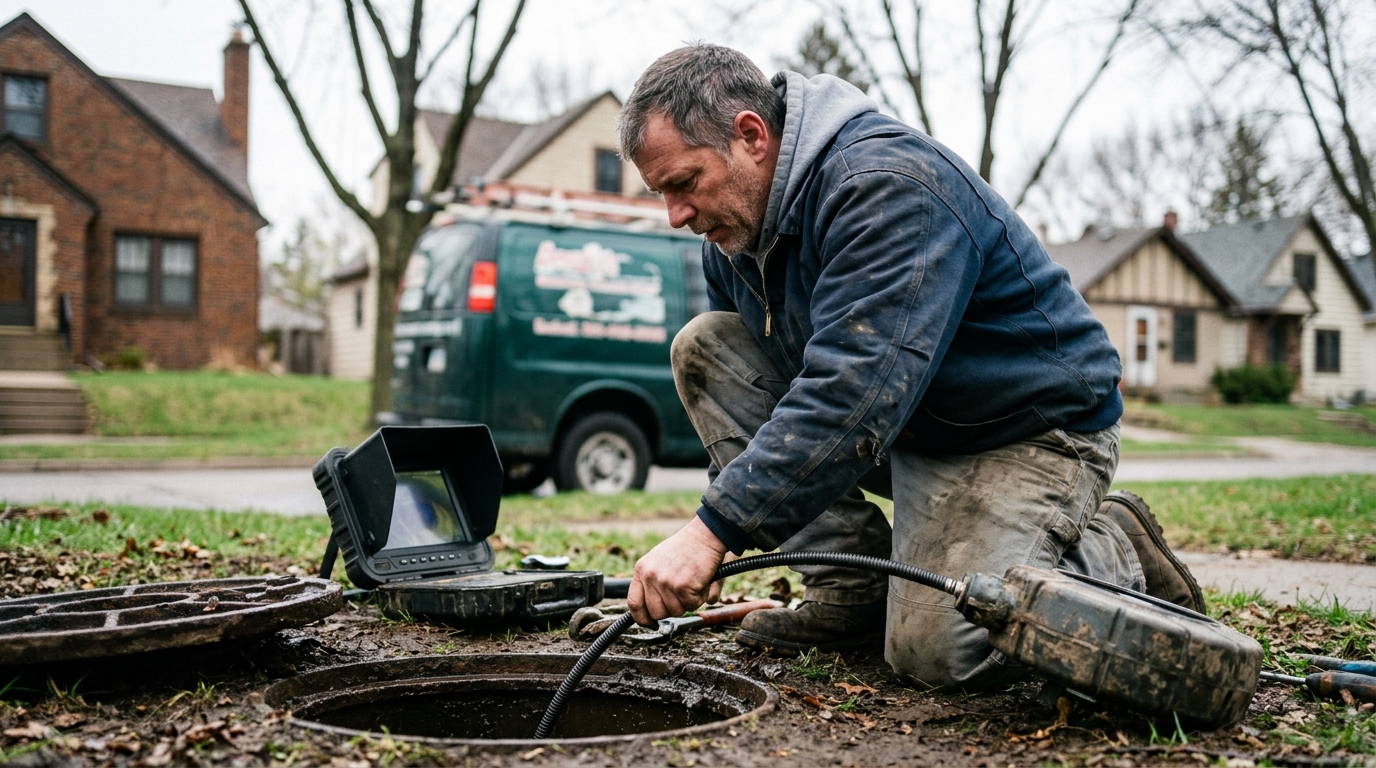
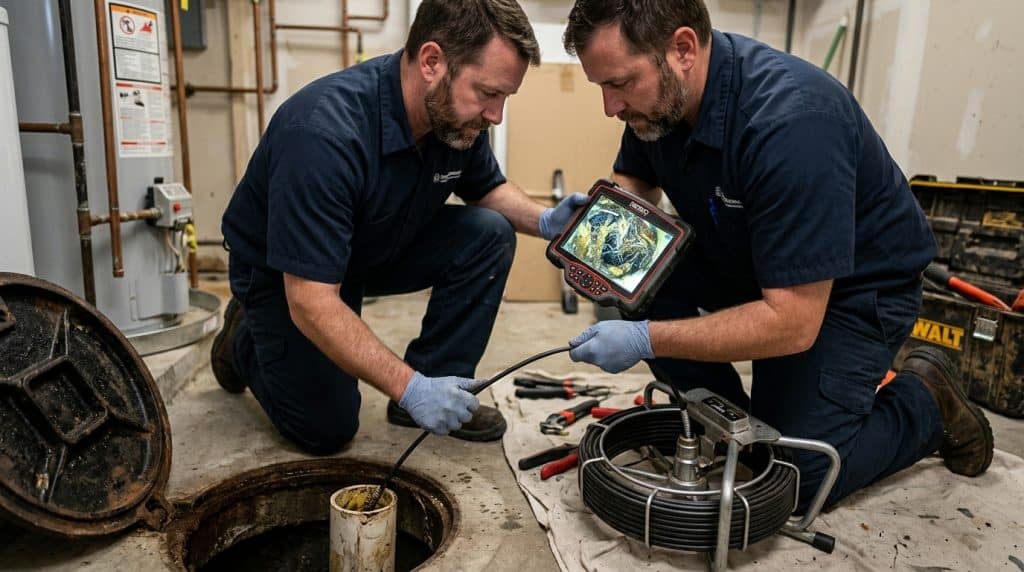
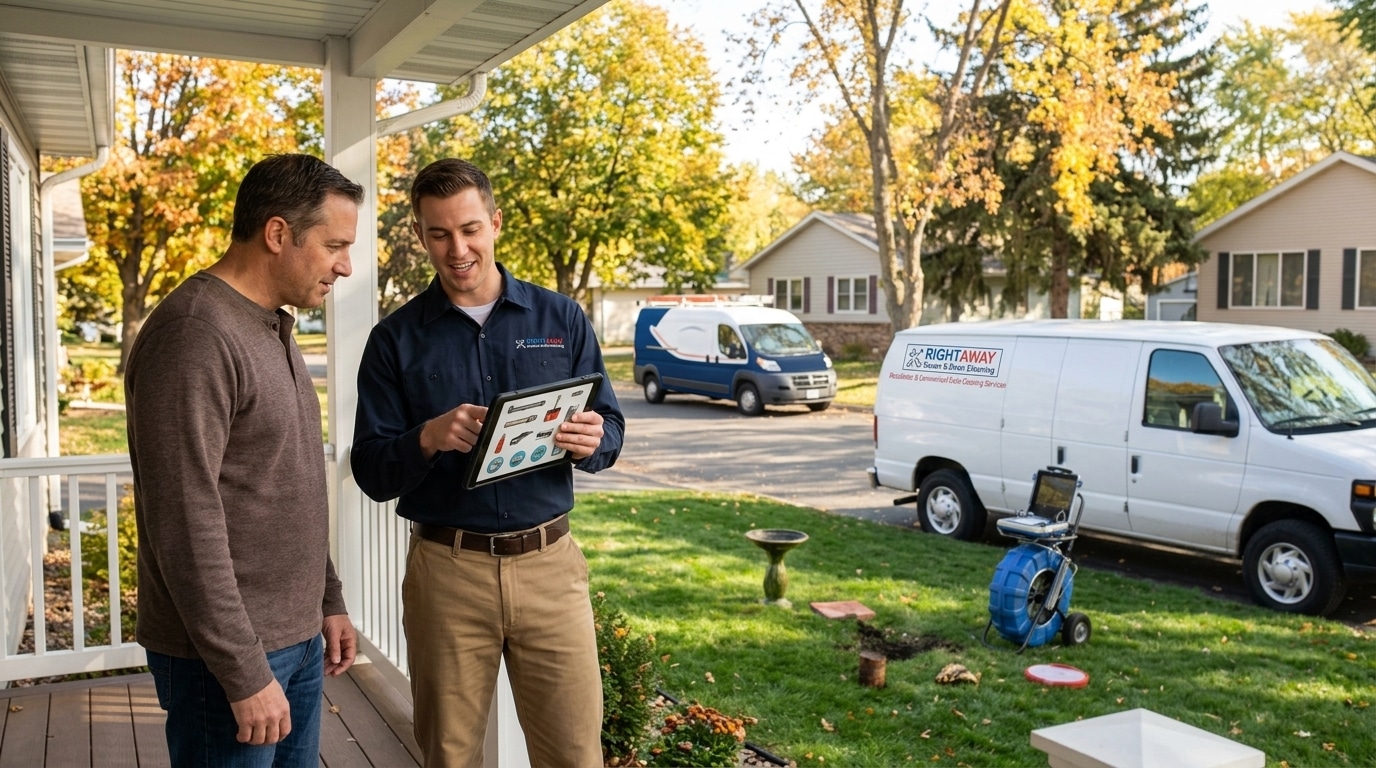
Professional drain cleaning services, such as Right Away Sewer and Drain Cleaning, can provide deep cleaning and maintenance, ensuring that even hidden issues are addressed. Their expertise can help you manage both routine maintenance and emergency situations effectively.
Training staff on proper waste disposal practices is crucial in preventing clogs. Educating employees about what can and cannot be poured down the drains will minimize the risk of blockages and promote a proactive maintenance culture within your organization.
Tools and Techniques for Efficient Floor Drain Maintenance
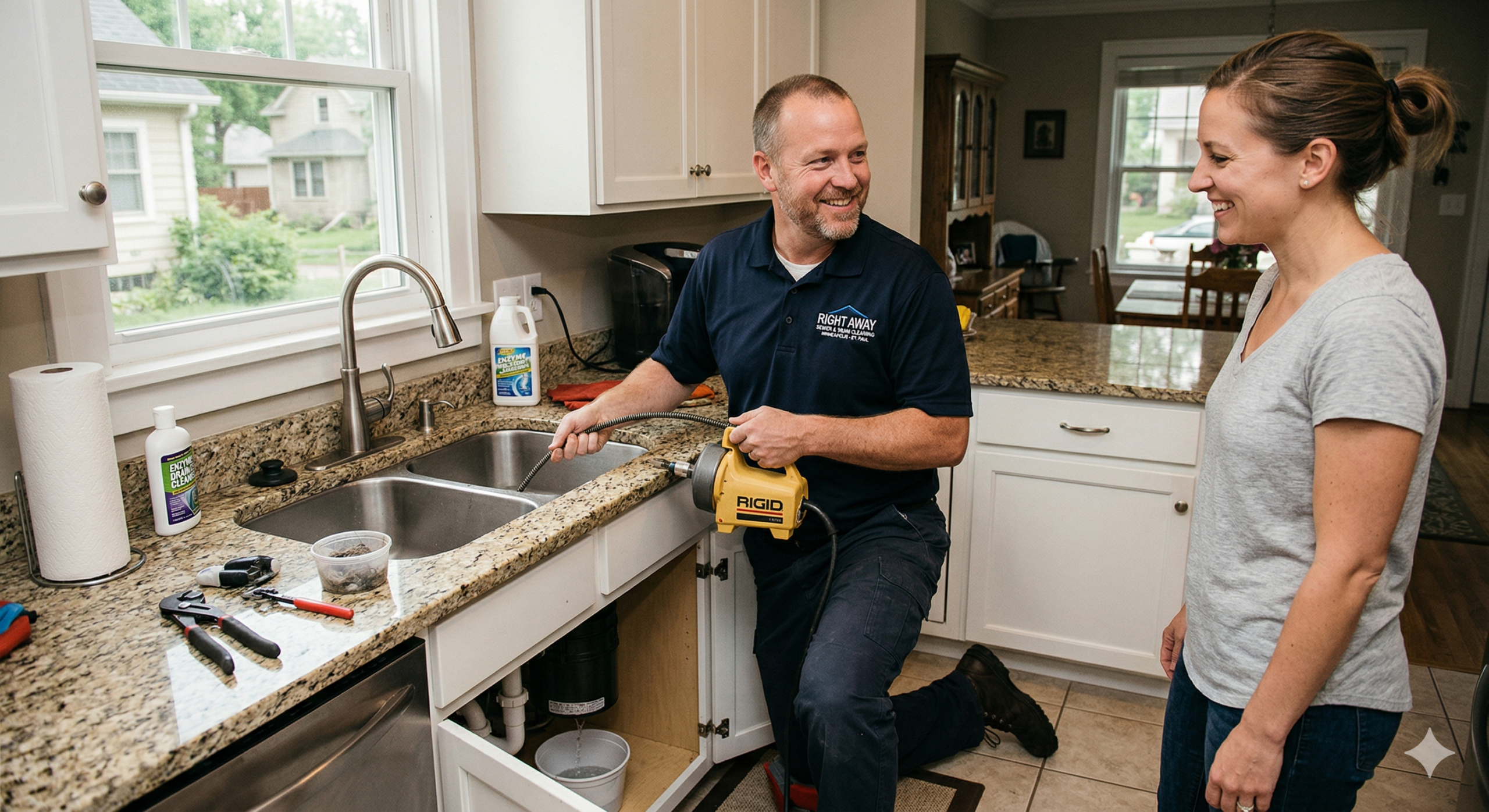
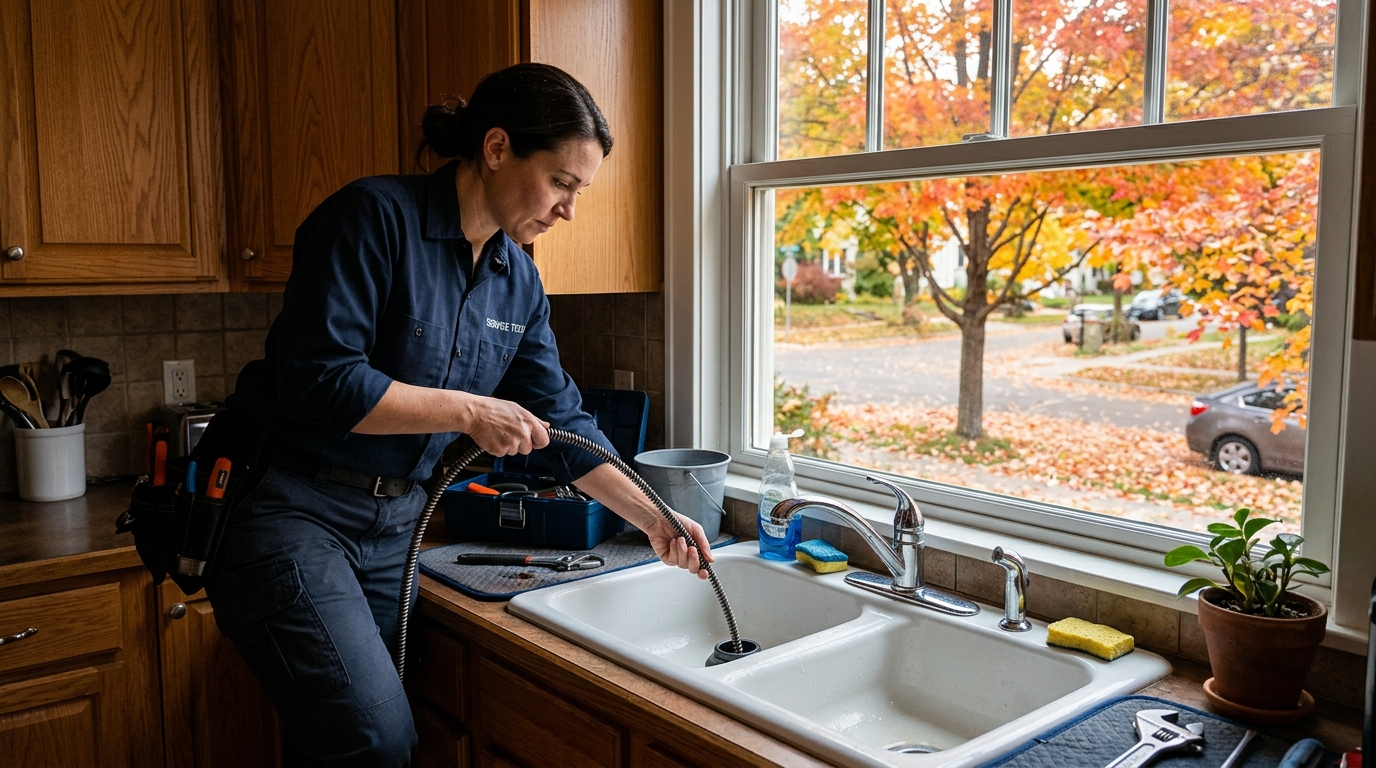
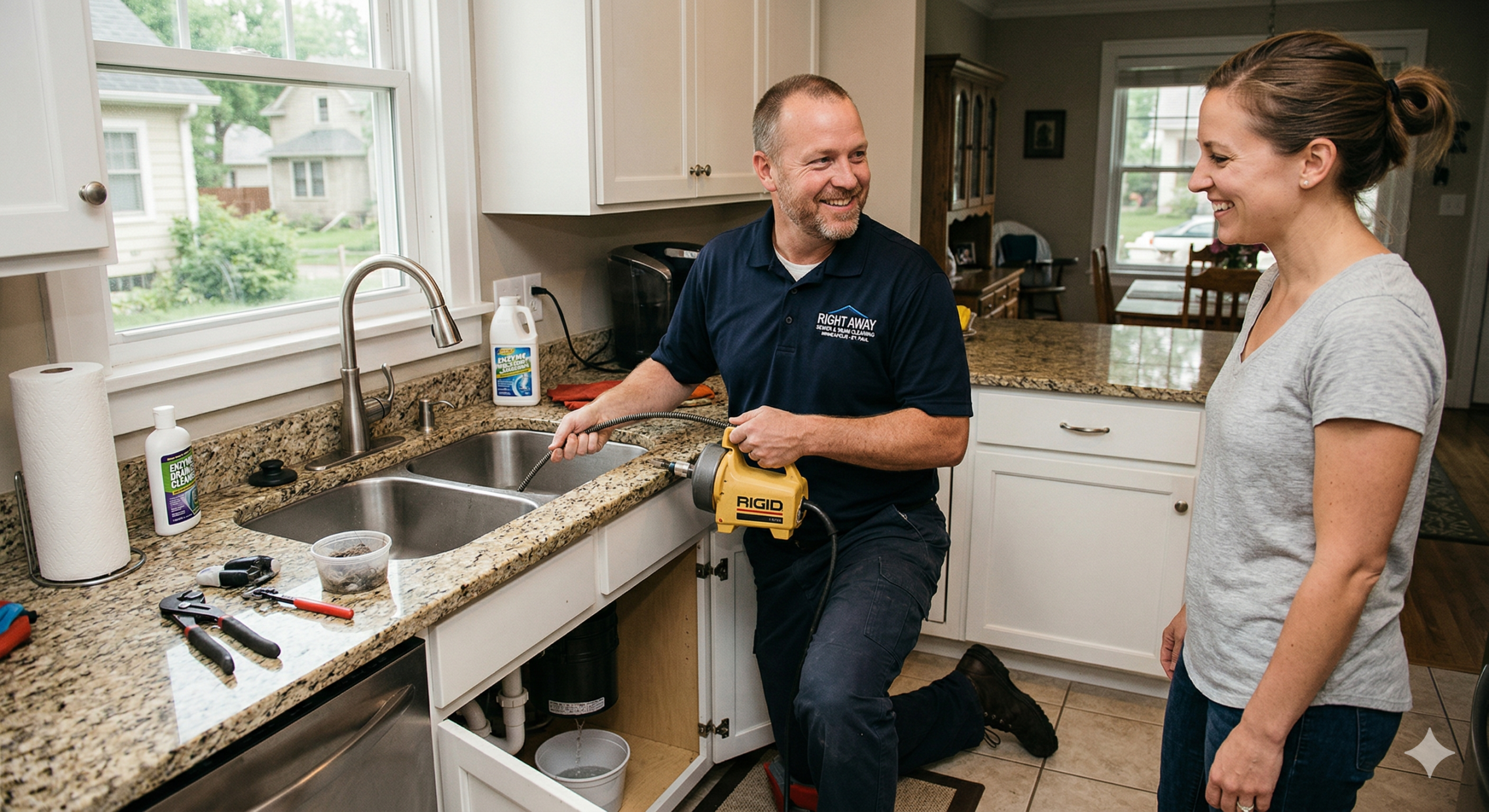
Having the right tools and equipment is essential for efficient floor drain maintenance. Basic tools like drain snakes, plungers, and enzymatic cleaners can make regular upkeep more manageable and effective. These tools help in clearing minor clogs and maintaining the flow of water through the drainage system.
Using eco-friendly cleaning products is important not only for the environment but also for the health of your drainage systems. Harsh chemicals can damage pipes and lead to more frequent repairs. Instead, opt for enzymatic drain cleaners that break down organic materials without causing harm to the pipes or the environment.
Demonstrating the proper use of these tools can empower your maintenance staff to handle routine issues confidently. Regularly using drain snakes to remove minor blockages and employing enzymatic cleaners can reduce the buildup of debris and prevent larger issues from developing.
By investing in the right tools and techniques, you ensure that your commercial drains continue to drain quickly and efficiently.
Benefits of Proactive Floor Drain Maintenance
The benefits of proactive floor drain maintenance extend far beyond immediate cost savings. By preventing emergency repairs and potential property damage, you protect your bottom line and avoid unexpected expenses.
A building that is free from clogged drains and water damage is more appealing and functional, enhancing the overall cleanliness and appearance of the property.
Peace of mind is another significant advantage for property managers. Knowing that the drainage systems are operating effectively allows you to focus on other aspects of facility management without the constant worry of potential plumbing disasters.
A well-maintained building also upholds a positive reputation among tenants and visitors, fostering trust and satisfaction.
Proactive maintenance is an investment in the future of your property. By prioritizing floor drain maintenance, you ensure that your building remains a safe, functional, and desirable place for business.
Right Away Sewer and Drain Cleaning can partner with you to implement a comprehensive maintenance plan, addressing both immediate needs and long-term goals.
Conclusion
In conclusion, regular floor drain maintenance is an essential component of effective facility management in commercial buildings. By preventing clogs, mitigating health risks, and maintaining compliance with regulations, you ensure the smooth operation of your property.
The benefits of proactive maintenance, from cost savings to enhanced reputation, make it a worthwhile investment for any commercial property manager.
As you reflect on the importance of floor drain maintenance, consider making it a priority in your facility management strategy. By doing so, you not only protect your property but also contribute to its long-term success and sustainability.