Understanding Quality Plumbing Snaking Drain Services
Plumbing snaking a drain is a professional method used by Right Away Sewer Cleaning to physically break up and remove stubborn blockages from residential and commercial pipes. This highly effective process utilizes specialized augers to clear obstructions safely, restoring full water flow without damaging your plumbing system.
Unlike superficial attempts, a quality snaking service goes beyond merely poking a hole in a clog; it involves a systematic approach to identify, thoroughly remove, and prevent the recurrence of obstructions without causing damage to the pipes.
For homeowners and business owners in the Minneapolis and St. Paul metro, understanding what constitutes effective and lasting drain snaking is crucial for maintaining healthy plumbing and avoiding costly future repairs. This page defines the professional standards that ensure a successful outcome.
The effectiveness of drain snaking hinges on precision, appropriate tool selection, and skilled execution. It’s a critical service for addressing common household issues ranging from slow drains to complete blockages in kitchen sinks, bathroom showers, and even main sewer lines. When performed correctly, professional drain snaking not only clears the immediate problem but also contributes to the long-term integrity and efficiency of a property’s plumbing infrastructure.
The Five Pillars of Effective Drain Snaking
Achieving a truly clear and lasting drain requires adherence to a set of professional standards. These five pillars define what homeowners should expect from any quality snaking drain service, ensuring that the blockage is not just temporarily relieved but effectively eliminated.
Accurate Clog Diagnosis
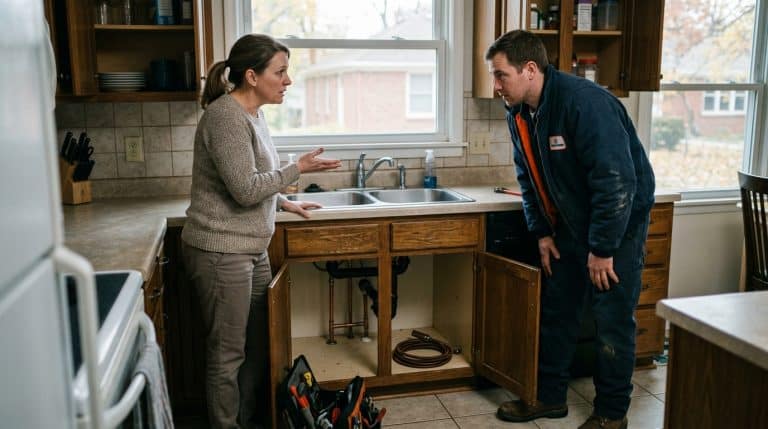
Before Right Away Sewer Cleaning begins any plumbing snaking drain service, our technicians conduct a thorough assessment of the clog’s nature, location, and severity. This expert diagnostic process goes beyond observing slow drainage to include evaluating water flow rates, listening to drain sounds, and utilizing advanced camera inspections when necessary.
Understanding whether the blockage is caused by hair, grease, foreign objects, or a combination dictates the subsequent approach. Without precise diagnosis, the wrong tool or technique could be used, leading to incomplete clog removal or even pipe damage.
Homeowners can evaluate this by observing if the technician asks detailed questions about the drain’s history and symptoms, and if they explain their diagnostic process before starting work. A professional will clearly communicate what they believe the problem is and why.
Appropriate Tool Selection
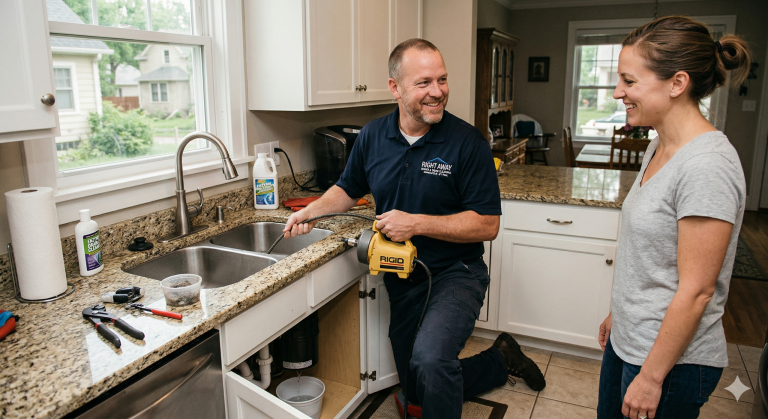
The effectiveness of Right Away Sewer Cleaning’s drain snaking heavily depends on our technicians using the exact correct equipment for your specific blockage. Our professional drain snakes and augers come in various lengths and diameters with specialized head attachments, allowing us to perfectly match the tool to the clog type, pipe material, and pipe diameter.
For instance, a cutting head is ideal for root intrusions or hard scale, while a retrieving head is designed to pull out foreign objects or hair clogs. Using an unsuitable tool can push the clog further, damage the pipe, or fail to clear the obstruction completely.
You can assess this by noting if the technician has a variety of tools and attachments, and if they explain why they are choosing a particular one for your specific drain clog. This demonstrates expertise and a tailored approach.
Skilled Operation
Operating a professional drain snake requires the significant skill and experience that Right Away Sewer Cleaning technicians bring to every job. Our experts carefully navigate the auger through the pipe’s twists and turns, applying appropriate pressure to feel for and break apart the clog without ever forcing the tool or damaging the pipe walls.
Proper technique ensures the auger effectively breaks up or retrieves the blockage while protecting the integrity of the plumbing system. Incorrect operation can lead to scratched pipes, punctured lines, or the auger getting stuck, turning a simple clog into a major repair.
Look for a technician who works methodically and carefully, explaining their process as they go. They should demonstrate control over the equipment and avoid aggressive, uncontrolled movements.
Thorough Clearance
Right Away Sewer Cleaning’s quality drain snaking service guarantees the complete removal of the obstruction, rather than just punching a small hole through the blockage. While partial clearance only offers temporary relief, our comprehensive snaking methods ensure remaining debris is cleared so it cannot accumulate new material and cause a recurring clog.
Thorough clearance means ensuring the pipe is as clean as possible, allowing water to flow freely and at full capacity. This often involves multiple passes with the auger or using different attachments to scrape the pipe walls.
After the service, observe the water flow carefully. It should be strong and unimpeded, without any lingering slowness or gurgling sounds. A professional will often run water for several minutes to confirm full clearance.
Post-Service Verification & Preventative Advice
At Right Away Sewer Cleaning, the job isn’t complete until our technician verifies that the drain is fully clear and offers personalized advice to prevent future plumbing issues. This verification process involves running water through the newly cleared drain to confirm proper flow and optimal drainage capacity.
Equally important is providing homeowners with actionable recommendations for maintaining clear drains, such as proper disposal habits for grease and food particles, or using drain screens. This commitment to long-term drain health is a hallmark of truly professional service.
A reliable service provider will perform a final flow test and offer practical tips on how to prevent drain emergencies in the future, demonstrating a commitment to your home’s plumbing beyond the immediate repair.
Matching the Right Snake to the Clog
The diversity of drain clogs necessitates a tailored approach to plumbing snaking. Understanding the specific characteristics of different blockages is paramount for selecting the most effective and least invasive tool. For instance, a soft blockage of hair and soap scum in a bathroom plumbing line requires a different auger head than a hardened grease buildup in a kitchen plumbing drain.
Professional technicians are equipped with various types of drain augers, each designed for specific scenarios. Drum augers are common for smaller residential lines, offering flexibility and ease of use. Sectional augers, with their interchangeable cables and powerful motors, are often deployed for longer or tougher main line clogs.
The choice of auger is further refined by the selection of its head attachment: a straight auger bit can punch through soft blockages, a grease cutter effectively scrapes away sticky residue, and a retrieving head is invaluable for extracting foreign objects that have fallen into the drain. This meticulous matching of tool to clog ensures efficient removal without risking pipe damage.
Types of Drain Snakes
To effectively perform a plumbing snaking drain service, professionals rely on several distinct types of augers tailored to different pipe sizes and clog severities:
- Hand Spinners: Ideal for minor clogs in small household drains like bathroom sinks and tubs. These manually operated tools use a flexible cable to clear soft blockages near the drain opening.
- Motorized Augers: Used for tougher clogs in kitchen sinks or branch lines, these electrically powered snakes provide the extra torque needed to break through hardened grease and compacted debris.
- Heavy-Duty Sewer Snakes: Designed for main sewer lines, these robust, motorized machines feature thick, long cables capable of cutting through severe obstructions, including heavy root intrusions, deep within the plumbing system.
DIY vs. Professional Drain Snaking
While some homeowners attempt to clear clogs themselves, understanding the differences between DIY methods and professional plumbing snaking drain services can save time, money, and your pipes.
| Criteria | DIY Drain Snaking | Professional Drain Snaking |
|---|---|---|
| Effectiveness | Often provides only temporary relief; punches a small hole in the clog. | Completely removes the obstruction and scrapes pipe walls clean. |
| Risk of Pipe Damage | High; improper use can easily scratch, crack, or puncture pipes. | Low; trained technicians use precise control to protect plumbing integrity. |
| Equipment Used | Flimsy, manual hand snakes or chemical cleaners. | Heavy-duty motorized augers with specialized cutting and retrieving heads. |
| Ideal Use Cases | Minor, superficial hair clogs right at the drain opening. | Stubborn blockages, hard scale, root intrusions, and main line backups. |
Beyond the Snake: When to Consider Other Solutions
While plumbing snaking is highly effective for many common clogs, it is not a universal solution. There are specific scenarios where alternative or supplementary methods are necessary to achieve a lasting clear drain. Recognizing these limitations is a key aspect of professional drain cleaning expertise.
For instance, drains heavily impacted by extensive grease buildup, mineral scale, or persistent sludge often benefit more from hydro-jetting. This method uses high-pressure water to scour the inside of pipes, effectively cleaning the entire circumference and restoring them to near-original condition.
Similarly, for recurring clogs, suspected pipe damage, or when the exact nature and location of a blockage remain unclear, a drain camera inspection becomes indispensable. This allows technicians to visually assess the pipe’s interior, identify cracks, root intrusions, or collapsed sections that snaking alone cannot address.
A comprehensive drain service provider will always recommend the most appropriate solution, even if it extends beyond traditional snaking, ensuring the long-term health of your drainage system.
Maintaining Clear Drains: Preventing Future Clogs
Effective plumbing snaking not only resolves immediate blockages but also includes guidance on preventing future occurrences. A truly quality service extends beyond the repair, empowering homeowners with the knowledge to maintain their drainage systems and avoid recurring issues. This proactive approach is fundamental to long-term drain health.
Simple preventative measures can significantly reduce the frequency of drain clogs. In kitchens, this means avoiding pouring grease down the drain, using drain screens to catch food particles, and regularly flushing with hot water. For bathroom drains, hair catchers are crucial, and minimizing the disposal of non-biodegradable items helps prevent blockages.
For main lines, being mindful of what goes down toilets and ensuring proper landscaping to prevent root intrusion are vital. Understanding these practices, and implementing them consistently, is an essential part of ensuring your drains remain clear and functional for years to come.
Defining Quality in Plumbing Snaking Drain Services
Plumbing snaking a drain is a fundamental service for maintaining functional residential plumbing. Quality in this service is defined by a comprehensive approach that prioritizes accurate diagnosis, appropriate tool selection, skilled operation, thorough clog clearance, and valuable preventative advice. It encompasses clearing common blockages in residential branch lines and main lines, and identifying when snaking is the most suitable method versus advanced techniques like hydro-jetting or camera inspection.
The standards that matter most for effective drain snaking include the precise identification of the clog’s type and location, the strategic deployment of specialized augers and attachments, and the careful execution of the snaking process to ensure complete obstruction removal without pipe damage. Ultimately, a quality plumbing snaking drain service delivers not just immediate relief from a blockage, but also contributes to the lasting health and efficiency of a home’s entire drainage system.
Frequently Asked Questions
When is drain snaking effective?
Plumbing snaking a drain is highly effective for clearing physical blockages caused by hair, food particles, foreign objects, and minor root intrusions. It is the ideal solution for localized clogs in kitchen sinks, bathroom showers, toilets, and main sewer lines where a solid mass needs to be broken apart or retrieved.
Can snaking damage my pipes?
When performed by an untrained individual using the wrong equipment, snaking can scratch, crack, or puncture pipes, especially older or fragile ones. However, professional drain snaking is completely safe. Experienced technicians carefully select the right auger size and head, using controlled techniques to clear the blockage without compromising your plumbing’s integrity.
How long does professional drain snaking take?
Most professional plumbing snaking drain services take between 30 minutes to an hour, depending on the severity and location of the clog. Simple branch line clogs are resolved quickly, while complex main sewer line blockages or clogs requiring prior camera inspection may take slightly longer to ensure thorough clearance.