Drain cleaning is the essential practice of restoring and maintaining optimal wastewater flow within residential and commercial plumbing systems. Quality in this field means not merely removing an immediate obstruction, but comprehensively addressing the root causes of blockages, ensuring long-term system health, and preventing future issues.
This involves a deep understanding of pipe mechanics, diagnostic precision, and the application of appropriate, effective methodologies. An authoritative approach to drain cleaning prioritizes thoroughness, preventative measures, and adherence to professional standards, ensuring reliable performance for homes and businesses.
Understanding the nuances of drain cleaning is crucial for property owners. A superficial approach often leads to recurring problems, increased costs, and potential damage to plumbing infrastructure. True quality extends beyond a quick fix, focusing instead on the longevity and efficiency of the entire drain system, from kitchen sinks to main sewer lines.
What is Drain Cleaning: Beyond Just Clearing a Clog
Drain cleaning encompasses a range of processes designed to eliminate blockages and buildup within pipes, thereby restoring the free flow of wastewater. It is a critical service for maintaining sanitation, preventing water damage, and ensuring the functional integrity of a property’s plumbing. While often perceived as simply removing a visible obstruction, effective drain cleaning involves a more intricate understanding of hydraulic principles and material science.
The practice extends to identifying underlying issues such as pipe corrosion, structural damage, or persistent accumulation patterns that contribute to recurring clogs. This comprehensive perspective differentiates a temporary solution from a lasting one, emphasizing the importance of a thorough assessment rather than just a reactive response. For residents and businesses in the Minneapolis/St. Paul metro, understanding these fundamentals is key to effective property maintenance.
The Mechanics of a Clog: How Drains Get Blocked
Drain clogs form through various mechanisms, often a combination of factors accumulating over time. In kitchen drains, the primary culprits are typically grease, food particles, and soap scum, which congeal and adhere to pipe walls, gradually narrowing the passage. Bathroom drains frequently suffer from blockages caused by hair, soap residue, dental floss, and small foreign objects, which intertwine and create dense obstructions.
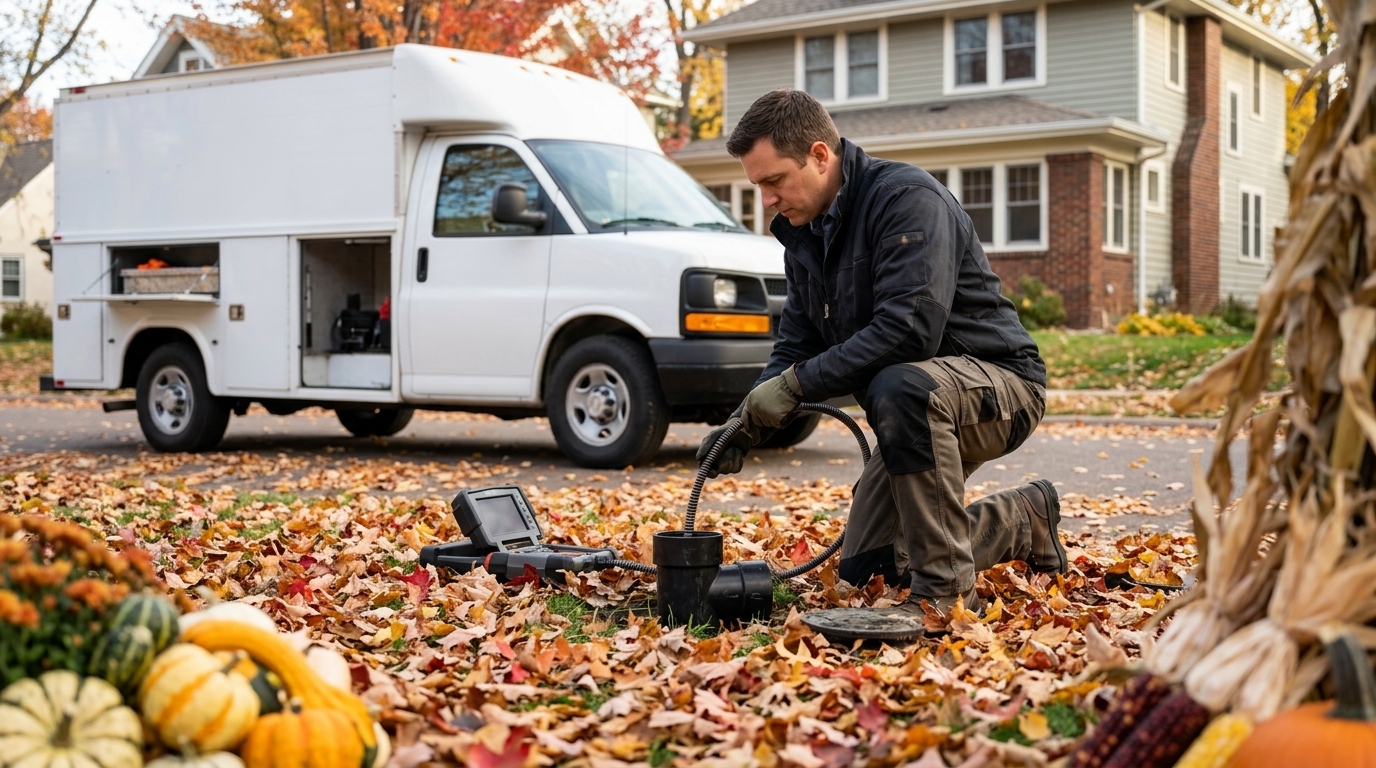
Main sewer lines and outdoor drains can experience more severe issues, including tree root intrusion, which seeks out moisture and nutrients, growing into pipe cracks and creating dense networks that trap debris. Mineral buildup from hard water, sediment, and even structural pipe damage like collapses or misalignments can also contribute significantly to blockages, reducing flow capacity and eventually leading to complete obstructions. The specific material of the pipes, whether PVC, cast iron, or older clay tiles, influences how and where these blockages are most likely to form and adhere.
Assessing Drain Health: Signs of Trouble and What They Mean
Recognizing the early indicators of drain issues can prevent minor inconveniences from escalating into costly emergencies. Property owners should be vigilant for several key signs that signal declining drain health.
- Slow Drainage: Water taking longer than usual to drain from sinks, tubs, or showers is often the first sign of a partial blockage. This indicates that debris is accumulating and beginning to restrict flow.
- Recurring Clogs: If a drain frequently clogs shortly after being cleared, it suggests an underlying issue such as a significant buildup further down the pipe, pipe damage, or an incorrect DIY clearing method that only created a temporary path.
- Foul Odors: Unpleasant smells emanating from drains can indicate trapped food particles, grease, or sewage backing up in the pipes. This is often a sign of organic matter decomposing within the drain system.
- Gurgling Sounds: Gurgling noises from drains or toilets, especially after flushing or using a nearby fixture, often point to trapped air within the plumbing system due to a blockage. This air cannot escape properly, causing the distinctive sound.
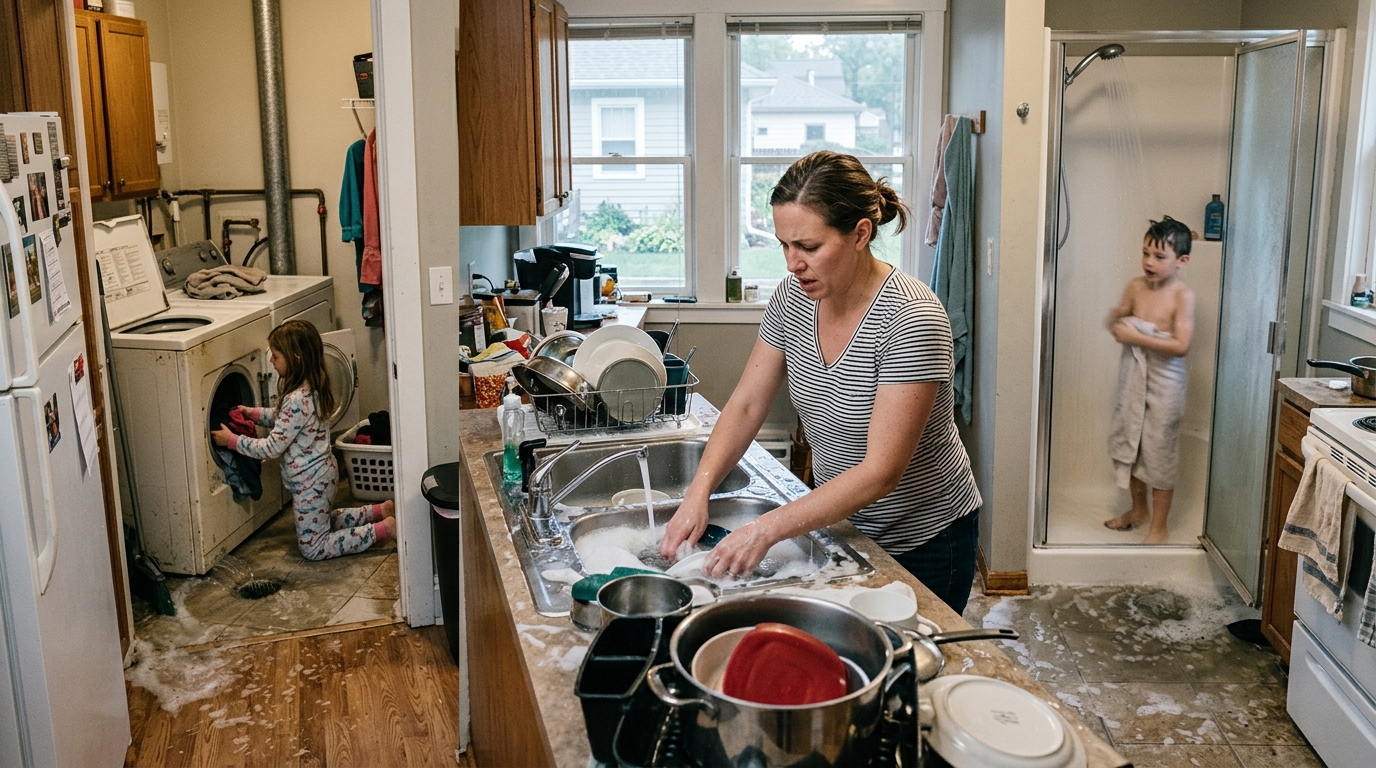
- Water Backups: The most severe sign, water backing up into sinks, tubs, or toilets, indicates a significant or complete blockage, often in a main line. This requires immediate professional attention to prevent extensive water damage.
Each of these indicators provides valuable clues about the nature and location of a potential clog, guiding the diagnostic process toward an effective solution.
Choosing the Right Drain Cleaning Method: A Decision Matrix
Selecting the appropriate drain cleaning method is crucial for effective and lasting results, depending on the specific characteristics of the clog and the plumbing system. A systematic approach considers clog type, severity, location, and pipe material to ensure the most efficient and least invasive solution.
Drain Cleaning Method Selection Criteria:
- Clog Type:
- Grease/Soap Scum: Often responds well to hydro-jetting due to its ability to scour pipe walls.
- Hair/Foreign Objects: Mechanical snaking is effective for retrieving or breaking up these physical obstructions.
- Tree Roots: Requires specialized mechanical augers or high-pressure hydro-jet drain cleaning with root-cutting nozzles.
- Mineral Buildup: Hydro-jetting can often break down and flush mineral deposits.
- Clog Severity:
- Partial Blockage/Slow Drain: May be addressed with professional snaking or enzymatic cleaners for organic matter.
- Complete Blockage/Backup: Demands more powerful methods like professional snaking or hydro-jetting to restore flow quickly.
- Clog Location:
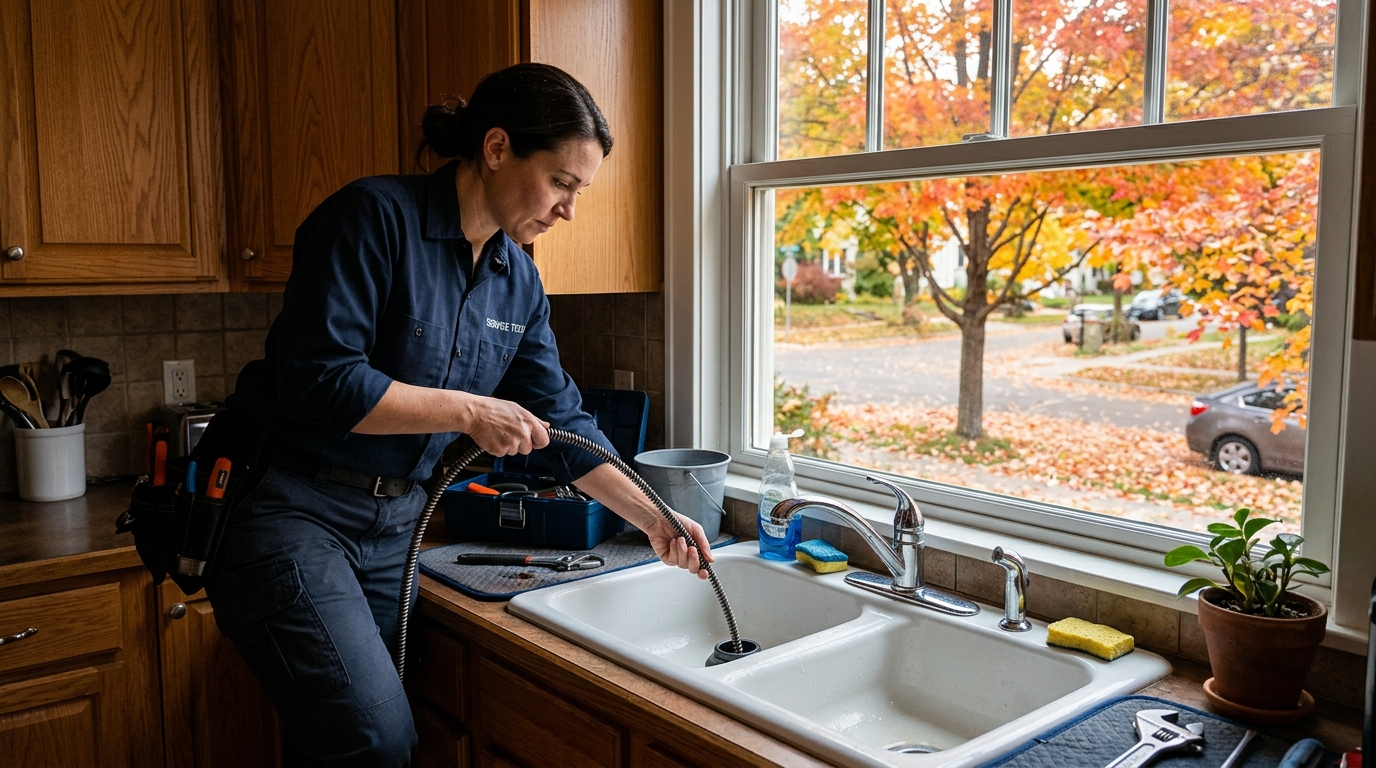
- Local Drains (Kitchen/Bathroom): Often accessible with smaller augers or professional snaking.
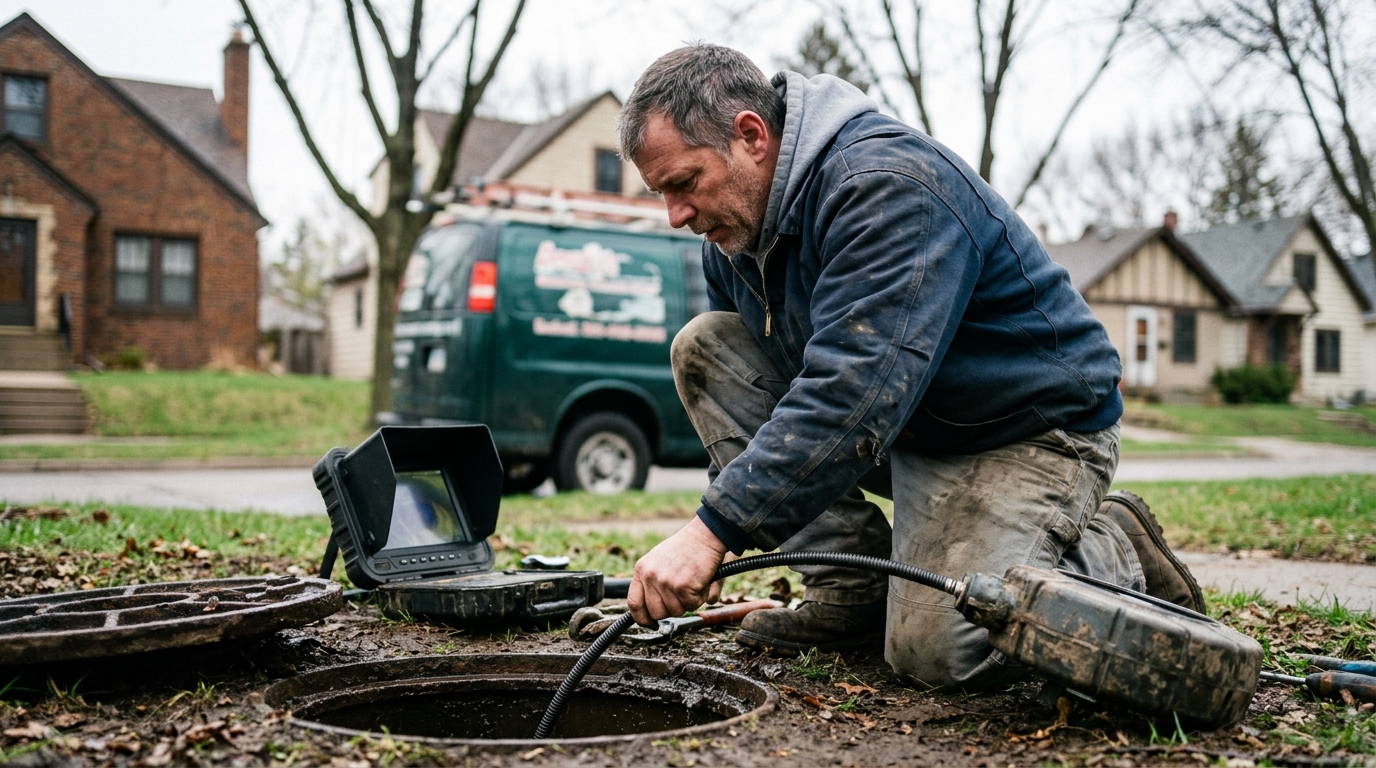
- Main Line/Sewer Line: Requires longer, more powerful equipment like heavy-duty augers or hydro-jetters, often preceded by a drain camera inspection.
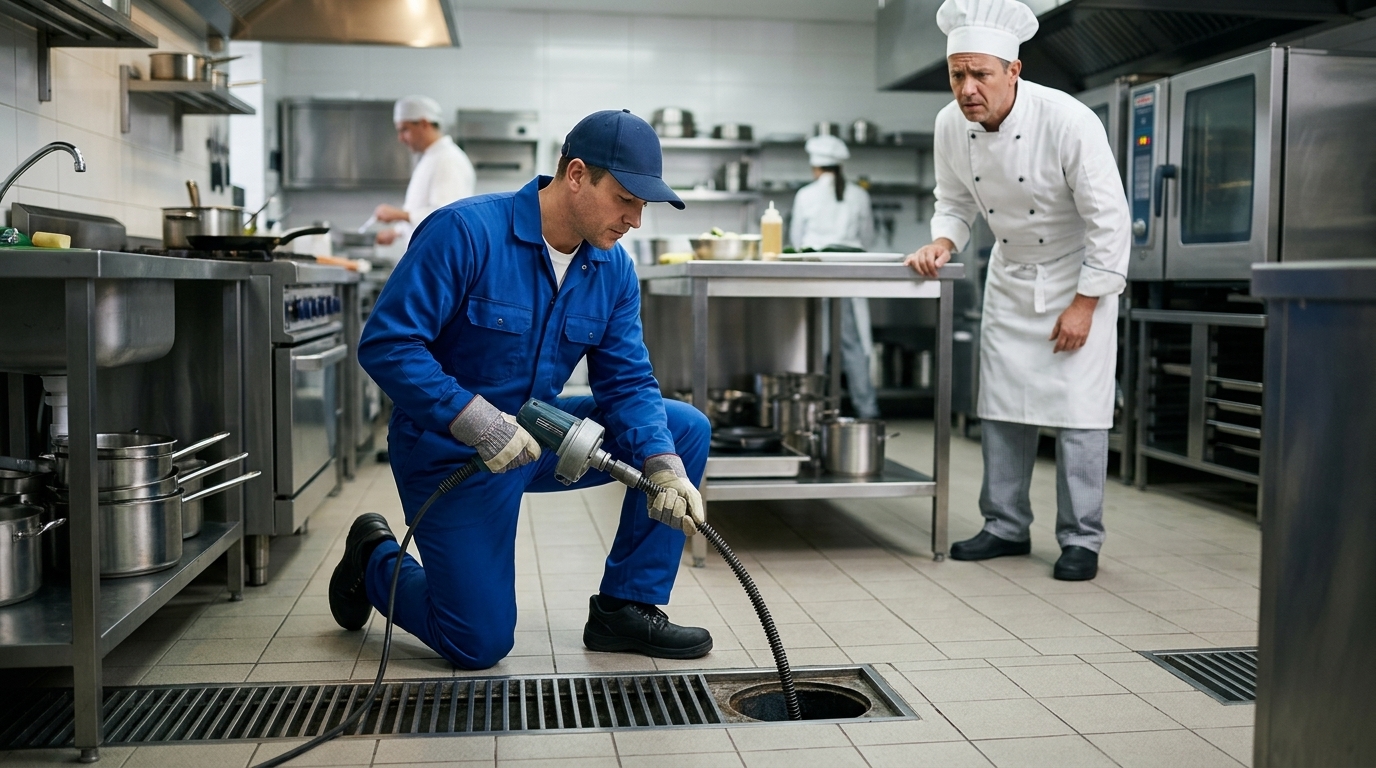
- Floor Drains: Can often be cleared with professional snaking or floor drain cleaning techniques.
- Pipe Material & Condition:
- Older/Fragile Pipes: Chemical cleaners should be avoided. Hydro-jetting pressure must be carefully calibrated to prevent damage. Camera inspection is vital before aggressive cleaning.
- Modern PVC/PEX: Generally more resilient to various methods, though excessive force should always be avoided.
Common Methods Explained:
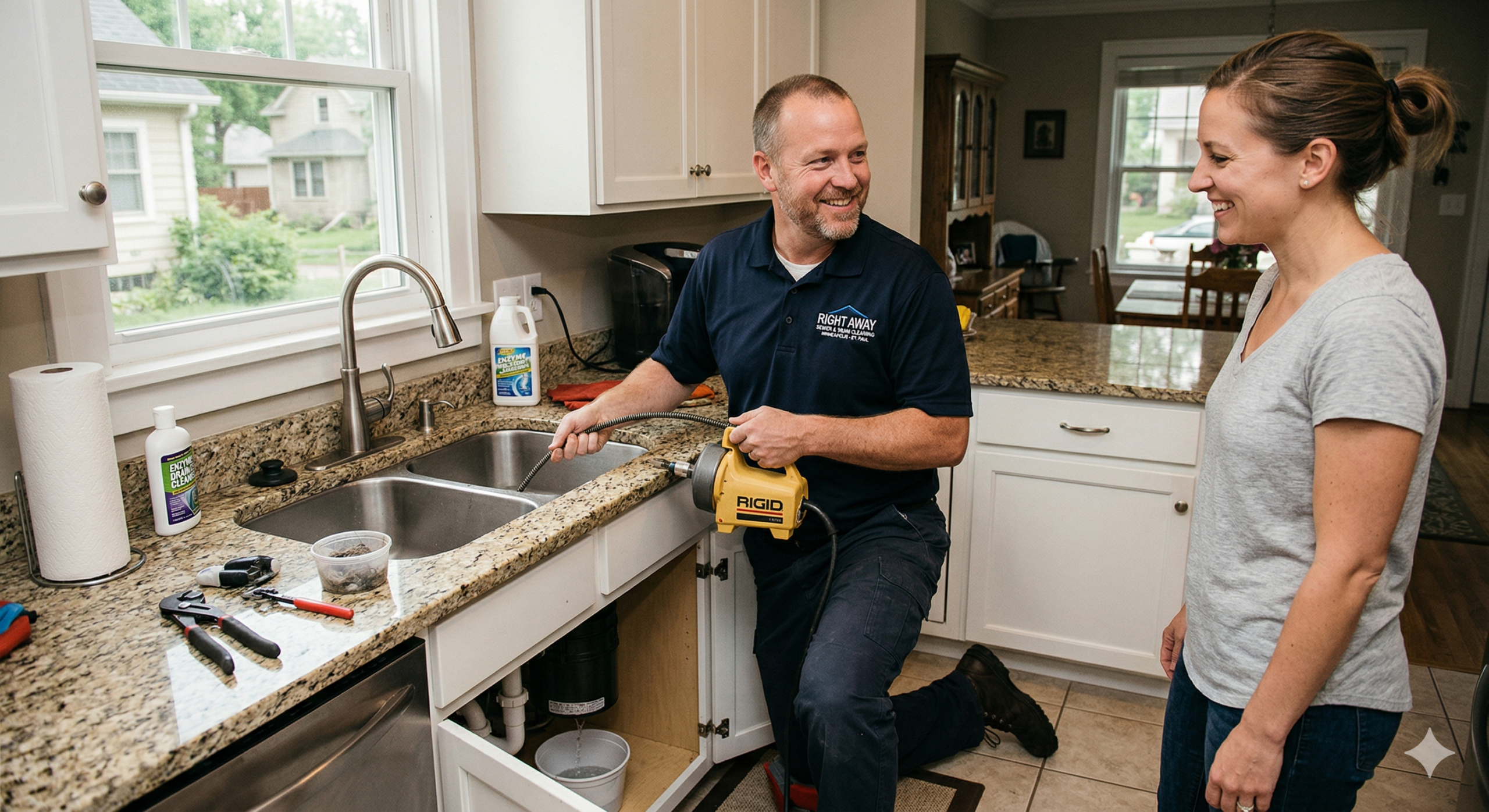
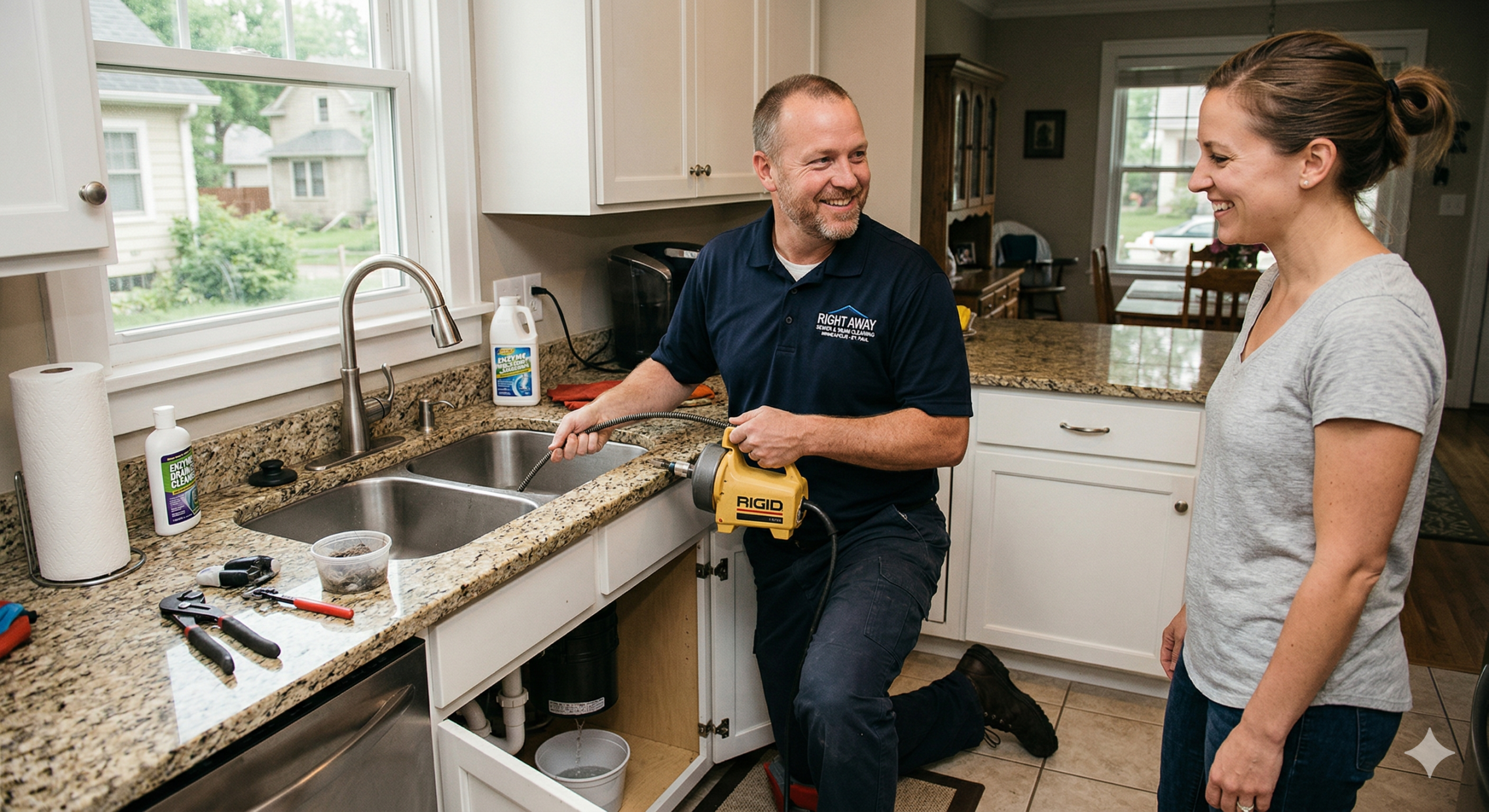
- Manual Snaking/Augering: Involves inserting a flexible cable with an auger head into the drain to physically break apart or retrieve clogs. Best for isolated clogs like hairballs or small foreign objects.
- Chemical Drain Cleaners: While widely available, these corrosive agents can damage pipes, especially older ones, and are often ineffective against severe clogs. Their use is generally discouraged due to safety and efficacy concerns.
- Enzymatic Cleaners: Use biological agents to break down organic matter over time. Best for preventative maintenance or very minor clogs, not for immediate blockage removal.
- Professional Mechanical Snaking: Utilizes powerful, motorized augers with various cutting heads to penetrate and clear tough blockages, including tree roots in main line drain cleaning.
- Hydro-Jetting: Employs high-pressure water streams to blast away stubborn clogs, grease buildup, and roots, effectively scouring the entire interior of the pipe. It is highly effective for comprehensive cleaning and preventative maintenance.
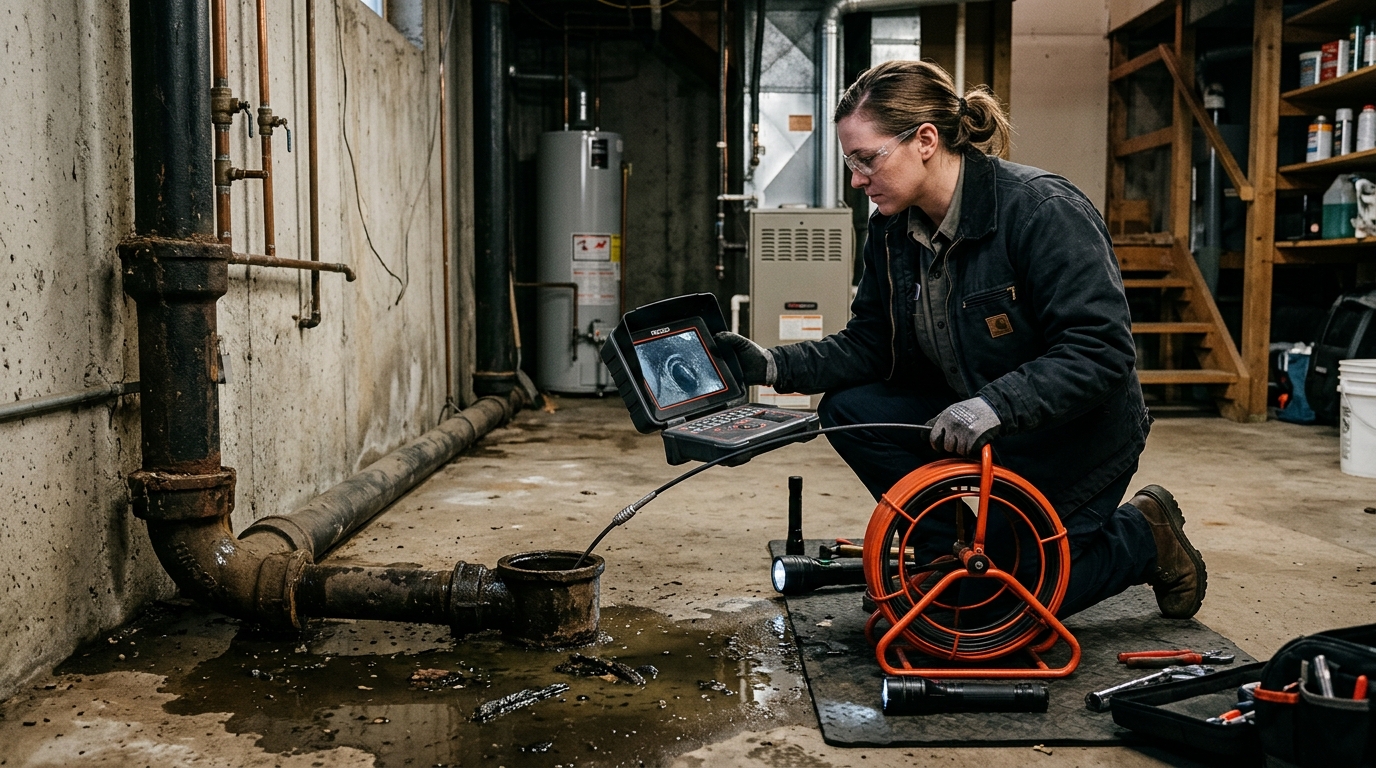
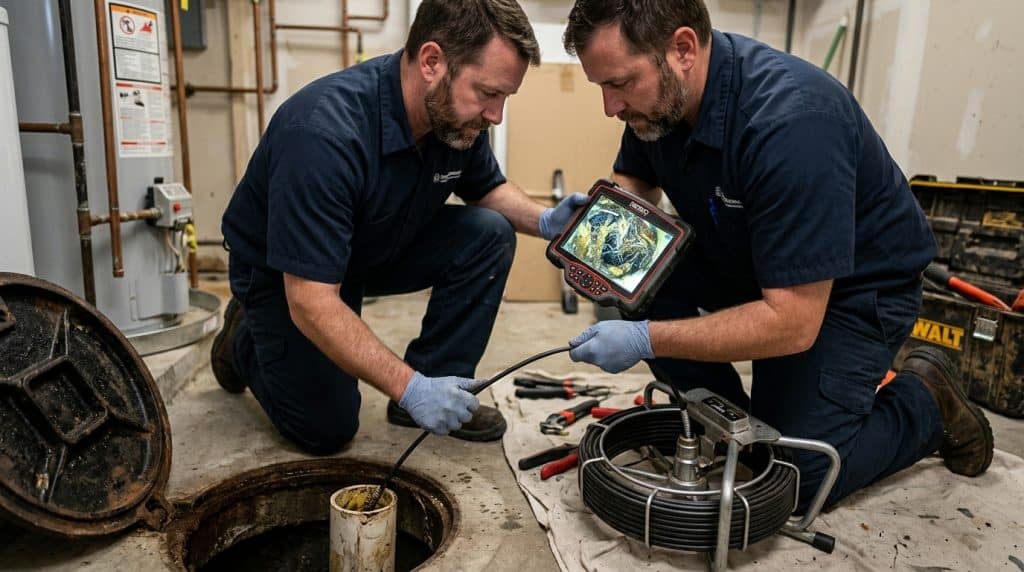
- Drain Camera Inspection: Involves inserting a waterproof camera into the drain to visually identify the exact location, nature, and cause of a clog, as well as assess pipe condition. This diagnostic step is crucial for selecting the correct cleaning method and verifying results.
The optimal choice is rarely a one-size-fits-all solution. A professional assessment, often including a camera inspection, is essential to determine the most effective and safest method for a given drain clog.
Professional Drain Cleaning: Standards for Quality Service
Quality professional drain cleaning adheres to specific standards that ensure effectiveness, safety, and long-term plumbing health. These standards differentiate a superficial service from a comprehensive solution that truly addresses the root causes of drain issues.
Key Standards for Professional Drain Cleaning:
- Thorough Diagnostic Assessment: A quality service begins with a detailed inspection, often utilizing drain cameras, to accurately identify the type, location, and cause of the clog. This prevents guesswork and ensures the correct method is applied. Post-cleaning camera inspections verify that the blockage has been fully cleared and assess the overall pipe condition.
- Appropriate and Well-Maintained Equipment: Professionals use a range of specialized tools, from various auger heads to high-pressure hydro-jetting machines, all kept in excellent working order. The right tool for the job, properly maintained, ensures efficient and safe cleaning without damaging pipes.
- Skilled Technician Expertise: Technicians should possess deep knowledge of plumbing systems, clog mechanics, and the safe operation of cleaning equipment. Their experience allows for accurate diagnosis, precise application of methods, and the ability to adapt to unexpected challenges.
- Adherence to Safety Protocols: Professional drain cleaning involves powerful equipment and potential exposure to hazardous materials. Quality service providers prioritize safety for both their technicians and the property, using personal protective equipment and following strict operational guidelines.
- Focus on Long-Term Solutions: Beyond merely clearing an immediate blockage, a quality service aims to provide lasting relief. This includes advising on preventative measures, identifying underlying pipe issues that contribute to recurring clogs, and offering solutions that extend the lifespan of the plumbing system.
Right Away Sewer Cleaning exemplifies these standards by employing experienced technicians, utilizing advanced diagnostic and cleaning equipment, and committing to thorough, lasting solutions for homeowners and businesses in the Minneapolis and St Paul metro area.
Preventative Drain Maintenance: Extending the Life of Your Plumbing
Proactive drain maintenance is essential for preventing costly and inconvenient clogs, contributing significantly to the longevity and efficiency of a property’s plumbing system. Implementing simple, consistent habits can drastically reduce the likelihood of blockages and the need for emergency services.
For kitchen drains, it is crucial to avoid pouring grease, oil, or fat down the sink, as these substances solidify and accumulate over time. Using drain strainers to catch food particles and regularly flushing with hot water can help.
In bathrooms, hair catchers in showers and tubs are highly effective at preventing hair and soap scum from entering the drain. Avoiding flushing non-biodegradable items like wet wipes, cotton balls, or hygiene products is paramount for all drains, especially toilets.
While chemical drain cleaners are often marketed as solutions, they can be corrosive and damage pipes over time. Enzymatic drain treatments, which use beneficial bacteria to break down organic matter, offer a safer, more environmentally friendly alternative for routine maintenance. However, these are preventative and not effective for clearing existing, severe clogs.
Regular professional check-ups, including periodic camera inspections and hydro-jetting for main lines, can identify potential issues before they become major problems, ensuring optimal flow and extending the life of your plumbing infrastructure.
Drain Cleaning: Scope, Quality, and Standards
Drain cleaning encompasses the comprehensive process of clearing blockages and maintaining optimal wastewater flow within residential and commercial plumbing systems, specifically addressing kitchen, bathroom, floor, main line, and sewer line issues.
Quality in this domain is defined by a thorough approach that extends beyond immediate clog removal to include accurate diagnosis, the application of appropriate professional methods like snaking, hydro-jetting, and camera inspection, and a focus on long-term preventative maintenance.
The standards that matter most for effective drain cleaning include meticulous diagnostic assessment, the use of specialized and well-maintained equipment, the expertise of skilled technicians, strict adherence to safety protocols, and a commitment to providing lasting solutions rather than temporary fixes.
Evaluating these criteria ensures that drain cleaning services not only resolve current issues but also contribute to the overall health and longevity of a property’s plumbing infrastructure.