The plumbing system in any home is a complex network, but few components are as critical and often overlooked as the P-trap. For homeowners in Minneapolis, understanding the function and common issues associated with p-trap is essential for maintaining a healthy and odor-free living environment. This simple, U-shaped pipe plays a vital role in preventing unpleasant sewer gases from entering your home while also catching debris before it causes more significant blockages deeper within your drainage system.
What is a P-Trap and Why Does Your Minneapolis Home Need One?
A P-trap is a curved section of pipe, typically found directly beneath sinks, bathtubs, and other plumbing fixtures. Its distinctive “P” shape is not merely aesthetic; it’s engineered to hold a small amount of water, creating a crucial barrier known as a water seal.
This water seal is the primary defense against noxious sewer gases, which are naturally present in drain lines and can carry harmful bacteria and unpleasant odors directly into your home. Beyond its role as an odor barrier, the P-trap also serves as a collection point for heavier debris like hair, food particles, and small dropped items, preventing them from traveling further down the drain where they could cause more severe and harder-to-reach clogs.
Due to these essential functions, plumbing codes, including those often enforced in Minneapolis, mandate the installation of P-traps for virtually all fixtures connected to the wastewater system. This requirement ensures that homes remain sanitary and safe from potential health hazards associated with sewer gas exposure, making the P-trap an indispensable part of modern residential plumbing.
Common P-Trap Problems Minneapolis Homeowners Face
Homeowners frequently encounter several issues with their P-traps, many of which manifest as common household annoyances that can escalate if ignored. One of the most prevalent problems is a slow drain, often caused by the gradual accumulation of hair, soap scum, and grease within the P-trap’s curve, which acts as a natural collection point for these substances.
Another tell-tale sign of a P-trap issue is the mysterious smell of sewer gas emanating from a drain. This typically occurs when the water seal in the trap dries out, allowing gases to bypass the barrier, or if the trap itself has a crack or loose connection compromising its integrity. Leaks are also common, stemming from loose nuts at the trap’s connections, corrosion of older metal traps, or physical cracks that develop over time due to impacts or material degradation.
The “foreign object” dilemma is another frequent problem, where small items like jewelry, toys, or bottle caps accidentally fall into the drain and become lodged in the P-trap. For homeowners in Minneapolis, the first signs of a P-trap problem often include water draining noticeably slower than usual, gurgling sounds from the drain, or the distinct odor of sewage, all indicating that the trap’s function is compromised and requires attention.
DIY P-Trap Maintenance vs. Professional Drain Cleaning in Minneapolis
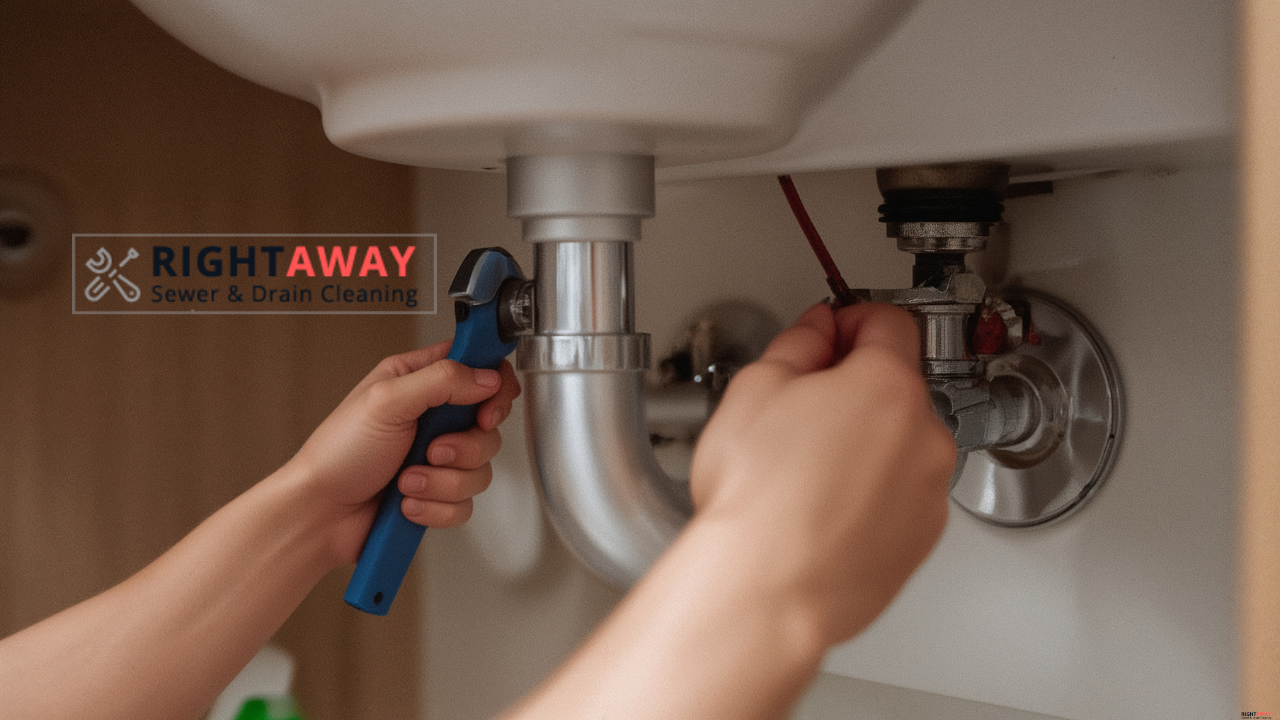
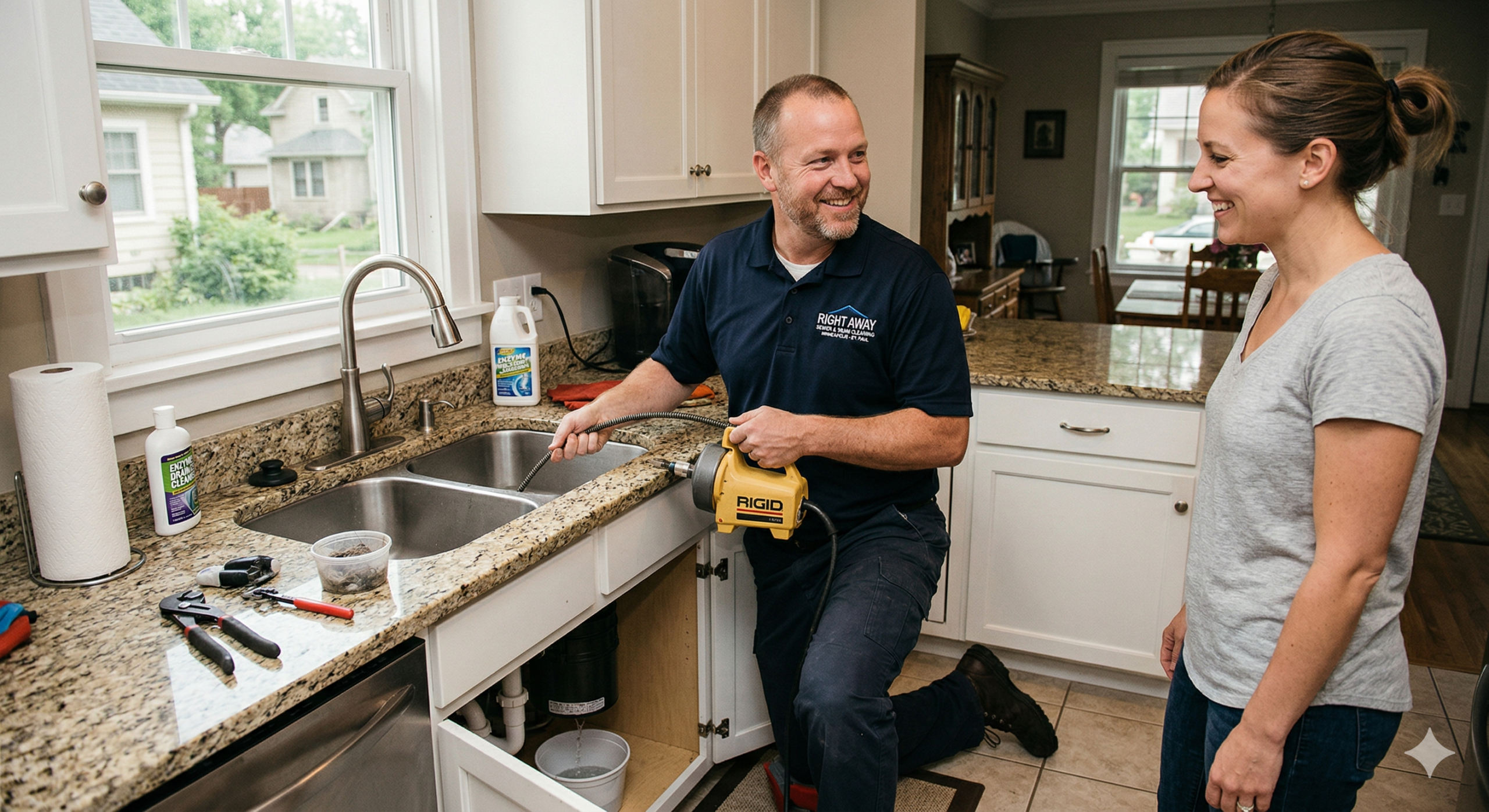
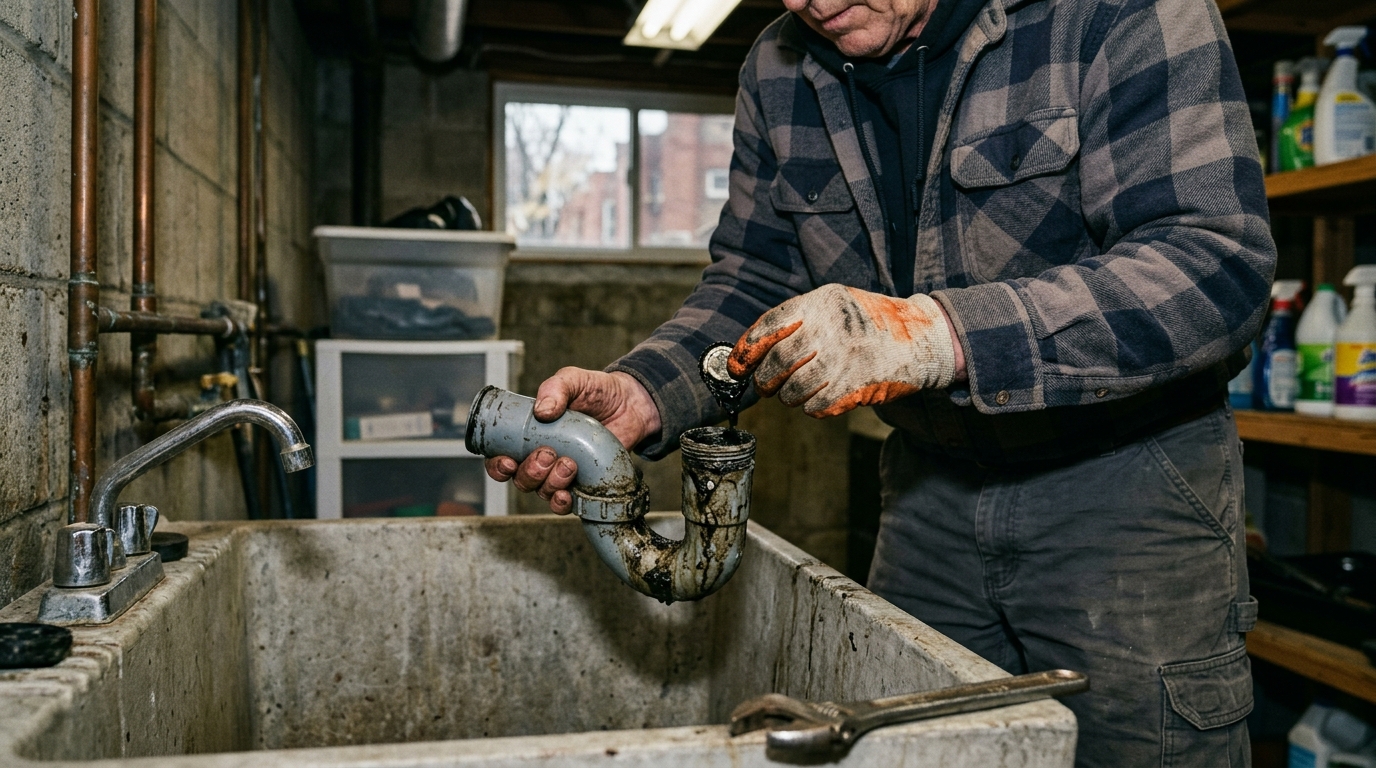
For minor P-trap issues, homeowners can often perform simple maintenance to restore proper function. Cleaning a P-trap typically involves placing a bucket underneath to catch water and debris, then loosening the slip nuts on either side of the trap to remove it, allowing for manual cleaning of any accumulated gunk with a brush or coat hanger.
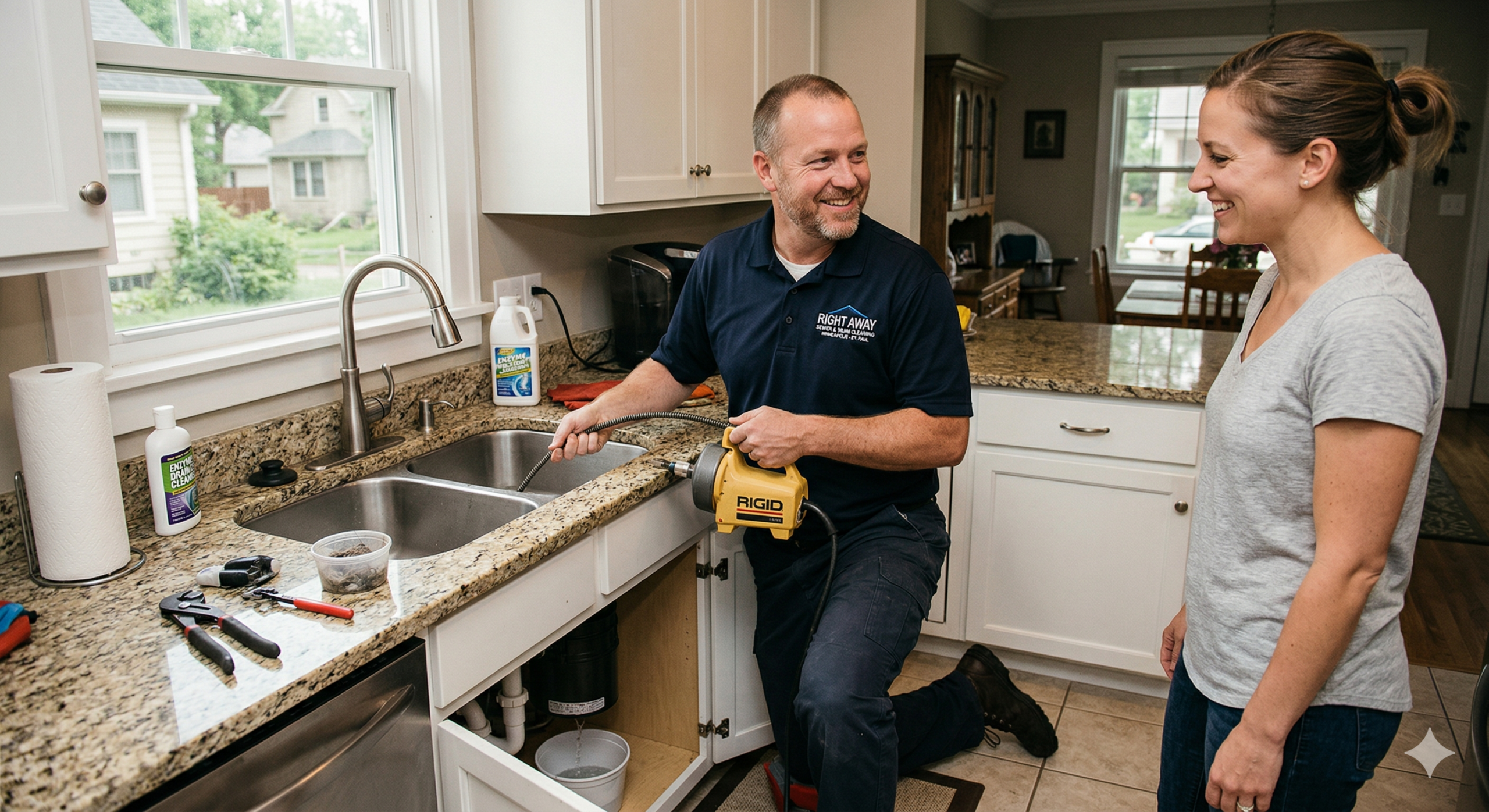
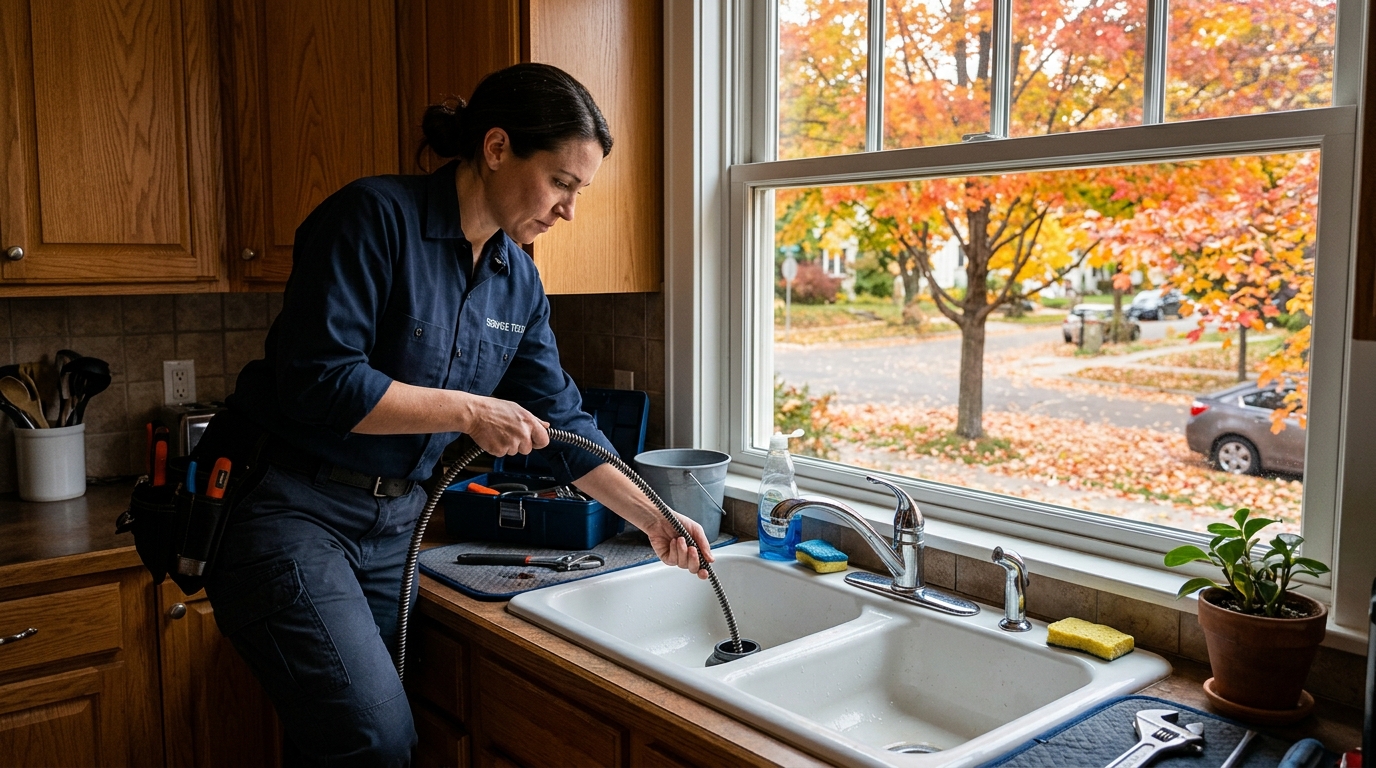
A plunger can be effective for minor clogs that haven’t fully solidified, while a small drain snake can reach slightly deeper into the trap or the immediate pipe beyond it. However, it’s crucial to understand the limitations of DIY methods; chemical drain cleaners, for example, are generally not recommended as they can damage pipes, especially older ones, and often fail to fully clear stubborn clogs, merely pushing them further down the line.
Recognizing when a problem extends beyond the immediate P-trap is vital, as persistent or recurring issues often indicate a deeper blockage in the main drain line that requires specialized equipment. Attempting complex P-trap repairs without professional experience carries specific risks, including overtightening connections and cracking pipes, improper reassembly leading to leaks, or inadvertently pushing a clog further into the system, transforming a simple issue into a costly repair. For these reasons, many p-trap issues are best handled by experienced professionals.
P-Trap vs. S-Trap: Why the Difference Matters for Your Drains
While both P-traps and S-traps are designed to create a water seal, their configurations and performance differ significantly, with modern plumbing standards overwhelmingly favoring the P-trap. Visually, a P-trap forms a horizontal exit, connecting to a vertical drainpipe in the wall, whereas an S-trap forms a complete “S” shape, connecting directly to a vertical drainpipe in the floor.
The critical distinction lies in the S-trap’s susceptibility to siphonage, a phenomenon where the rapid flow of water through the trap can create a vacuum that pulls the water seal out of the trap. This loss of the water seal immediately compromises the trap’s ability to block sewer gases, allowing foul odors and potentially harmful fumes to enter the living space.
Due to this inherent design flaw, building codes across the country, including those in Minneapolis, largely disallow the installation of new S-traps. Homeowners with existing S-traps might face specific long-term issues that P-traps avoid, such as recurring sewer gas odors, frequent drying out of the trap, and the constant need to run water to replenish the seal, all of which underscore the P-trap’s superior design for maintaining home hygiene and safety.
When Your P-Trap Problem Points to a Bigger Drain Issue
While a P-trap is designed to catch localized debris, persistent or recurring issues can often be symptomatic of a much larger problem lurking deeper within your home’s drain or sewer lines. Signs that a clog extends beyond the immediate trap include multiple fixtures draining slowly, gurgling sounds from drains when other water is used, or water backing up into a different fixture, indicating a blockage in a shared main line.
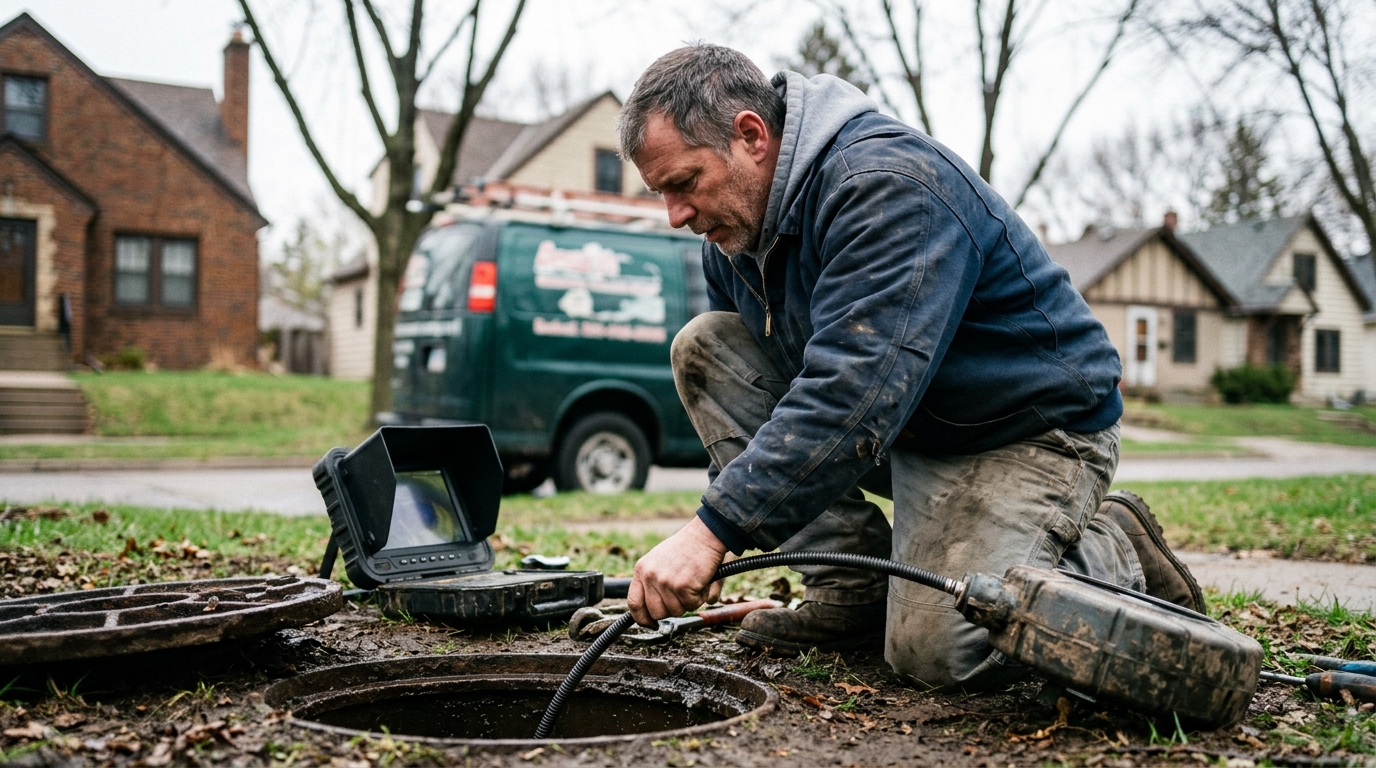
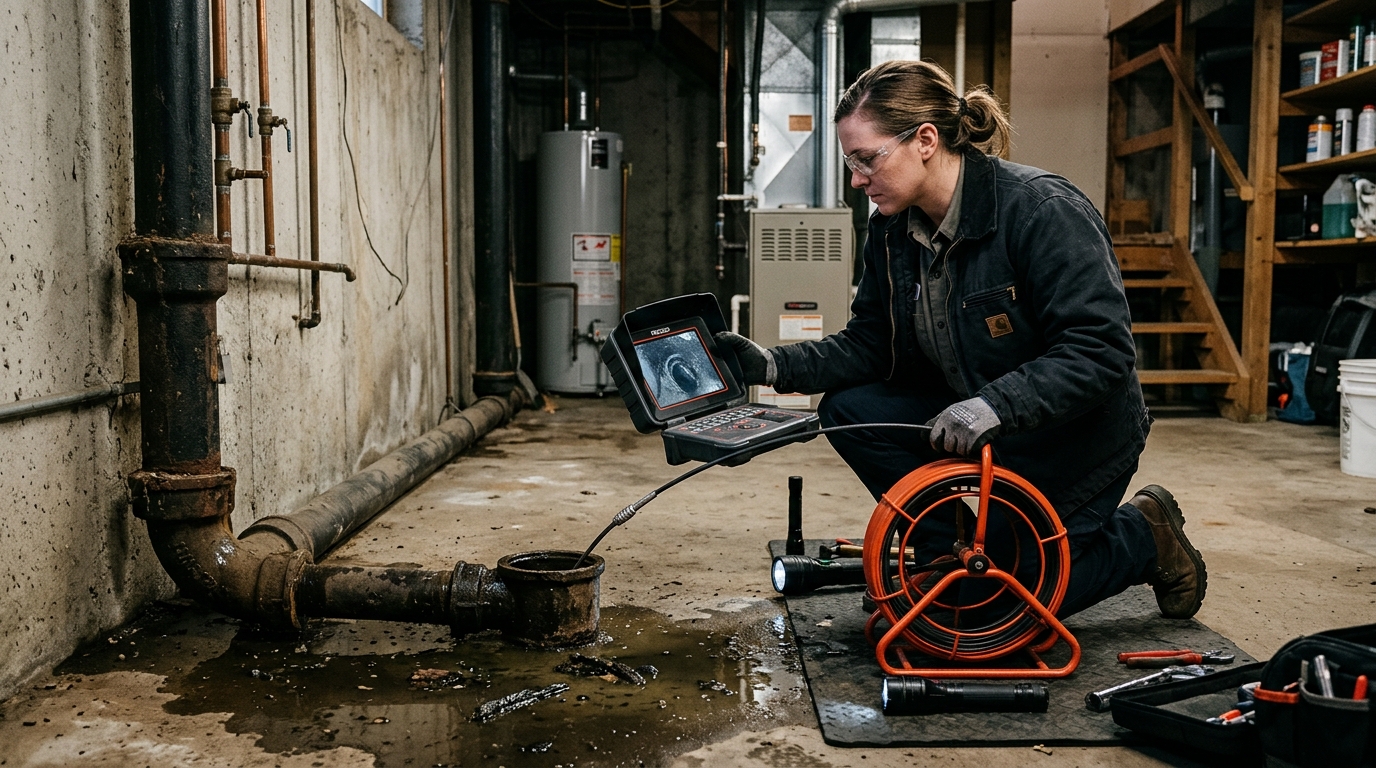
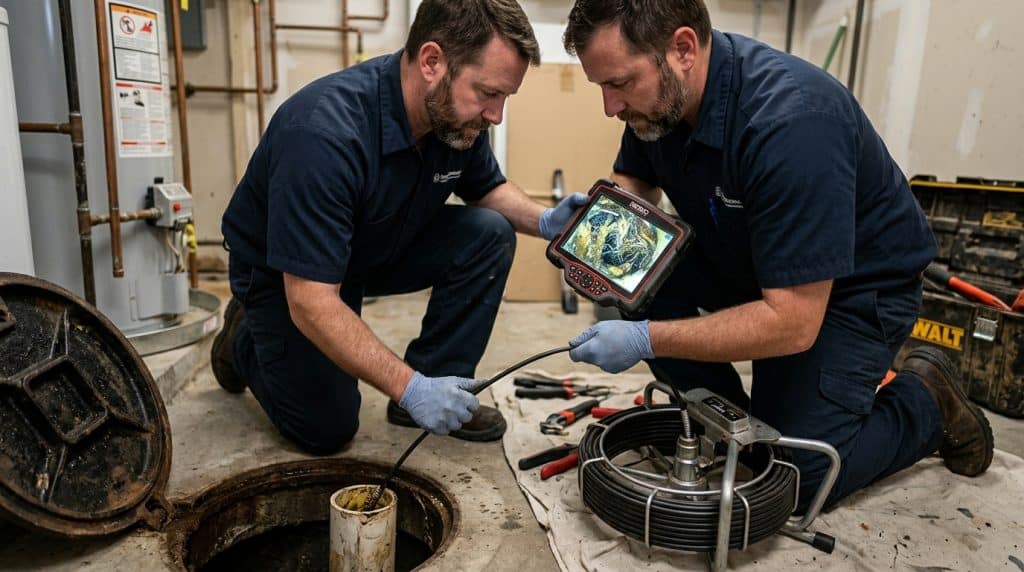
In such cases, a professional drain camera inspection becomes invaluable for diagnosing hidden drain problems. This non-invasive technique involves inserting a small, high-resolution camera into the drain to visually identify the exact location, nature, and extent of the blockage or damage, eliminating guesswork and ensuring a precise solution.
For stubborn blockages that P-trap cleaning cannot touch, advanced techniques like hydro jetting are often necessary. Hydro jetting uses high-pressure water streams to thoroughly scour the interior of pipes, effectively removing grease, scale, roots, and other tenacious obstructions that conventional methods cannot clear. If you find yourself repeatedly dealing with p-trap plumbing Minneapolis clogs, it’s a strong indicator that a deeper main line issue is at play, requiring professional intervention.
The benefits of professional drain cleaning extend beyond immediate clog removal, as it significantly contributes to preventing future P-trap related issues by ensuring the entire drain system flows freely. Our team at Right Away Sewer Cleaning specializes in these comprehensive solutions, ensuring your drains remain clear and functional.
Keep Your Minneapolis Drains Flowing Smoothly
The P-trap, though small, is a mighty component in your home’s plumbing, crucial for maintaining hygiene, preventing odors, and catching debris. Understanding its function and recognizing the signs of trouble are key steps for any homeowner.
While some minor issues can be addressed with DIY maintenance, the value of proactive care and timely professional intervention cannot be overstated. When problems persist or indicate deeper issues, specialized expertise is essential.
At Right Away Sewer Cleaning, we are the local experts for comprehensive drain solutions that go beyond the P-trap, ensuring your entire plumbing system operates efficiently and reliably. We pride ourselves on doing the job right the first time, using modern equipment and proven methods to keep drains flowing smoothly.
Frequently Asked Questions
Do all drains need a P-trap?
Yes, virtually all plumbing fixtures that connect to a wastewater system are required by code to have a P-trap. This includes sinks, bathtubs, showers, and laundry tubs, as the P-trap’s water seal is essential for preventing sewer gases from entering your home.
Can a P-trap dry out?
Yes, a P-trap can dry out if a fixture is not used for an extended period, such as in a guest bathroom or a vacant property. When the water seal evaporates, it allows sewer gases to escape into the living space, causing foul odors.
How often should you clean a P-trap?
The frequency of P-trap cleaning depends on usage; high-use sinks, especially in kitchens or bathrooms with long hair, may benefit from annual or bi-annual cleaning. For less-used fixtures, cleaning every few years or when slow drainage occurs is generally sufficient.
What are the different types of P-traps and their applications?
P-traps are primarily categorized by material, such as PVC, ABS, or chrome-plated brass, and by their connection type (slip-joint or solvent-welded). While the basic “P” shape remains consistent, the material choice often depends on local plumbing codes, aesthetic preference, and the specific application’s durability requirements.
What specific tools are needed for a homeowner to safely clean a P-trap?
To safely clean a P-trap, a homeowner typically needs a bucket to catch water, a pair of channel-lock pliers or an adjustable wrench for slip nuts, and a stiff brush or a bent coat hanger for removing debris. Safety gloves and eye protection are also recommended.
What are the most common mistakes homeowners make when trying to fix a P-trap?
Common mistakes include overtightening plastic slip nuts, leading to cracks, or not properly aligning the trap during reassembly, which causes leaks. Using harsh chemical drain cleaners that can damage the trap or pipes, and failing to place a bucket underneath before disassembly, are also frequent errors.
Addressing Your Drain Issues in Minneapolis
Understanding the vital role of your home’s P-trap is the first step in maintaining a healthy and functional plumbing system. While some minor issues can be resolved with simple maintenance, persistent problems often signal a need for professional attention to prevent more significant complications.
At Right Away Sewer Cleaning, we specialize in diagnosing and resolving all types of drain issues, from stubborn P-trap clogs to complex main line blockages. Our experienced team uses advanced techniques and equipment to ensure your drains are clear, providing fast, reliable, and affordable solutions for Minneapolis homeowners.
Experiencing slow drains or foul odors from your P-trap? Contact Right Away Sewer Cleaning for fast, reliable drain cleaning services in Minneapolis.