Every Minneapolis homeowner eventually faces the frustrating reality of a clogged drain. While a simple plunger might offer a temporary fix for minor blockages, many homeowners find themselves repeatedly battling the same issue, especially as seasonal activities increase. Summer, with its heightened water usage from gardening, entertaining, and increased household activity, often brings a surge in more severe clogs. Understanding the limitations of DIY solutions is crucial, as a plunger can only address superficial obstructions.
Ignoring persistent clogs, or misdiagnosing their severity, invariably leads to bigger, more costly problems down the line. This highlights the critical need for professional clogged drain services in Minneapolis when home remedies fall short.
Key Signs You Need Professional Clogged Drain Services
Recognizing the subtle yet critical indicators of a serious drain problem can save homeowners significant hassle and expense. A “slow drain” isn’t always just an inconvenience; it can be the initial warning sign of a developing blockage deep within your plumbing system. While a sink that drains slightly slower than usual might just need a simple cleaning, a drain that consistently takes minutes to clear, or one where water visibly backs up before slowly receding, indicates a more substantial obstruction that DIY methods are unlikely to resolve.
The sound test provides another crucial diagnostic clue. Gurgling noises emanating from other fixtures when you flush a toilet or run a faucet are a strong indicator of negative air pressure in your drain lines, often caused by a significant blockage. For instance, if your shower drain gurgles when the toilet is flushed, it suggests that air is being pulled through the shower trap due to a partial vacuum created by water moving past a clog further down the system.
Similarly, unpleasant odors, particularly those resembling sewage or stagnant water, signal more than just a dirty drain. These smells often indicate decomposing organic matter trapped within the pipes, which can lead to bacterial growth and potential health hazards if not addressed promptly.
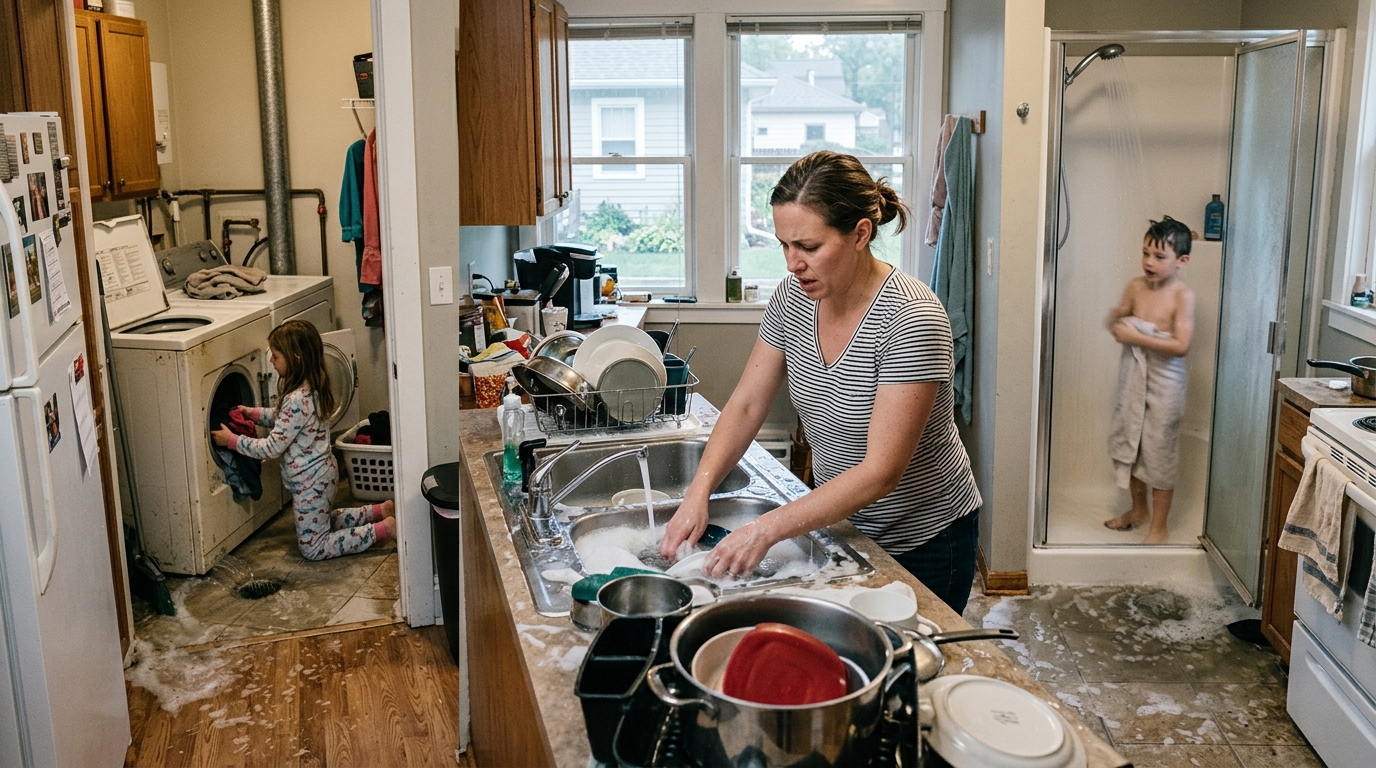
Water backing up is an immediate red flag, especially in specific scenarios. If water backs up into a sink, tub, or shower after using another fixture, it points to a severe blockage in a shared drain line. Furthermore, when multiple fixtures throughout your home are experiencing clogs simultaneously—for example, a slow kitchen sink, a gurgling toilet, and a backed-up shower—this almost invariably signifies a main line issue. These are definitive signs of a serious drain clog that requires the specialized tools and expertise that professional clogged drain services in Minneapolis can provide.
Common Causes of Stubborn Clogs in Minneapolis Homes
Understanding the root causes of persistent clogs helps homeowners prevent future issues and recognize when professional intervention is necessary. One of the most frequent culprits in bathroom drains is the accumulation of hair and soap scum. Over time, shed hair combines with the sticky residue from soaps, shampoos, and conditioners to form dense, impenetrable mats that cling to pipe walls, gradually constricting water flow until a complete blockage occurs.
Kitchen drains, conversely, are often plagued by grease and food particles. Pouring cooking oils, fats, and grease down the sink allows them to cool and solidify within the pipes, creating a sticky base to which food scraps, coffee grounds, and other debris adhere. This buildup narrows the pipe’s diameter, leading to increasingly slow drainage and eventual blockages. Even seemingly harmless “flushable” wipes contribute significantly to drain issues, as they do not break down in water like toilet paper and instead accumulate into large, resilient clogs.
Beyond these common household culprits, external factors can also lead to severe drain problems. Tree roots are a major cause of main sewer line blockages, particularly in older Minneapolis homes with mature trees. Roots naturally seek out moisture and nutrients, infiltrating tiny cracks or loose joints in underground pipes and growing into dense masses that obstruct the flow of wastewater. Additionally, mineral buildup from hard water can gradually coat the interior of pipes, reducing their effective diameter and creating rough surfaces where debris can easily snag and accumulate, exacerbating existing problems.
The Dangers of DIY Drain Cleaning Methods
While the temptation to tackle a clogged drain yourself is understandable, many common DIY methods carry significant risks that can worsen the problem or damage your plumbing system. Chemical drain cleaners, for instance, are highly corrosive and often ineffective against severe clogs. These harsh chemicals can sit in standing water, slowly eating away at PVC pipes, corroding metal fixtures, and even damaging older cast iron lines. Furthermore, if the chemical doesn’t clear the clog, it creates a hazardous situation for anyone attempting to clear the drain manually afterward, as they risk exposure to caustic substances.
Using improper tools, such as coat hangers or non-specialized drain snakes, can also lead to serious complications. A coat hanger, while seemingly innocuous, can push a partial clog further into the pipe, making it more difficult to reach and remove. It can also scratch the interior of pipes, creating rough spots where future debris can more easily accumulate, or even puncture older, weakened pipes, leading to leaks. Similarly, an improperly used drain snake can get stuck in the pipe, requiring professional removal, or damage the pipe’s internal structure.
Perhaps the greatest danger of DIY attempts is the misdiagnosis of the problem. What appears to be a simple sink clog could actually be a symptom of a much larger issue, such as a main sewer line blockage or a compromised pipe. Attempting to clear a main line clog with a small hand snake, for example, will be futile and can even compact the blockage, making it harder for professionals to clear. These missteps often result in more extensive damage, higher repair costs, and prolonged disruption, underscoring why professional assessment and intervention are often the safest and most effective course of action.
When to Call Right Away Sewer Cleaning for Clogged Drain Services
Knowing precisely when to abandon DIY efforts and call in the experts is crucial for protecting your home’s plumbing system. If you’ve tried a plunger and the clog persists, or if the drain clears only to clog again shortly thereafter, it’s a clear signal that the problem is beyond a simple surface obstruction. Recurring clogs often indicate a deeper issue, such as significant buildup within the pipes or a partial main line blockage that requires specialized equipment to address effectively.
Any signs of a main line blockage should prompt an immediate call to professionals. These include multiple clogged fixtures, water backing up into unexpected places (like a shower filling with toilet water), or sewage odors emanating from drains. A main line clog affects your entire home’s drainage system and can quickly lead to raw sewage backing up into your living spaces, posing serious health risks and causing extensive property damage. Our team at Right Away Sewer Cleaning has the expertise to diagnose and resolve these complex issues efficiently.
Furthermore, if you suspect a broken or damaged pipe, perhaps due to unusual sounds, persistent damp spots, or sudden drops in water pressure, professional assessment is non-negotiable. Attempting to clear a clog in a compromised pipe can exacerbate the damage, leading to leaks, bursts, and costly structural repairs. We utilize advanced diagnostic tools, such as hydro jetting, to accurately locate and address the problem without causing further harm, ensuring that your plumbing system is restored safely and effectively.
Our Professional Approach to Clogged Drain Services Minneapolis
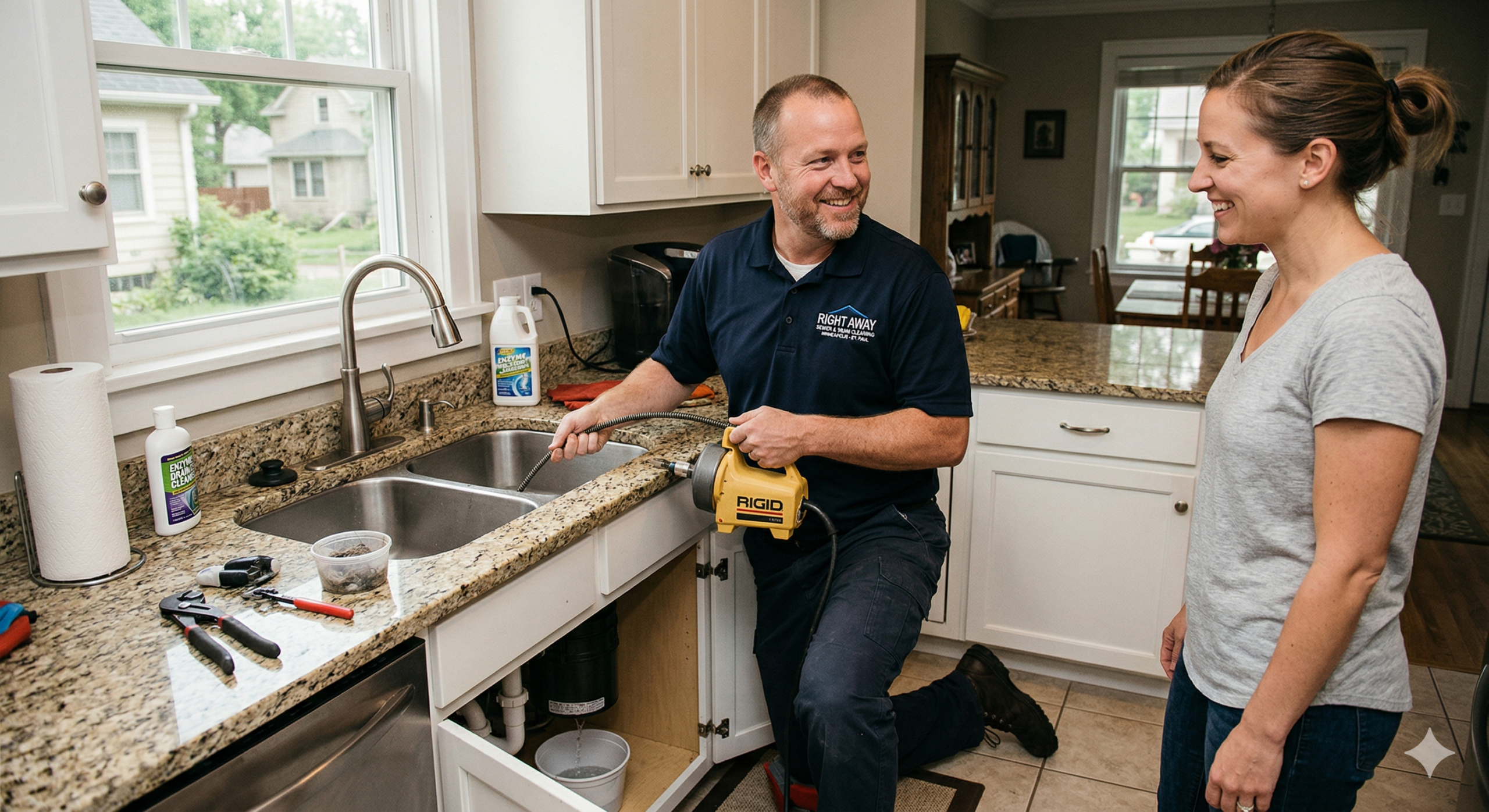
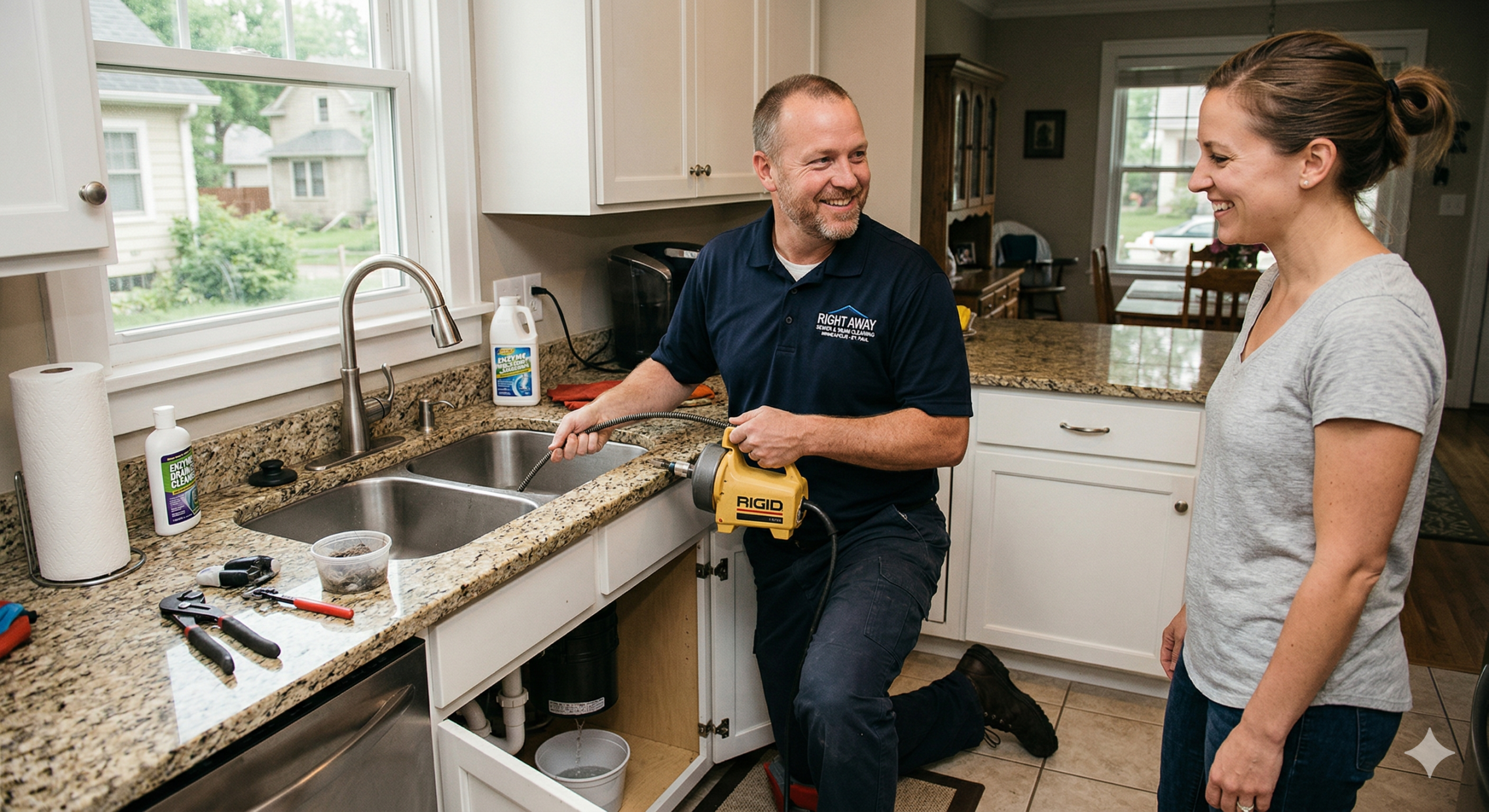
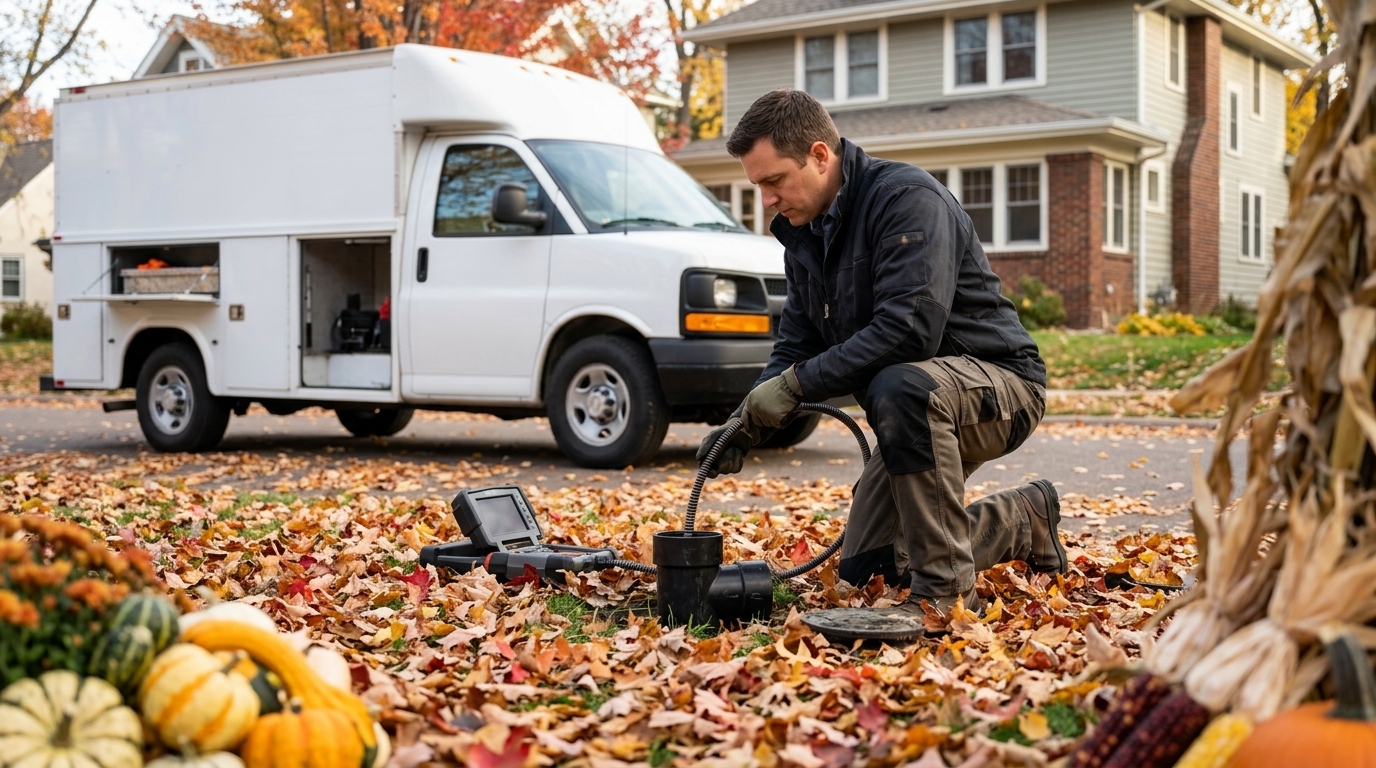
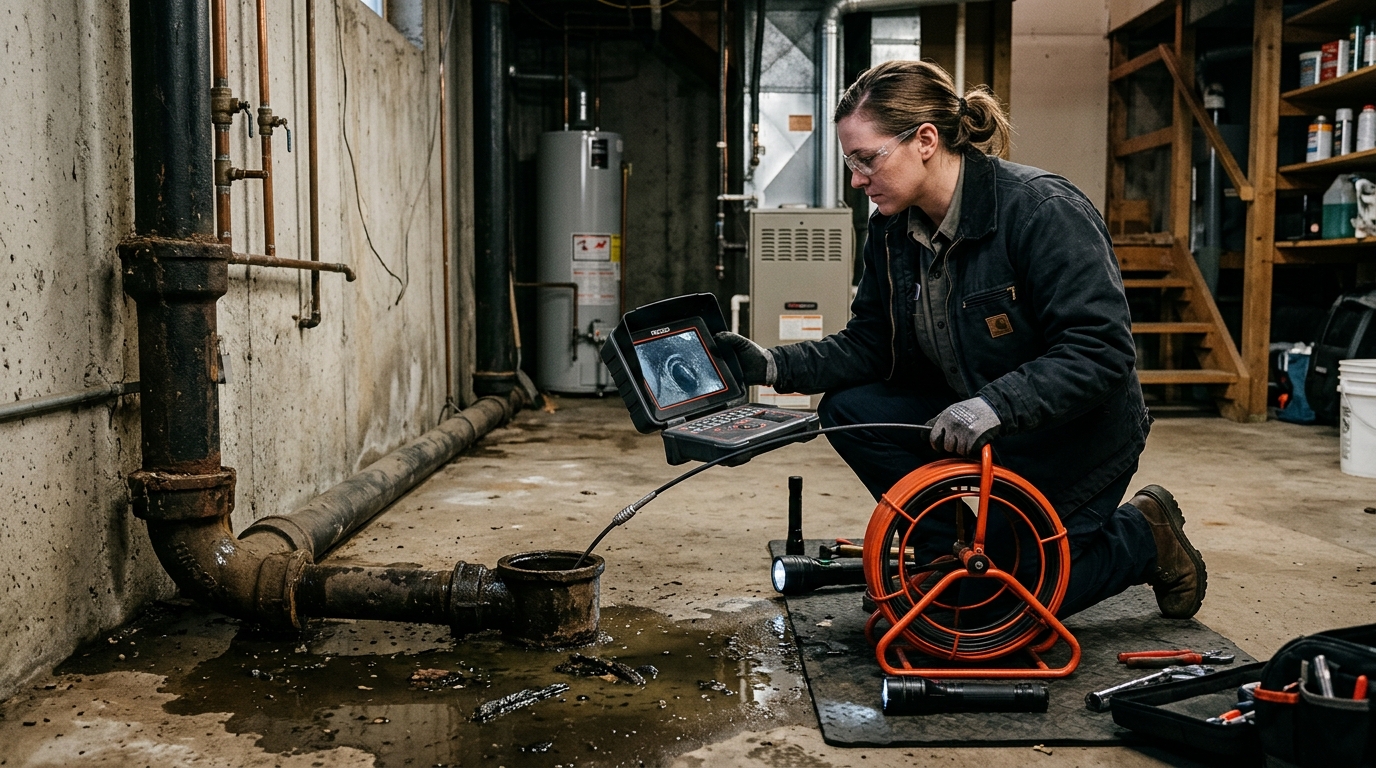
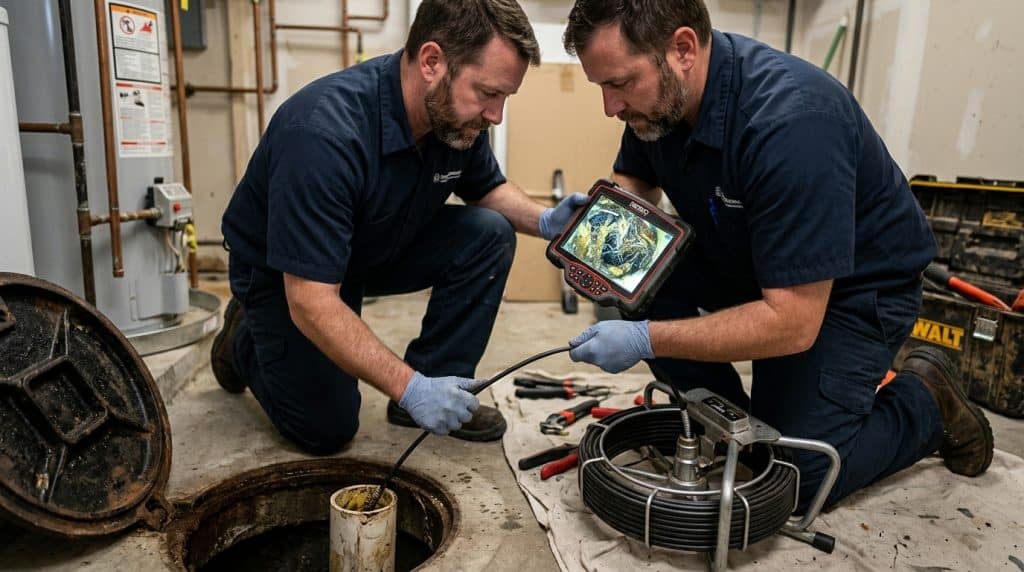
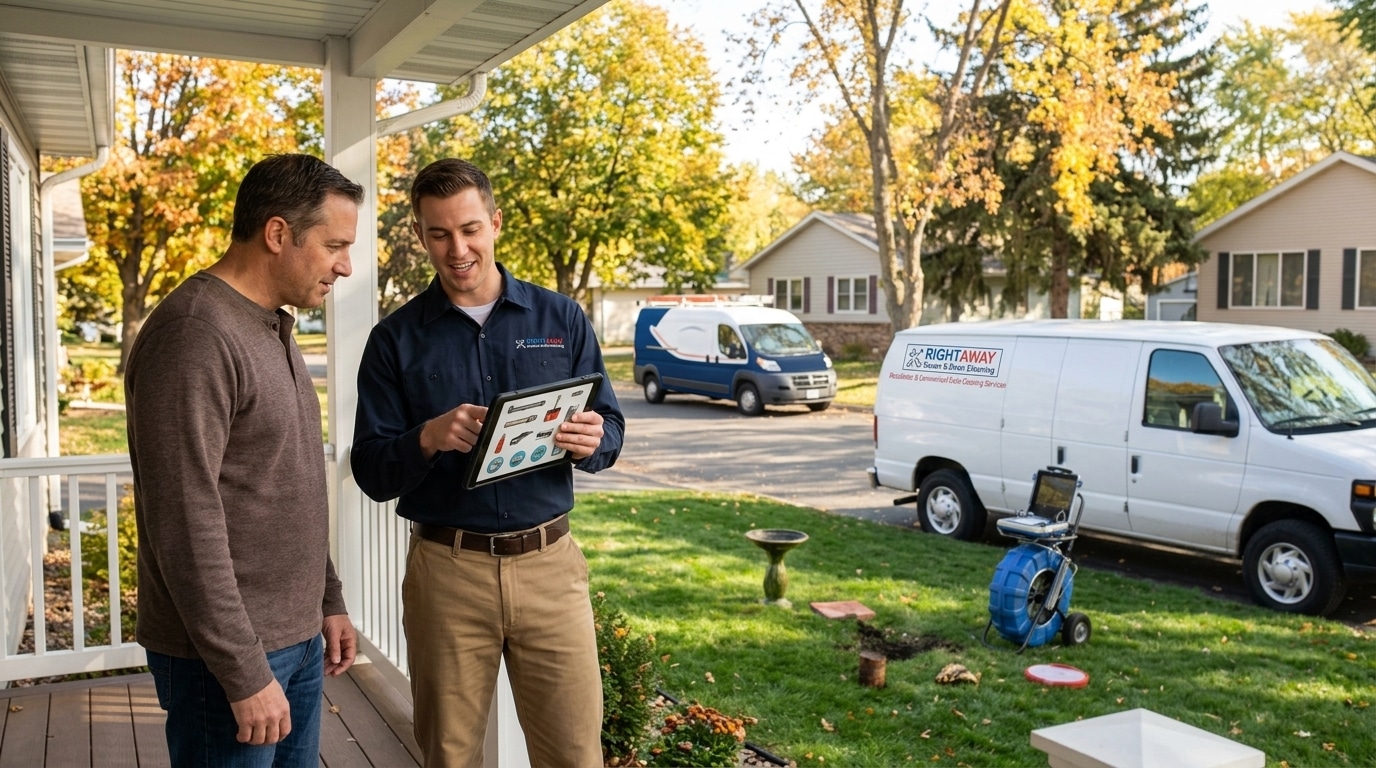
At Right Away Sewer Cleaning, our approach to resolving stubborn clogs goes far beyond simply clearing the immediate blockage. We begin every service with a thorough diagnostic process to accurately identify the cause and location of the clog. This often involves using advanced camera inspection technology, which allows us to visually examine the interior of your pipes without invasive digging. This precise diagnosis ensures that we apply the most effective and least disruptive solution, whether it’s a simple snaking or a more intensive cleaning method.
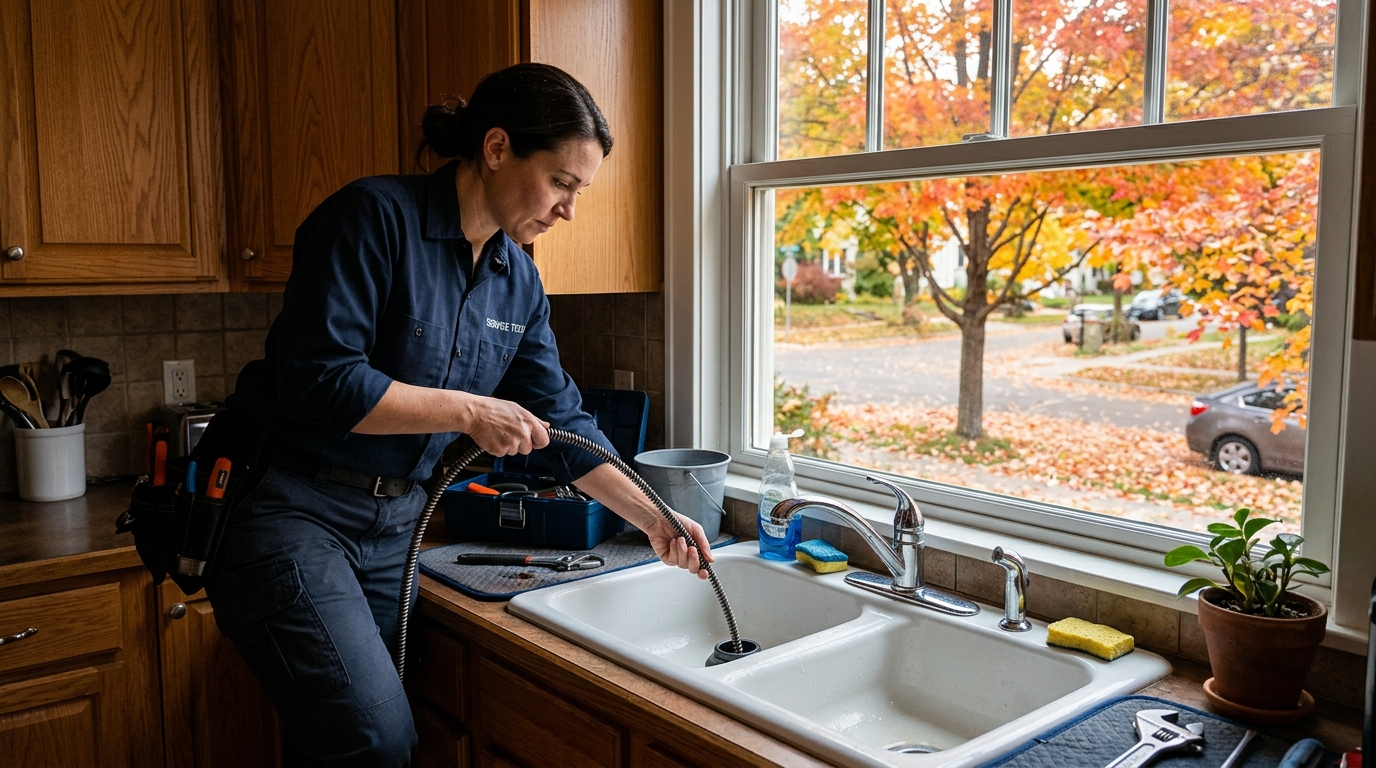
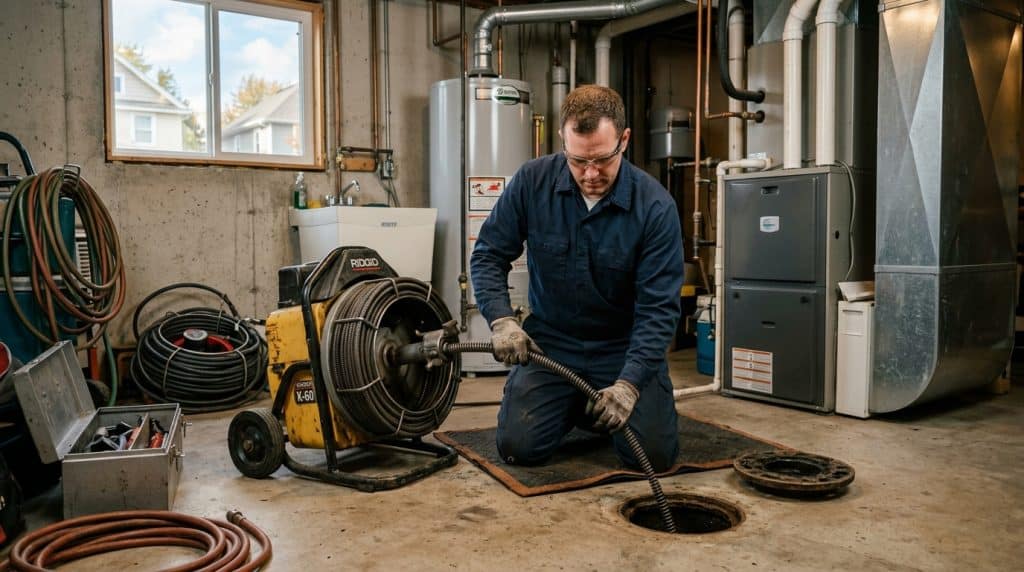
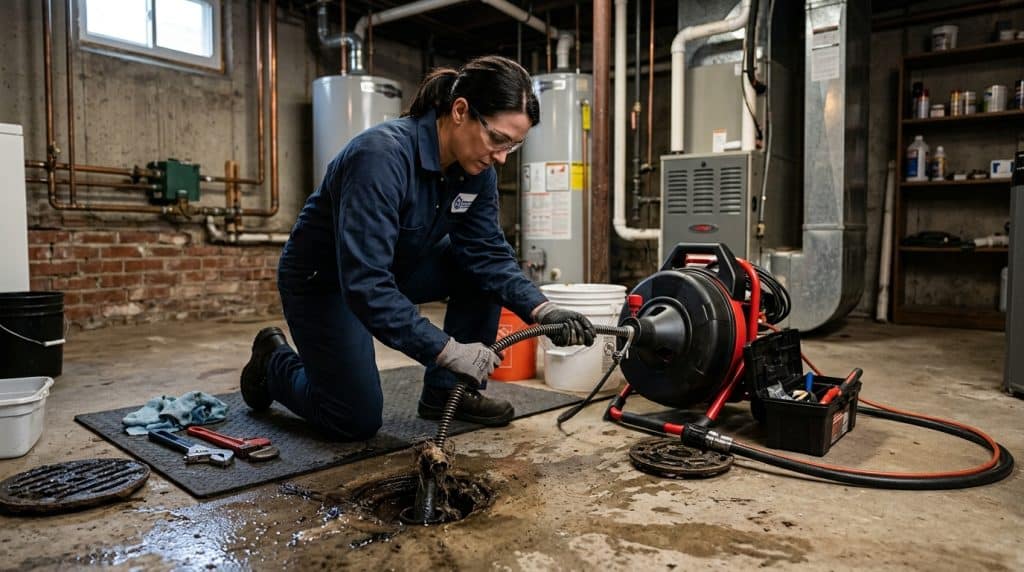
Once the problem is identified, we employ a range of professional-grade tools and techniques tailored to the specific type and severity of the clog. For common blockages like hair and grease, our powerful drain snakes can cut through obstructions and retrieve debris, restoring flow. For more severe or deeply embedded clogs, especially those in main sewer lines, we often utilize hydro jetting. This highly effective method uses high-pressure water streams to scour the interior of pipes, removing years of accumulated grease, scale, and even tree roots, leaving pipes thoroughly clean and significantly reducing the likelihood of future clogs.
Our commitment extends to providing lasting solutions and preventative advice. After clearing a clog, we offer recommendations for maintaining clear drains, such as proper disposal practices for grease and food waste, and the use of drain strainers. We understand the unique challenges faced by homeowners in Minneapolis, and our experienced technicians are equipped to handle everything from routine sink clogs to complex main line drain cleaning, ensuring that your plumbing system operates smoothly and efficiently for years to come. We pride ourselves on doing the job right the first time, providing fast, friendly, and affordable clogged drain services in Minneapolis.
Preventative Measures to Avoid Future Clogs
Proactive maintenance is the most effective strategy for preventing future drain clogs and avoiding the inconvenience and expense of emergency repairs. In the kitchen, it’s essential to be diligent about what goes down the drain. Never pour cooking grease, oils, or fats directly into the sink; instead, allow them to cool and solidify, then scrape them into the trash. Similarly, use a drain strainer to catch food particles before they enter your plumbing system, and dispose of coffee grounds and fibrous vegetable scraps in the compost or garbage, not the drain.
Bathroom drains also benefit significantly from preventative measures. Installing hair catchers in showers and tubs is a simple yet highly effective way to prevent hair from accumulating and forming clogs. Regularly flushing drains with hot water can help to dislodge minor buildup, though this is not a substitute for professional cleaning. It’s also wise to be mindful of what you flush down toilets; only human waste and toilet paper should ever enter the sewer system. Items like “flushable” wipes, cotton balls, dental floss, and feminine hygiene products should always be disposed of in the trash.
Beyond daily habits, consider scheduling periodic professional drain inspections, especially if your home has older plumbing or mature trees nearby. A professional inspection can identify potential issues, such as developing clogs or tree root intrusion, before they escalate into major problems. This proactive approach allows for targeted maintenance, like a routine hydro jetting service, to keep your pipes clear and flowing freely, significantly extending the lifespan of your plumbing system and preventing unexpected disruptions.
FAQ
How often should I have my drains professionally cleaned?
The frequency of professional drain cleaning largely depends on your home’s usage, the age of your plumbing system, and your household habits. For most Minneapolis homes, an annual or bi-annual professional cleaning is a good preventative measure, especially for main sewer lines. However, if you experience frequent slow drains, recurring clogs, or have older pipes or mature trees on your property, more frequent cleaning might be advisable to prevent major blockages and costly repairs.
Can I use natural remedies like baking soda and vinegar to clear a clog?
While baking soda and vinegar can be effective for very minor clogs or for freshening drains, they are generally not powerful enough to clear significant blockages caused by hair, grease, or foreign objects. This combination creates a mild fizzing action that can help dislodge some debris, but it lacks the corrosive strength of chemical cleaners or the mechanical force of professional tools. For persistent or severe clogs, relying solely on natural remedies will likely be ineffective and can delay addressing a more serious underlying issue.
What should I do if my main sewer line is clogged?
If you suspect a main sewer line is clogged, the most important step is to stop using all water-consuming fixtures in your home immediately. This includes toilets, sinks, showers, and washing machines, as continued use will only exacerbate the backup of sewage into your home. Next, contact a professional drain cleaning service like Right Away Sewer Cleaning without delay. Main line clogs are complex and require specialized equipment, such as powerful augers or hydro jetting, to safely and effectively clear the obstruction and prevent extensive property damage.
Understanding when to call for professional clogged drain services is key to maintaining a healthy plumbing system and avoiding costly repairs. While DIY methods offer temporary relief for minor issues, persistent or severe clogs demand the expertise and specialized equipment that only professionals can provide. Recognizing the signs of a serious blockage and acting promptly can save you significant time, money, and stress in the long run.
At Right Away Sewer Cleaning, we pride ourselves on delivering fast, reliable, and affordable solutions for all your drain and sewer needs. Our experienced technicians use advanced diagnostic tools and proven methods to accurately identify and resolve even the most stubborn clogs, ensuring your plumbing system is restored to optimal function. We are committed to providing quality service with honest pricing and friendly support, doing the job right the first time.