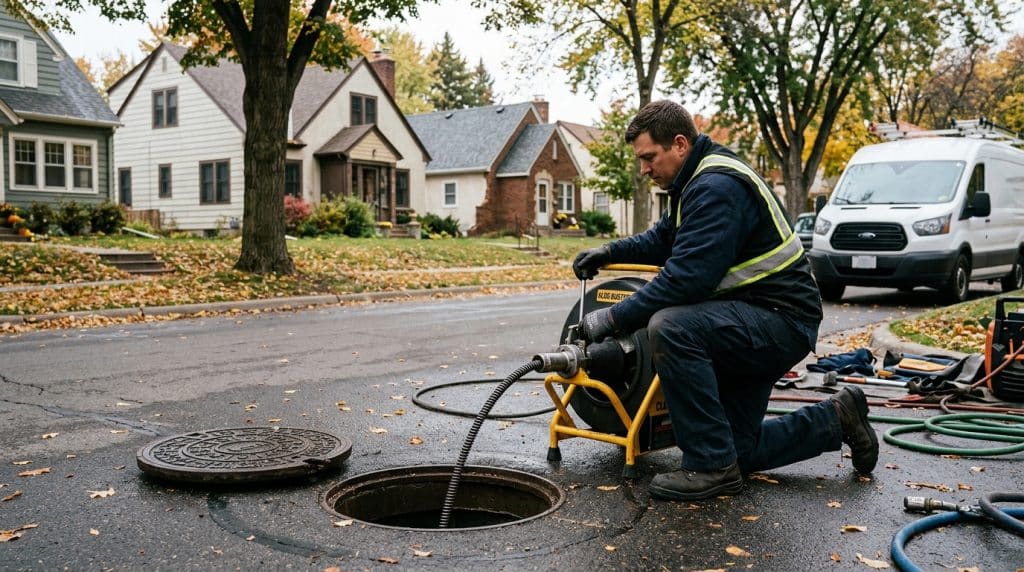

As Minneapolis homeowners embrace summer, outdoor cooking and entertaining often lead to increased kitchen activity, which can unfortunately result in stubborn drain clogs. Grease, food particles, and other debris frequently find their way into plumbing systems, causing slow drains or complete blockages. Understanding the common culprits and implementing effective prevention strategies is crucial for maintaining a smoothly functioning kitchen, especially when considering professional drain cleaning in Minneapolis.
Addressing these issues proactively can save you from inconvenient backups and costly emergency repairs. This guide will provide practical advice on keeping your kitchen drains clear throughout the season, highlighting when professional intervention becomes necessary.
Understanding Common Kitchen Drain Clogs in Minneapolis Homes
Kitchen drains are particularly susceptible to clogs due to the constant flow of food waste, oils, and detergents. In Minneapolis, where homes range from historic to modern, plumbing systems can vary, but the fundamental causes of kitchen drain blockages remain consistent.
The accumulation of these substances over time creates a sticky, solid mass that restricts water flow, eventually leading to a complete blockage. Recognizing these common culprits is the first step in effective prevention and maintenance.
Grease and Oil Buildup
Grease and cooking oils are arguably the most significant contributors to kitchen drain clogs. While they may appear liquid when hot, they solidify as they cool, adhering to the interior walls of your pipes.
This sticky residue then acts as a magnet for other debris, gradually narrowing the pipe’s diameter. Over time, this buildup can become incredibly dense and resistant to simple DIY solutions, necessitating professional intervention for proper kitchen drain cleaning in Minneapolis.
Food Particles and Scraps
Even with garbage disposals, small food particles like coffee grounds, rice, pasta, and vegetable peels can bypass the grinding mechanism and accumulate in the drain. These items, especially when combined with grease, create a thick sludge that can quickly impede water flow.
Starchy foods, in particular, tend to expand when wet, exacerbating the problem. Proper disposal of food waste is essential to prevent these particles from contributing to blockages.
Soap Scum and Detergent Residue
The fats and chemicals in dish soap and detergents can also contribute to drain issues. Over time, soap scum can build up on pipe walls, creating a film that traps other debris.
This residue, while less dense than pure grease, still contributes to the overall narrowing of the drainpipe. Using excessive amounts of detergent can accelerate this process, making regular maintenance even more important.
DIY Strategies for Preventing Kitchen Drain Clogs
Preventing kitchen drain clogs often starts with simple, consistent habits that homeowners can implement daily. These strategies are not only cost-effective but also significantly extend the lifespan of your plumbing system, reducing the need for emergency services.
By being mindful of what goes down your drain, you can avoid many common blockages. Incorporating these practices into your routine will help keep your kitchen drains flowing freely.
Proper Disposal of Grease and Food Waste
The most effective way to prevent grease-related clogs is to avoid pouring any fats, oils, or grease down the drain. After cooking, allow grease to cool and solidify in a container, then scrape it into the trash.
For food scraps, utilize a compost bin or dispose of them directly into the trash, even if you have a garbage disposal. While disposals are convenient, they are not designed to handle large quantities of fibrous or starchy foods, which can still contribute to blockages over time.
Regular Hot Water Flushes
Periodically flushing your drains with hot water can help break down minor grease and soap scum buildup before it becomes a significant problem. After washing dishes, let the hot water run for a minute or two to help push any lingering residue through the pipes.
For a more thorough flush, some homeowners opt for a mixture of boiling water and a cup of white vinegar, poured slowly down the drain. This combination can help dissolve fatty deposits and deodorize the drain, though it’s not a substitute for professional cleaning for severe clogs.
Using Drain Screens and Strainers
Installing drain screens or strainers in your kitchen sink is a simple yet highly effective preventative measure. These inexpensive devices catch food particles, hair, and other debris before they can enter your plumbing system.
Regularly emptying and cleaning these strainers ensures they remain effective. This small investment can prevent countless potential clogs and significantly reduce the frequency of needing professional kitchen drain cleaning services in Minneapolis.
When DIY Isn’t Enough: Recognizing Signs for Professional Kitchen Drain Cleaning Minneapolis
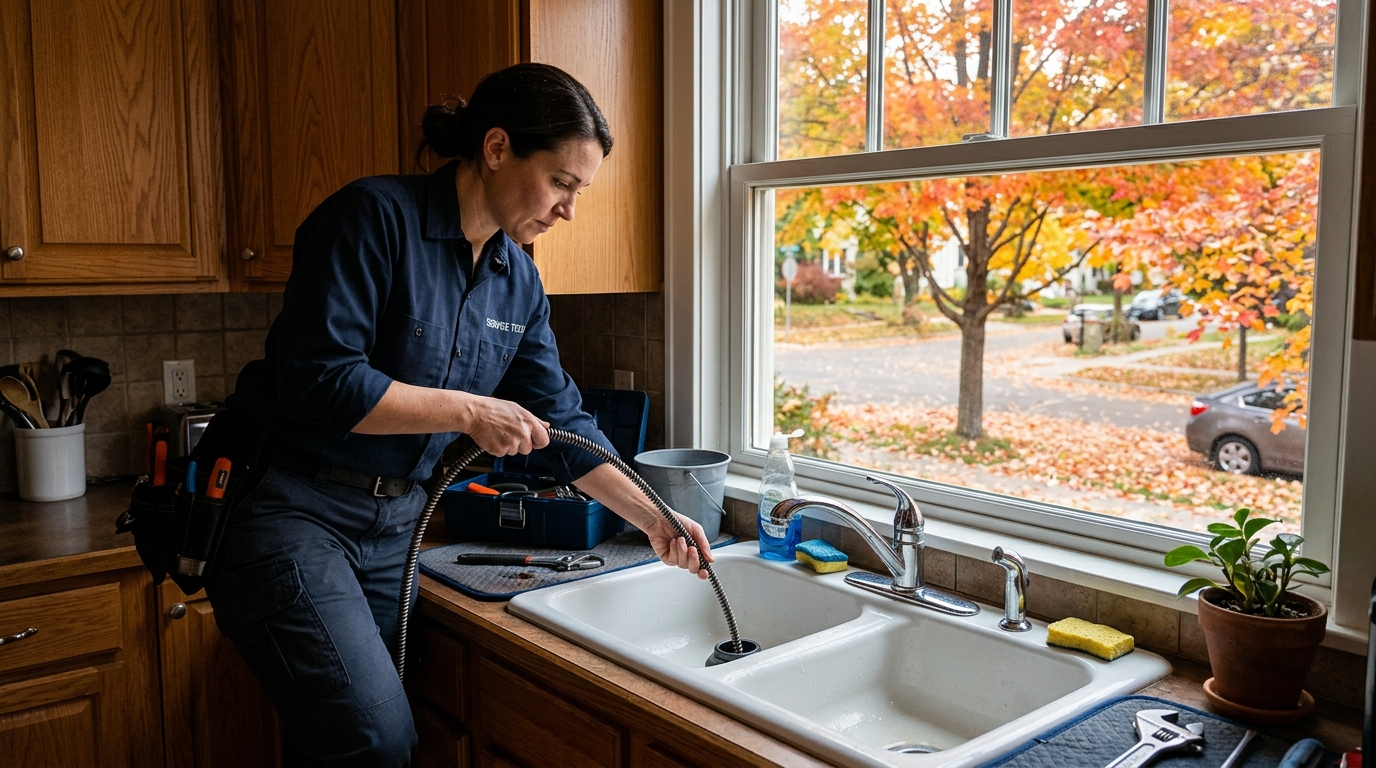
While preventative measures and minor DIY solutions can address many drain issues, there are clear indicators that signal the need for professional kitchen drain cleaning in Minneapolis. Ignoring these signs can lead to more severe plumbing problems, including burst pipes or extensive water damage.
Understanding when to call in the experts is crucial for maintaining the health of your home’s plumbing system. Professional services offer specialized tools and expertise that go beyond what any homeowner can achieve.
Slow Drains and Recurring Clogs
A consistently slow-draining sink, even after attempts at DIY clearing, is a primary indicator of a deeper issue. This often suggests a significant accumulation of grease and debris further down the pipe that household plungers or chemical drain cleaners cannot reach.
If clogs are recurring frequently, it’s a strong sign that the problem isn’t just a surface blockage but a systemic issue requiring professional attention. Our team at Right Away Sewer Cleaning can diagnose the root cause and provide a lasting solution.
Unpleasant Odors from the Drain
Foul odors emanating from your kitchen drain are a clear sign of decaying food particles, grease, and bacteria trapped within the pipes. These smells indicate a buildup that is not only unpleasant but also a breeding ground for germs.
While some odors can be temporarily masked, a persistent smell suggests a significant accumulation that needs to be thoroughly cleaned out. Professional drain cleaning eliminates these organic materials, resolving the odor issue at its source.
Gurgling Noises and Water Backups
Gurgling sounds coming from your sink or other drains when water is running elsewhere in the house indicate trapped air in the plumbing system, often caused by a partial blockage. This means the water is struggling to pass through the pipes efficiently.
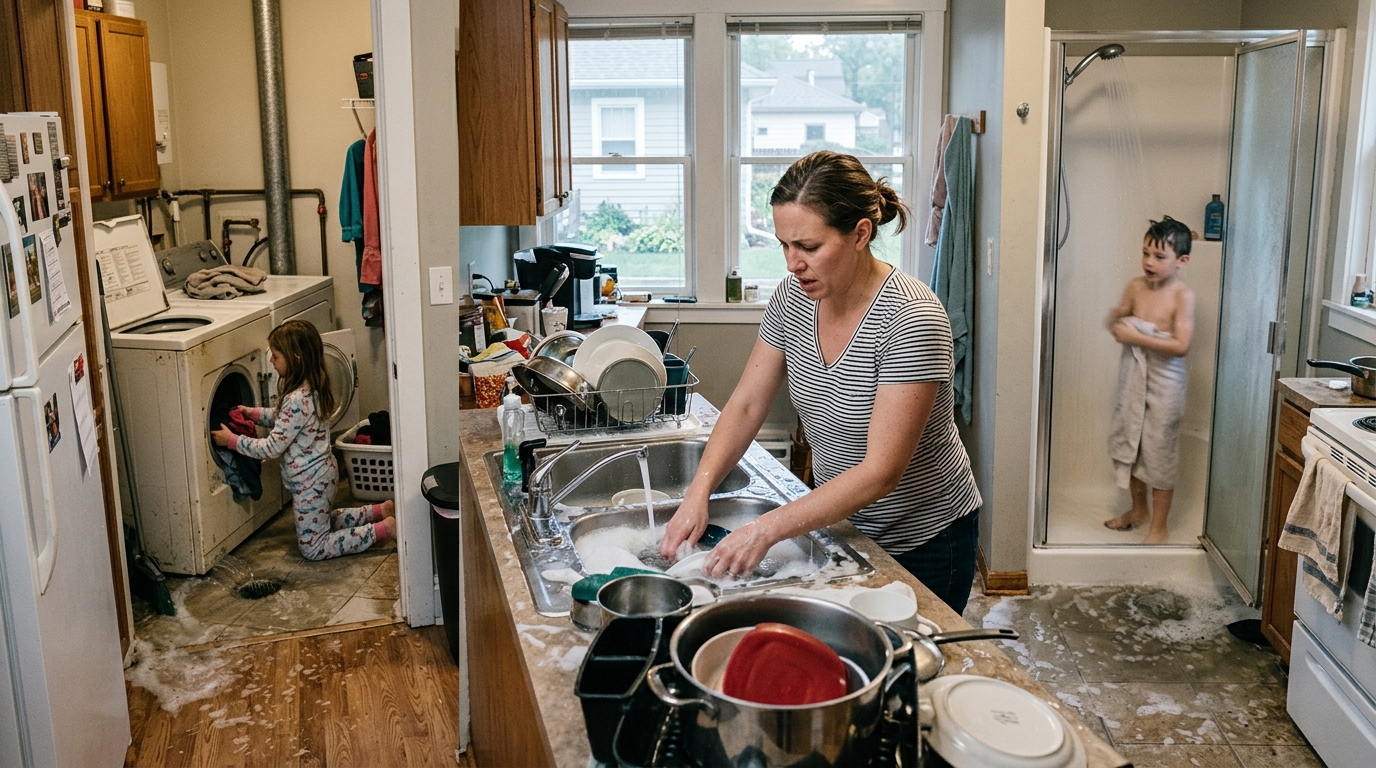
Water backing up into your sink is an undeniable sign of a severe blockage that requires immediate professional attention. This could indicate a clog in the main drain line, affecting multiple fixtures and potentially leading to significant overflow if not addressed promptly.
The Right Away Sewer Cleaning Approach to Kitchen Drain Cleaning
At Right Away Sewer Cleaning, we understand the unique challenges Minneapolis homeowners face with kitchen drain issues. Our approach combines experience, advanced technology, and a commitment to customer satisfaction to deliver effective and lasting solutions.
We pride ourselves on being a family-owned business known for fast, reliable, and affordable sewer and drain solutions, as many satisfied customers in the Minneapolis area can attest. Our goal is to get your drains flowing freely with minimal disruption to your daily life.
Advanced Diagnostic and Cleaning Techniques
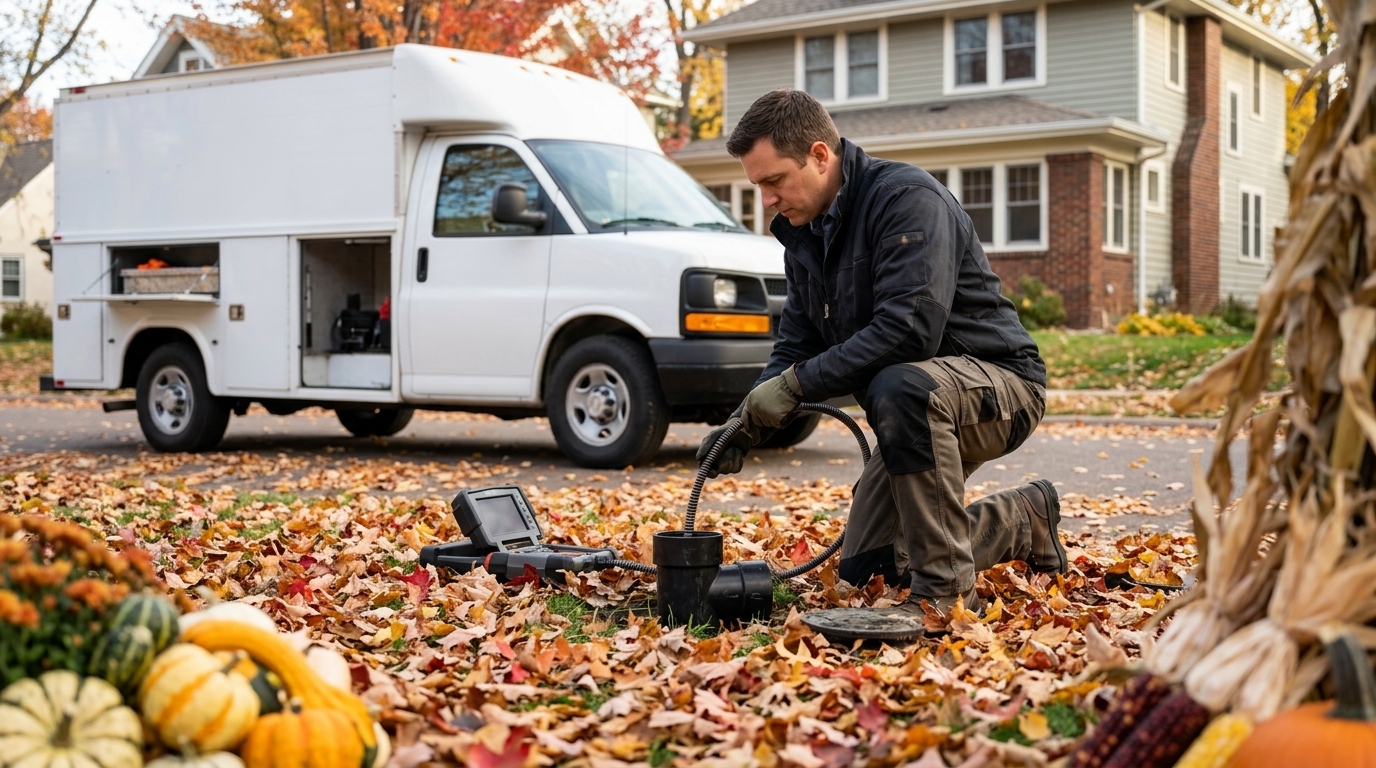
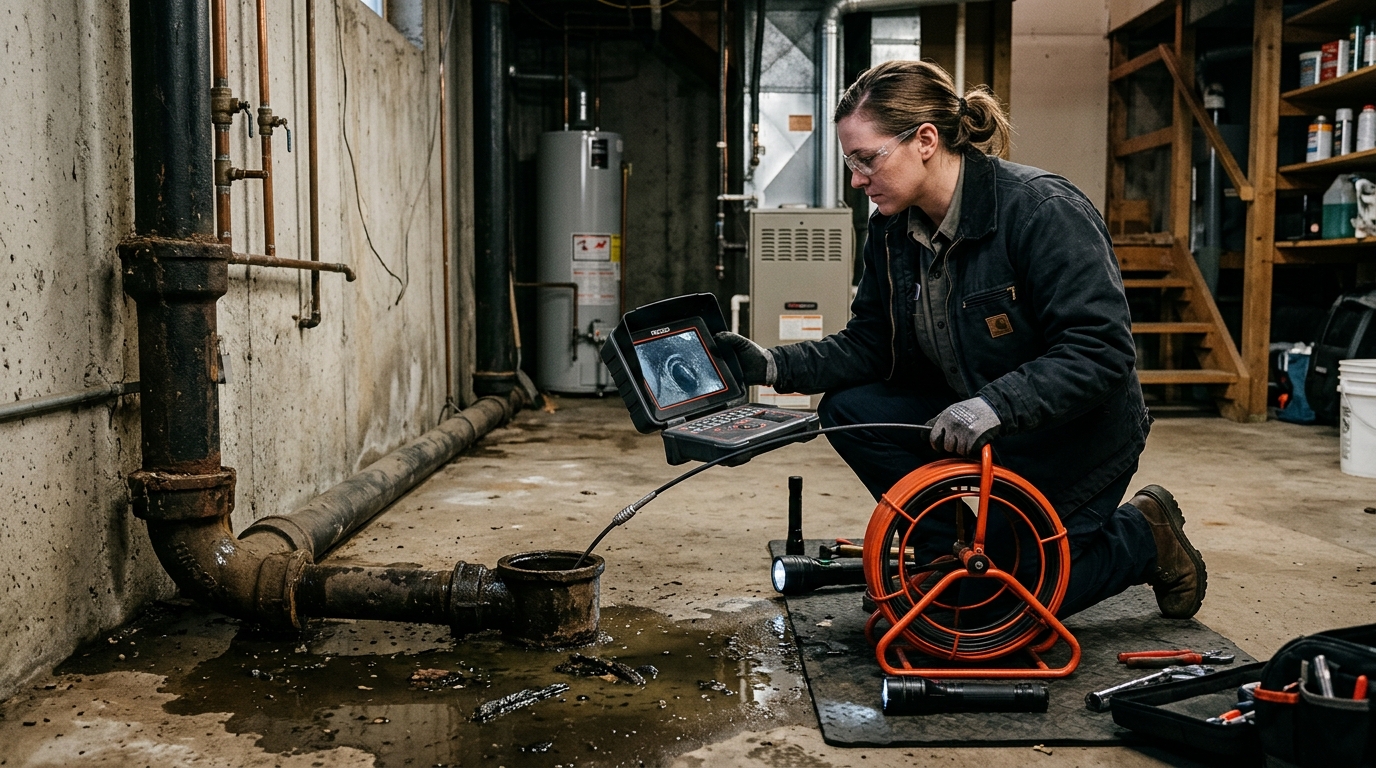
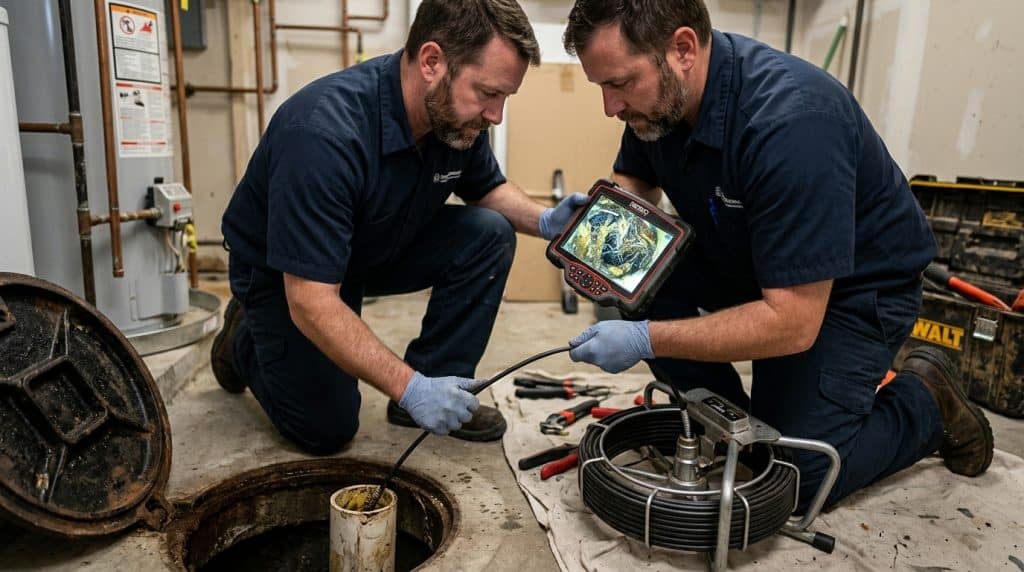
We utilize state-of-the-art diagnostic tools, such as sewer camera inspections, to accurately pinpoint the location and nature of the clog. This eliminates guesswork, allowing us to apply the most effective cleaning method directly to the problem area.
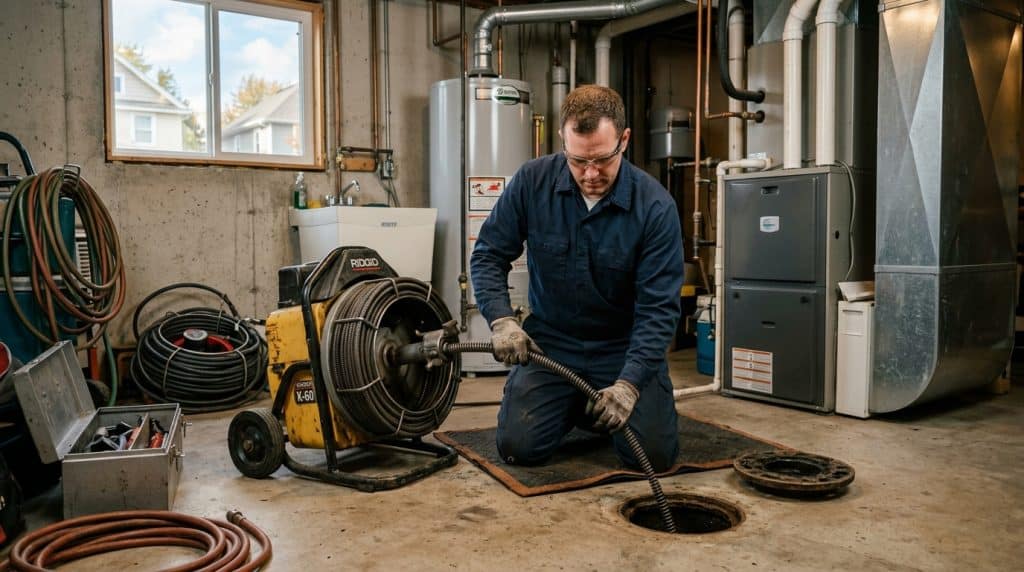
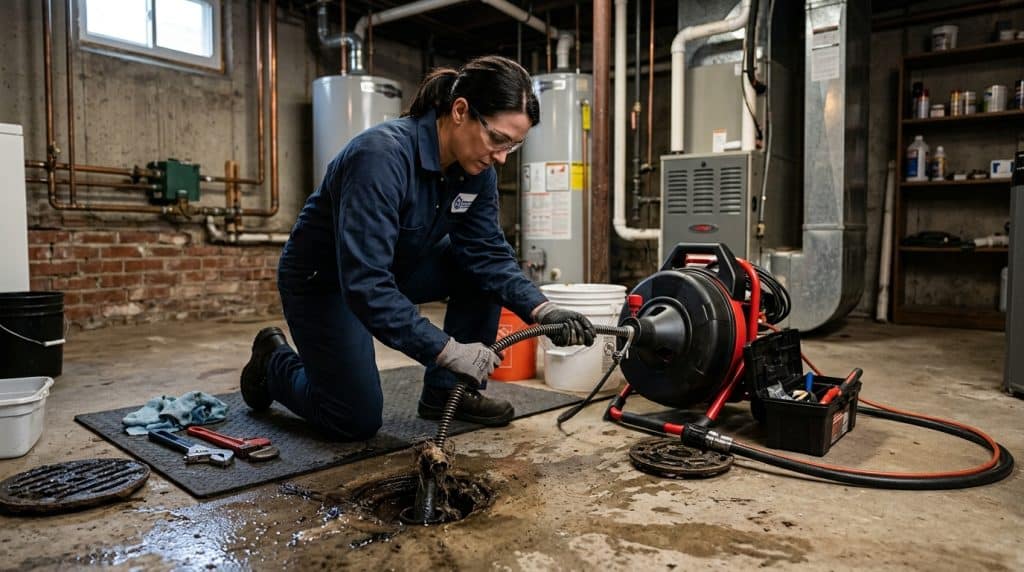
For tough kitchen clogs, we often employ hydro jetting, a powerful technique that uses high-pressure water streams to scour the inside of your pipes. This method effectively removes stubborn grease, food buildup, and other debris, leaving your pipes thoroughly cleaned and restored to optimal flow.
Preventative Maintenance and Expert Advice
Beyond clearing existing clogs, our technicians provide valuable advice on preventative maintenance tailored to your home’s specific plumbing system. We help you understand the best practices for drain care to minimize future blockages.
Our comprehensive service ensures that your kitchen drains remain clear and functional, giving you peace of mind. We believe in doing the job right the first time, preventing recurring issues and saving you from future headaches.
Seasonal Considerations for Kitchen Drain Cleaning in Minneapolis
The changing seasons in Minneapolis can influence the types and frequency of kitchen drain clogs. Summer, in particular, presents unique challenges due to increased outdoor activities and cooking habits.
Understanding these seasonal impacts allows homeowners to implement targeted prevention strategies. Being proactive can significantly reduce the likelihood of encountering a stubborn clog when you least expect it.
Summer Grilling and Grease Buildup
Summer often means more grilling and outdoor entertaining, which, paradoxically, can lead to more kitchen drain issues. The grease from grilled meats, marinades, and sauces frequently finds its way into the kitchen sink, even with careful disposal.
This increased volume of grease, combined with warmer temperatures that can keep it in a more liquid state for longer, allows it to travel further into your plumbing before solidifying. Regular flushing and diligent grease disposal are even more critical during these months to prevent significant blockages.
Holiday Entertaining and Increased Usage
While summer is a prime time for entertaining, other holidays throughout the year also bring increased kitchen activity. Large family gatherings often mean more cooking, more dishwashing, and consequently, more food waste and grease entering the drains.
Being mindful during these peak times can prevent inconvenient clogs. Consider a preventative drain cleaning before major holidays to ensure your plumbing system is ready to handle the extra demand.
Connecting Kitchen Drain Health to Overall Home Plumbing
The health of your kitchen drain is intricately linked to the overall functionality of your home’s plumbing system. A seemingly isolated kitchen clog can often be a symptom of a larger issue affecting your main sewer line or other drains.
Understanding this connection is vital for homeowners, as it highlights why addressing drain problems promptly and professionally is so important. Neglecting a persistent kitchen clog can escalate into more widespread and costly plumbing emergencies.
When a kitchen drain repeatedly clogs or drains slowly, it might indicate a partial blockage in the main sewer line that serves your entire home. Since all household drains eventually converge into the main line, a blockage there will manifest in the lowest or most frequently used drains first, which often includes the kitchen sink.
Signs like multiple fixtures draining slowly, gurgling toilets, or water backing up into other drains when the kitchen sink is used are strong indicators that the problem extends beyond just the kitchen. In such cases, a comprehensive drain cleaning service, rather than just a localized fix, is necessary to restore proper flow throughout your home. Recognizing these signs you need your drains cleaned can prevent minor issues from becoming major emergencies.
FAQs About Kitchen Drain Cleaning Minneapolis
What are the risks of using chemical drain cleaners for kitchen clogs?
While chemical drain cleaners offer a quick fix, they pose several risks to your plumbing system and your health. These harsh chemicals can corrode pipes, especially older ones, leading to leaks or even burst pipes over time. Furthermore, if the chemical doesn’t clear the clog, it can sit in the pipe, creating a hazardous situation for anyone attempting to manually clear the drain later, including professional plumbers. It’s always safer and more effective to use natural methods or call a professional.
How often should I consider professional kitchen drain cleaning?
The frequency of professional kitchen drain cleaning depends on several factors, including your household’s cooking habits, the age of your plumbing system, and whether you experience recurring issues. For most Minneapolis homes, an annual or biennial professional cleaning can be a proactive measure to prevent severe clogs and maintain optimal drain health. If you notice persistent slow drains or odors, it’s wise to schedule a cleaning sooner rather than waiting for a complete blockage.
Can a garbage disposal cause drain clogs?
Yes, a garbage disposal can definitely contribute to drain clogs if not used properly. While designed to grind food waste, it’s not meant for all types of food or excessive quantities. Fibrous foods like celery, potato peels, or corn husks, as well as starchy items like pasta and rice, can overwhelm the disposal and accumulate in the drain line. Additionally, pouring grease down a disposal is just as detrimental as pouring it directly down the drain, as it will solidify and trap other particles.
Maintaining clear kitchen drains is essential for a functional and hygienic home, especially with the increased activity that summer entertaining brings. By understanding the common causes of clogs and implementing consistent preventative measures, you can significantly reduce the likelihood of experiencing blockages.
However, when DIY solutions fall short, professional intervention becomes invaluable. Our experienced team at Right Away Sewer Cleaning is equipped with the tools and expertise to tackle even the most stubborn clogs, ensuring your plumbing system operates smoothly and efficiently.
Don’t let a clogged drain disrupt your summer plans; contact us today for reliable kitchen drain cleaning services.