As a family-owned plumbing team serving the Twin Cities, we’ve seen just about everything when it comes to plumbing emergencies. From frozen pipes in the dead of winter to unexpected sewer backups during a heavy summer storm, these issues can cause significant damage if not addressed quickly.
This guide is designed to help homeowners and property managers understand common plumbing emergencies, how to respond in the crucial first few minutes, and when it’s time to call Right Away Sewer & Drain Cleaning for emergency repair.
1. Identifying a True Plumbing Emergency
Recognizing an emergency early can save you a lot of money and stress. It’s about knowing the difference between a minor inconvenience and a situation that threatens your property.
- Not an Emergency: A constantly running toilet or a slow-draining sink. These are annoyances that need fixing, but they won’t flood your home today.
- Definite Emergency: A burst pipe gushing water, a sudden drop in overall water pressure, or sewage backing up into your basement.
Unusual sounds coming from your pipes, like loud banging or gurgling, can also be a warning sign of impending issues, especially if accompanied by foul odors.
2. Immediate First Steps: Damage Control
When a plumbing emergency strikes, your immediate actions dictate how much water damage you’ll have to clean up later.
- Shut off the water: This is your absolute first priority. Most Twin Cities homes have a main shut-off valve located where the water line enters the house–usually in the basement near the water meter.
- Contain the spread: Use towels, buckets, or a wet/dry vacuum to soak up standing water.
- Prioritize electrical safety: Never touch standing water near electrical outlets or plugged-in appliances. If it’s safe to do so, flip the breaker to the affected area.
3. Dealing with Burst Pipes
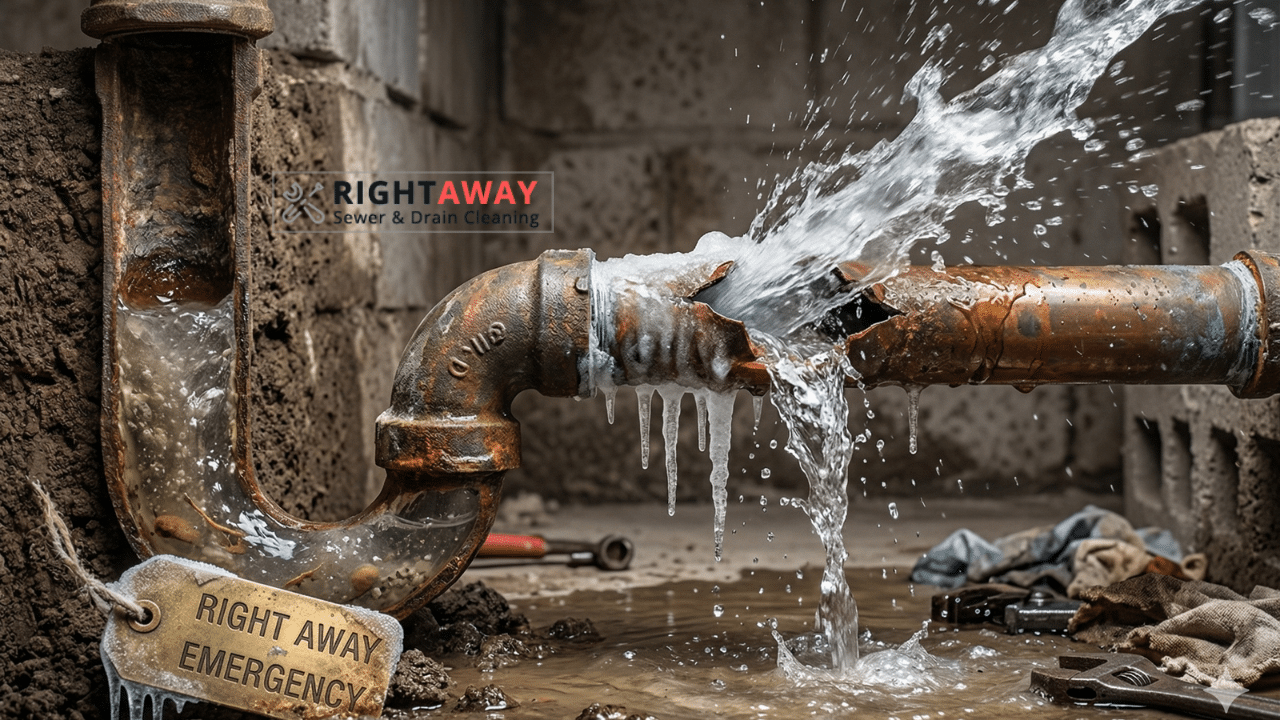
Burst pipes are a frequent nightmare in Minnesota. When temperatures plummet, water inside unprotected pipes freezes and expands, putting tremendous pressure on the metal or plastic until it cracks.
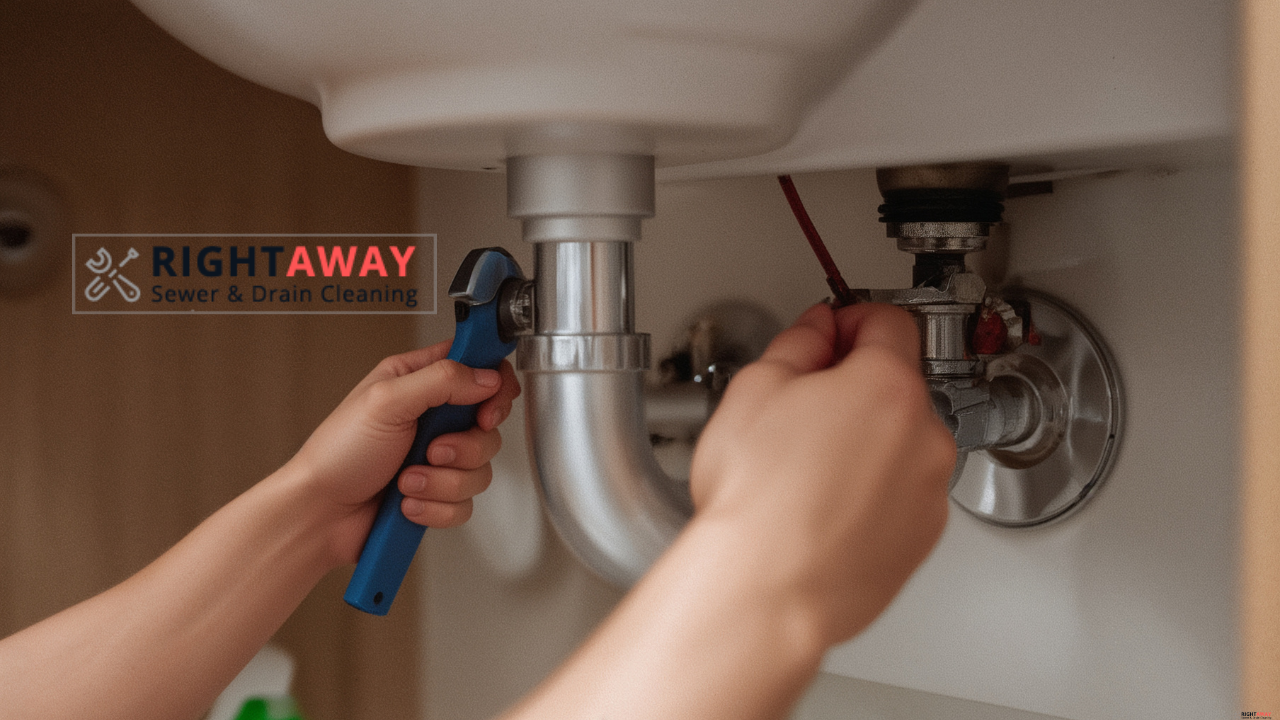
If you discover a burst pipe, shut off the main water supply immediately and open all your faucets to relieve any remaining pressure in the system. While you might be tempted to patch it with tape, this is only a temporary band-aid. You need a professional to replace the damaged section. To prevent this from happening in the first place, insulating your pipes in unheated areas like crawlspaces and garages is highly recommended.
4. Addressing Clogged Toilets
A clogged toilet is a nuisance, but it becomes an emergency if it threatens to overflow.
- Stop the flush: If the water rises, do not flush again. Take the lid off the tank and push the flapper down to stop the water flow.
- Use a plunger: Ensure there’s enough water in the bowl to cover the cup of the plunger, and use firm, steady strokes.
- Try an auger: If plunging fails, a toilet auger can help break up the obstruction.
If none of these methods work, the blockage is likely further down the drain line, requiring professional tools to safely extract.
5. Handling Sewer Backups
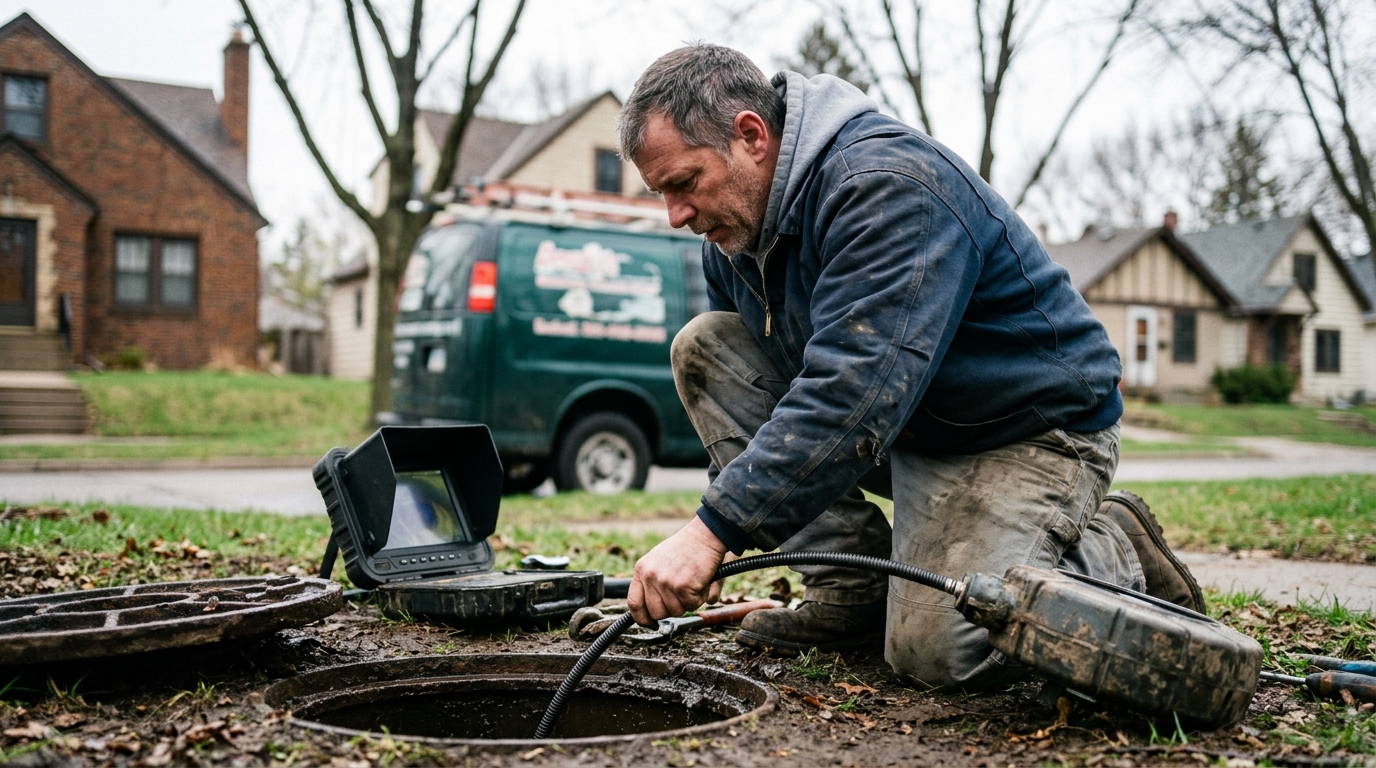
A sewer backup is one of the most hazardous plumbing emergencies. It can be caused by tree roots infiltrating the main line, a collapsed pipe, or municipal sewer issues.
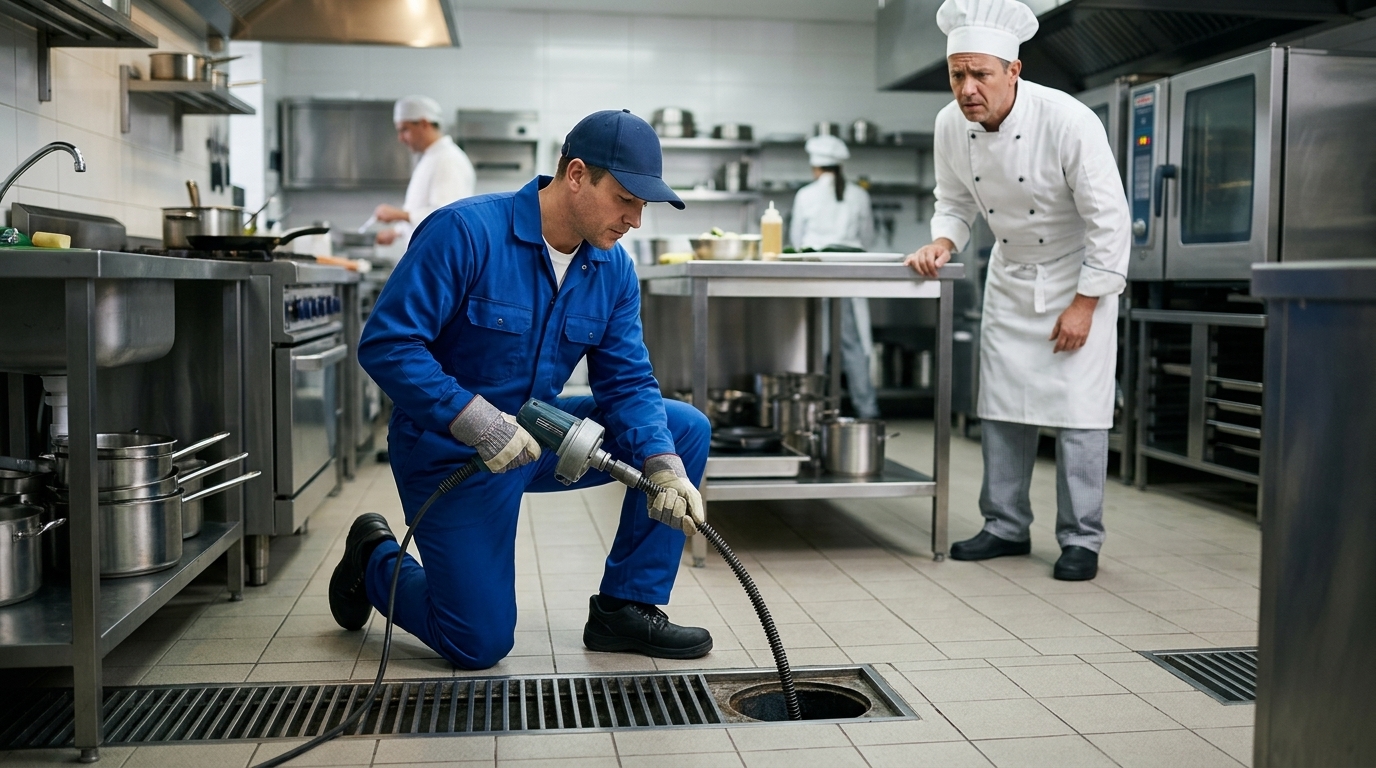
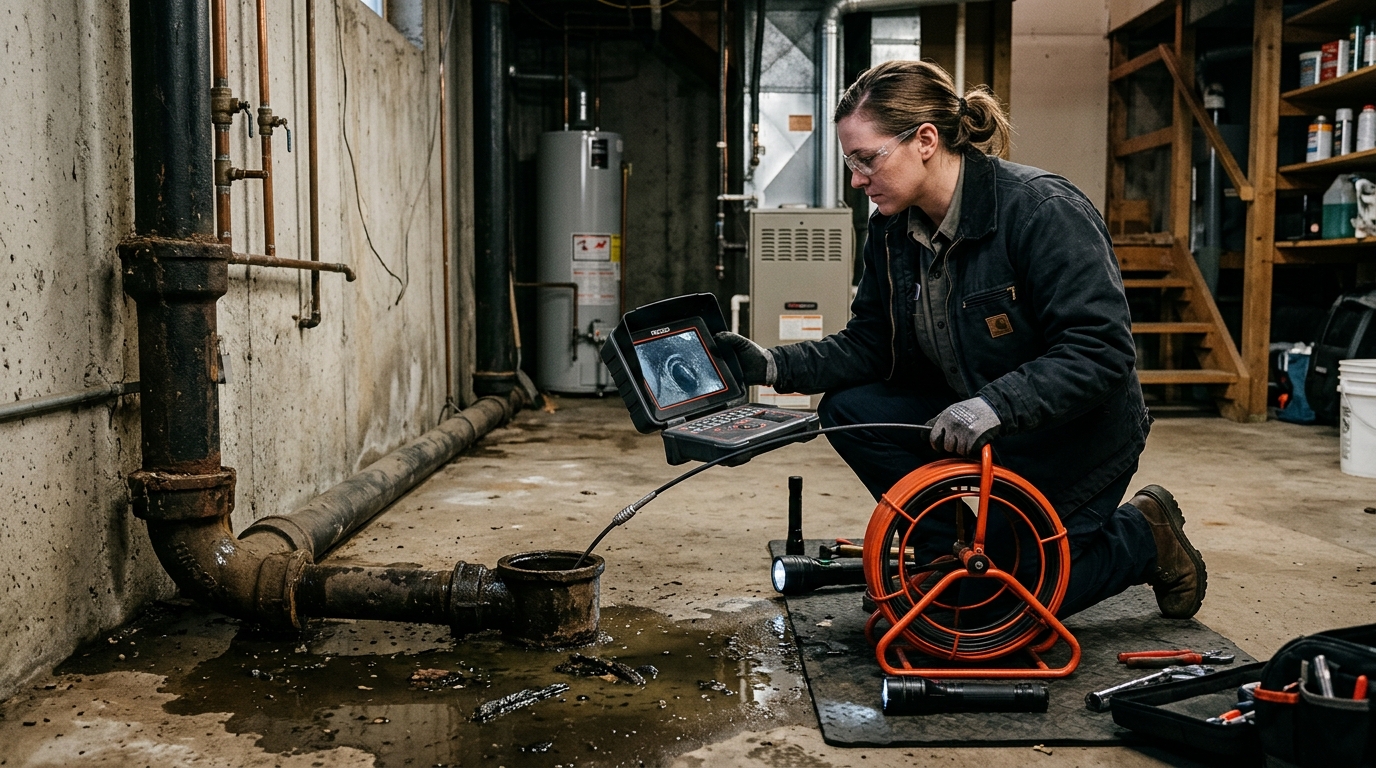
If sewage is backing up into your tubs or basement floor drains, stop using all plumbing fixtures immediately. Do not run the dishwasher, flush toilets, or do laundry. Because sewer water contains harmful bacteria and gases, ventilate the area by opening windows and avoid direct contact with the water. Call a professional who specializes in main line clearing immediately.
6. The Role of Preventative Maintenance
Prevention is always cheaper than an emergency repair. Regular drain maintenance is crucial to keeping your system flowing smoothly.
- Protect your drains: Use drain screens in your showers to catch hair.
- Watch what you flush: Never flush anything other than human waste and toilet paper. “Flushable” wipes are a leading cause of major clogs.
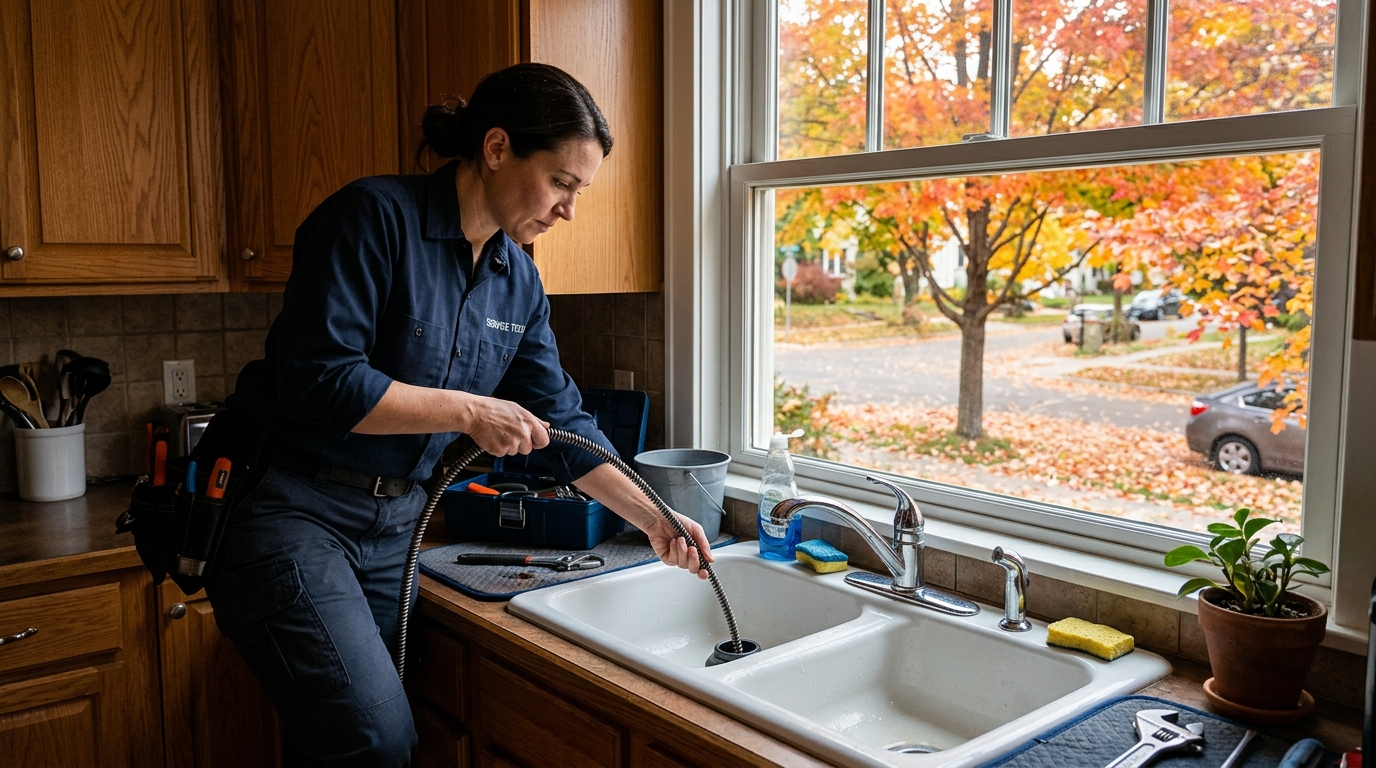
- Manage kitchen waste: Avoid putting fibrous foods, coffee grounds, and grease down the garbage disposal. Understanding the proper disposal methods for fats, oils, and grease (FOG) is essential to prevent hardened blockages.
7. When to Call the Professionals
While a plunger can fix a simple clog, DIY methods have limits. Anytime you encounter an emergency you can’t quickly control like a burst pipe, a sewer backup, or a persistent mainline clog–it’s time to call in the experts.
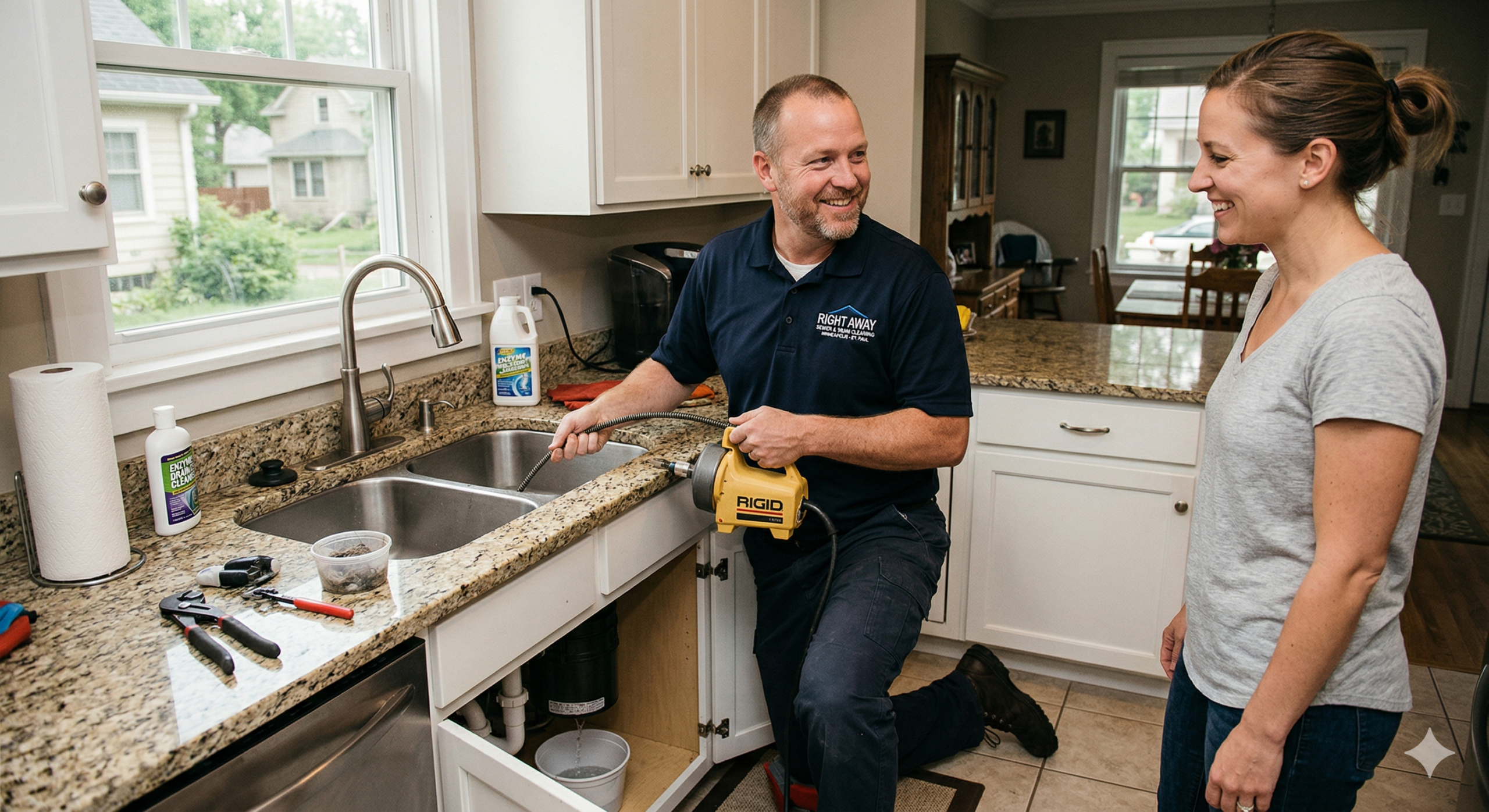
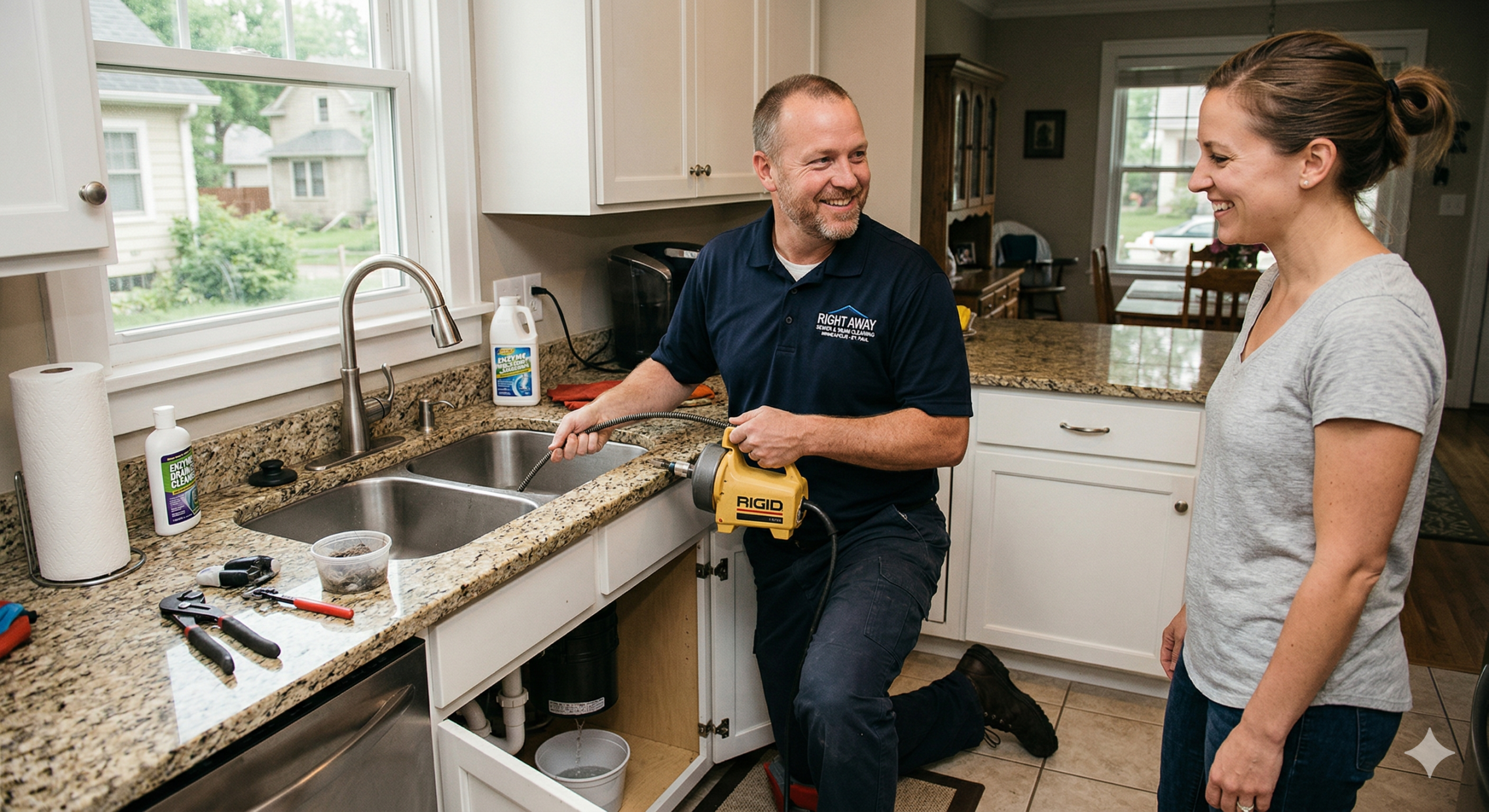
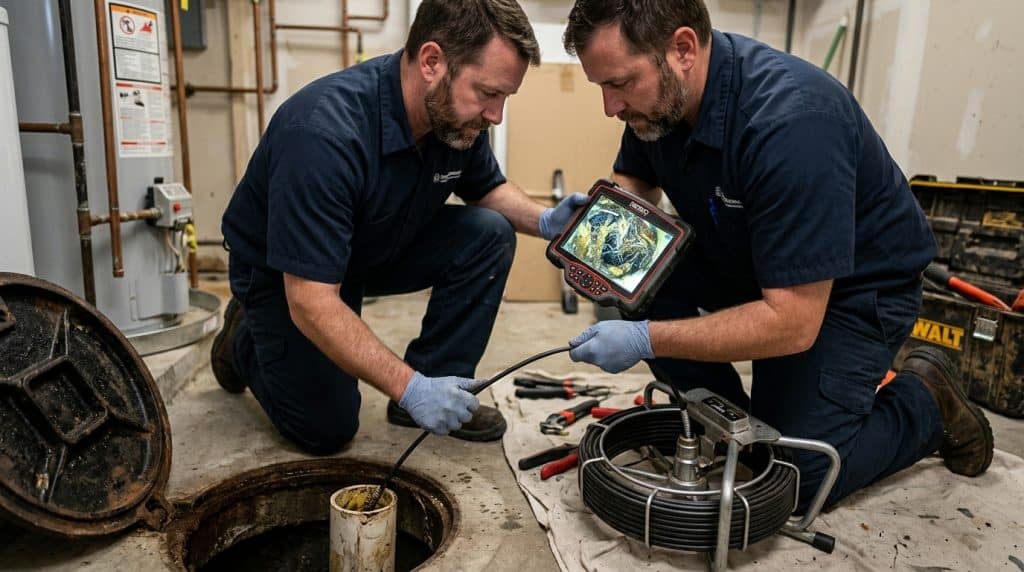
At Right Away Sewer & Drain Cleaning, we offer thorough drain cleaning services and high-tech diagnostics to get your Twin Cities home back to normal quickly and safely. Ignoring a minor issue today often leads to a major disaster tomorrow.