
The crisp air, the snow-dusted streets, there’s a lot to love about winter in Minneapolis. But let’s be honest, dealing with a stubbornly clogged drain isn’t one of them. It’s frustrating, inconvenient, and frankly, a bit gross. Slow draining sinks, bathtubs that take forever to empty, and that lingering, unpleasant odor wafting up from the pipes are common winter woes for homeowners like us.
Our goal here is simple: to arm you with the knowledge you need to understand why your drains seem to rebel during the coldest months and, more importantly, what you can do to stop it. Let’s ensure you have a smooth, worry-free winter season, free from the headaches of drain clogs and potential health hazards.
Understanding the Causes of Drain Clogs in Minneapolis Winters
Temperature Drops and Pipe Contraction
Minneapolis winters are no joke. The extreme cold can wreak havoc on your plumbing system, starting with the pipes themselves. When temperatures plummet, the materials that make up your pipes whether they’re copper, PVC, or something else contract. This contraction can reduce the diameter of the pipe, making it easier for debris to catch and accumulate, eventually leading to a clog.
Think of it like trying to squeeze a golf ball through a garden hose that’s been pinched in the middle. That’s essentially what’s happening in your pipes. The expansion and contraction of materials, coupled with the usual buildup of grease, hair, and other gunk, creates the perfect storm for a Minneapolis drain clog winter.
Ice Buildup in Drains
While most of your plumbing is inside your home, portions are exposed to the elements. Outdoor drains and sewer lines are particularly vulnerable to ice buildup. When water freezes, it expands, and that expansion can create significant blockages. This is especially true in older homes where pipes may not be as well-insulated or properly sloped.
Certain areas of Minneapolis, particularly those with older infrastructure or low-lying areas prone to standing water, are more susceptible to frozen drains. While hard numbers are tricky to pin down, anecdotal evidence from local plumbers suggests a significant spike in calls related to frozen pipes and drains during extended periods of sub-zero temperatures.
Increased Use of Drains During Holiday Season
The holiday season is a time for feasting and family gatherings, which also means our drains work overtime. We tend to cook more elaborate meals, generating more food waste and using our sinks more frequently. All that extra activity puts a strain on our plumbing systems and increases the likelihood of clogs.
Specifically, grease and fats are major culprits. When hot grease cools down in your pipes, it solidifies, clinging to the pipe walls and trapping other debris. Food particles, especially starchy items like rice and pasta, can also swell and contribute to blockages. It’s a recipe for disaster if you’re not careful about what goes down the drain.
Signs That Your Drains May Be Clogged
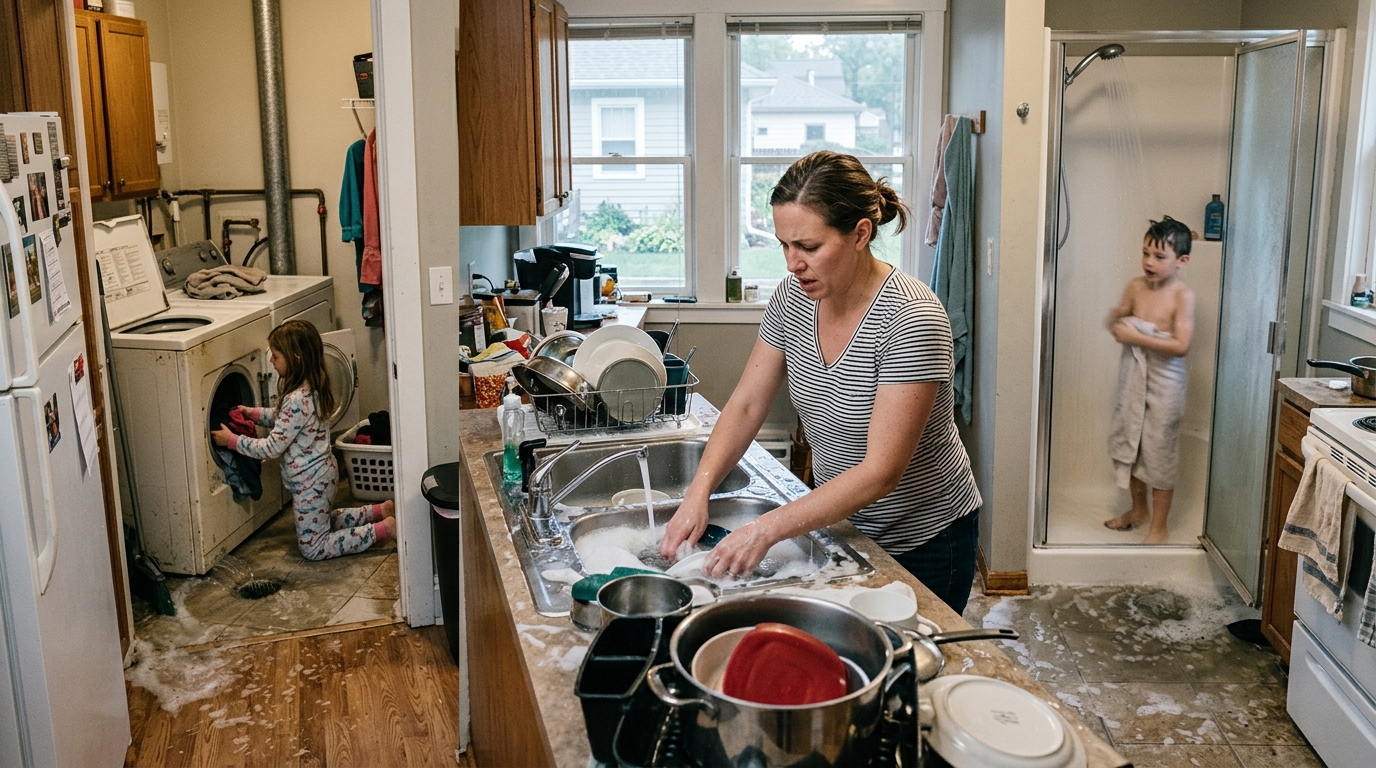
Slow Draining Sinks and Tubs
Slow drainage is often the first sign that a clog is forming. If you notice that your sink or tub is taking longer than usual to empty, it’s a red flag. Don’t ignore it! This is your plumbing system’s way of telling you that something isn’t right. The sooner you address the issue, the easier it will be to resolve.
Pay attention to the speed at which water drains. If it starts out draining normally but gradually slows down, it’s a strong indication of a developing clog. This is the time to take action, whether it’s trying a simple DIY solution or calling in a professional.
Unpleasant Odors
A foul smell emanating from your drains is another telltale sign of a clog. This odor is caused by the decomposition of trapped organic matter, such as food scraps, hair, and other debris. As this waste breaks down, it releases unpleasant gases that make their way back up through the drain. Not only is it unpleasant, but it can also be a sign of bacteria buildup.
If you notice a persistent, sewage-like smell coming from your drains, don’t dismiss it. It’s a clear indication that something is trapped in your pipes and needs to be addressed. Ignoring the smell won’t make it go away; it will likely get worse over time.
Gurgling Noises from Pipes
Gurgling sounds coming from your pipes are often a sign that air is trapped in the system due to a partial blockage. As water tries to flow past the clog, it creates a vacuum that pulls air in, resulting in that distinctive gurgling noise. It’s like a plumbing system trying to catch its breath.
These noises can be especially noticeable after you’ve run the dishwasher or washing machine, as these appliances often send a large volume of water through your pipes at once. If you hear gurgling sounds, it’s a good idea to investigate further and take steps to clear any potential blockages.
Preventive Measures to Avoid Winter Drain Clogs
Insulate Your Pipes
One of the best ways to prevent winter drain clogs is to insulate your pipes, especially those located in unheated areas like basements, crawl spaces, and exterior walls. Insulation helps to maintain a consistent temperature in your pipes, preventing them from freezing and potentially bursting. This is a proactive step that can save you a lot of headaches and money in the long run.
There are several ways to insulate your pipes, including using foam pipe sleeves, heat tape, or even wrapping them with old blankets or towels. For more extensive insulation needs, consider contacting a local insulation service that can provide professional installation and ensure your pipes are adequately protected.
Regular Maintenance and Cleaning
Regular drain maintenance is crucial for preventing clogs, especially during the winter months. This involves cleaning your drains periodically to remove any buildup of grease, hair, and other debris before they can cause a major blockage. Think of it as giving your plumbing system a regular checkup.
You can use a variety of methods to clean your drains, including pouring boiling water down the drain, using a mixture of baking soda and vinegar, or using enzyme-based drain cleaners. Avoid harsh chemical drain cleaners, as they can damage your pipes over time.
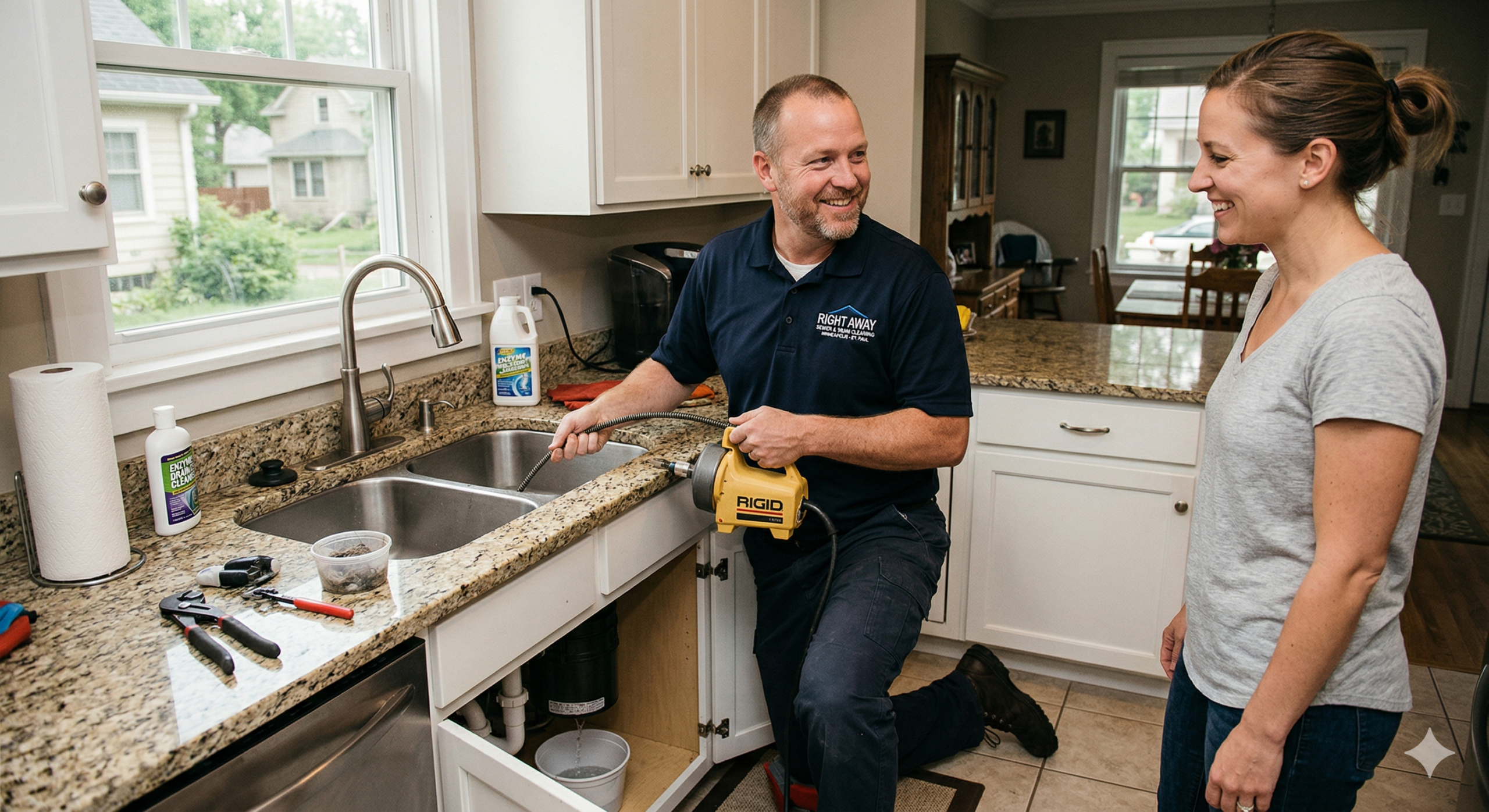
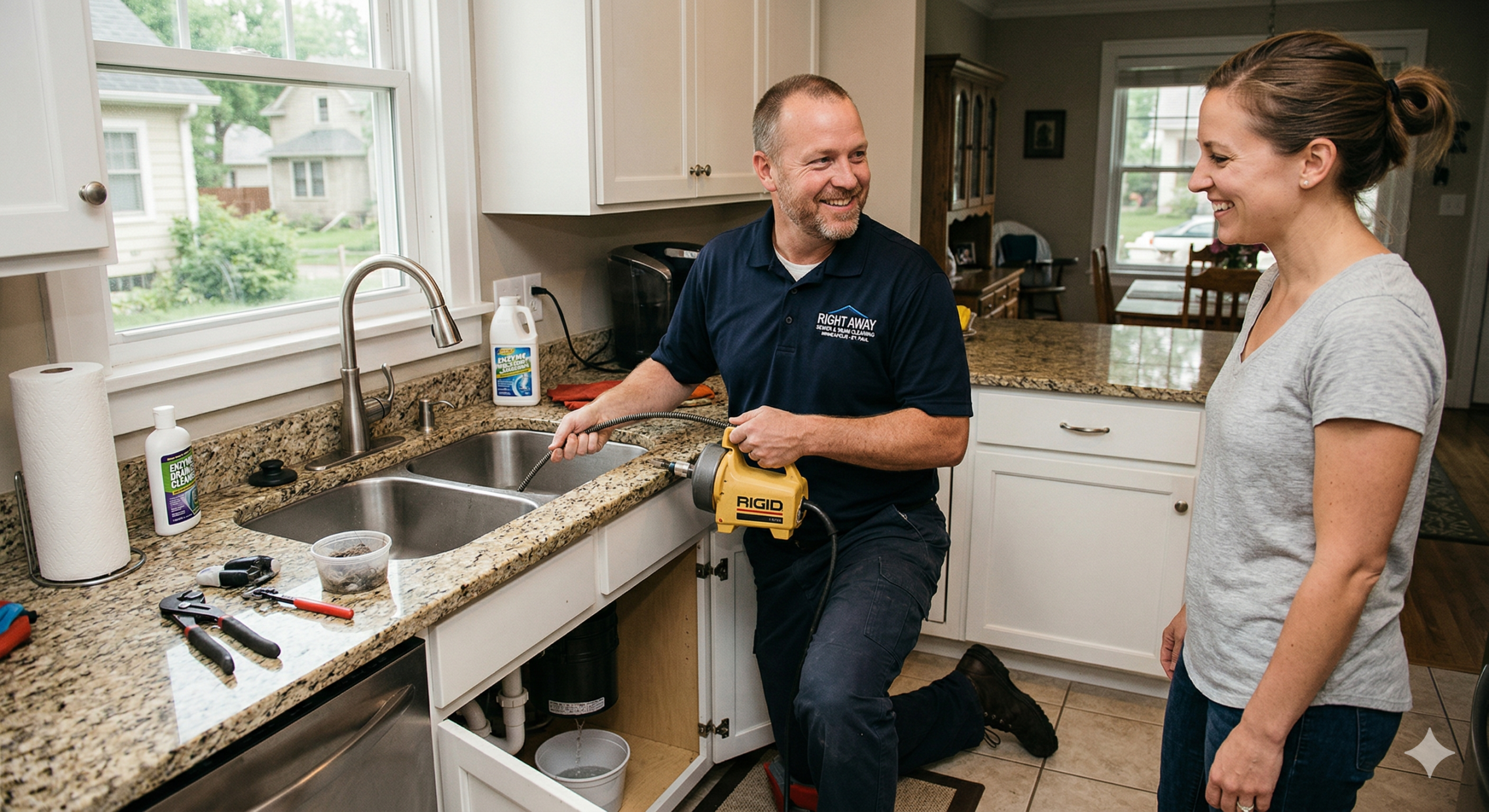
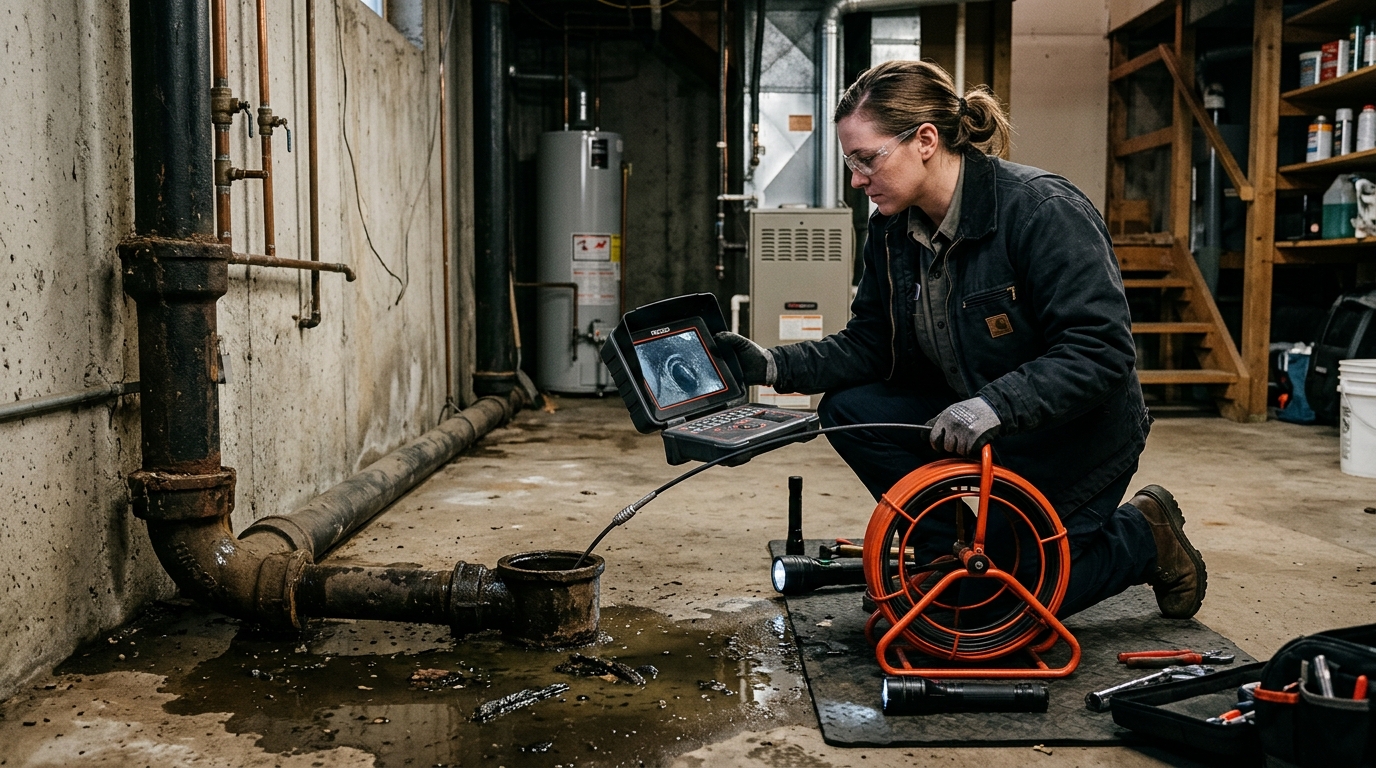
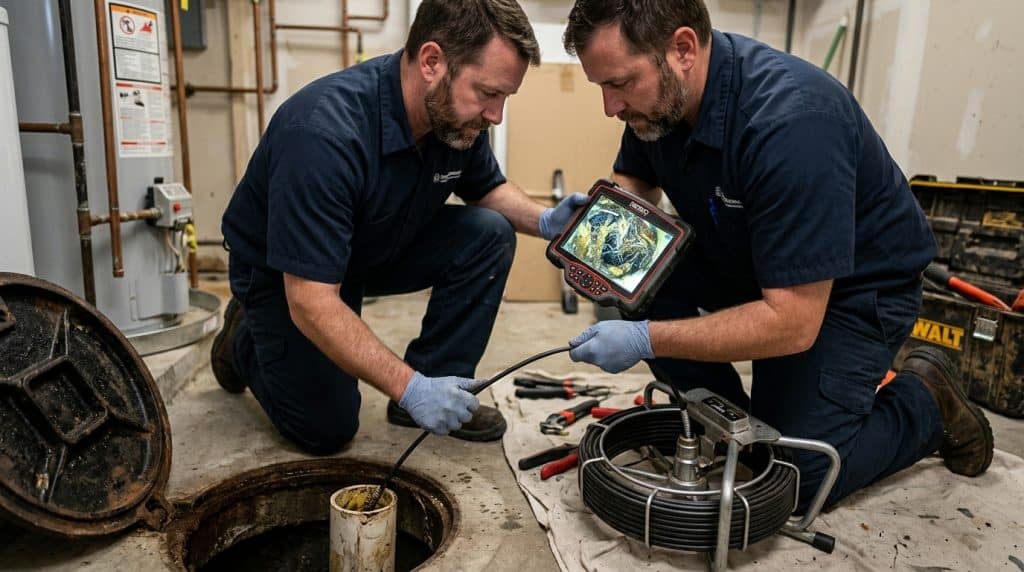
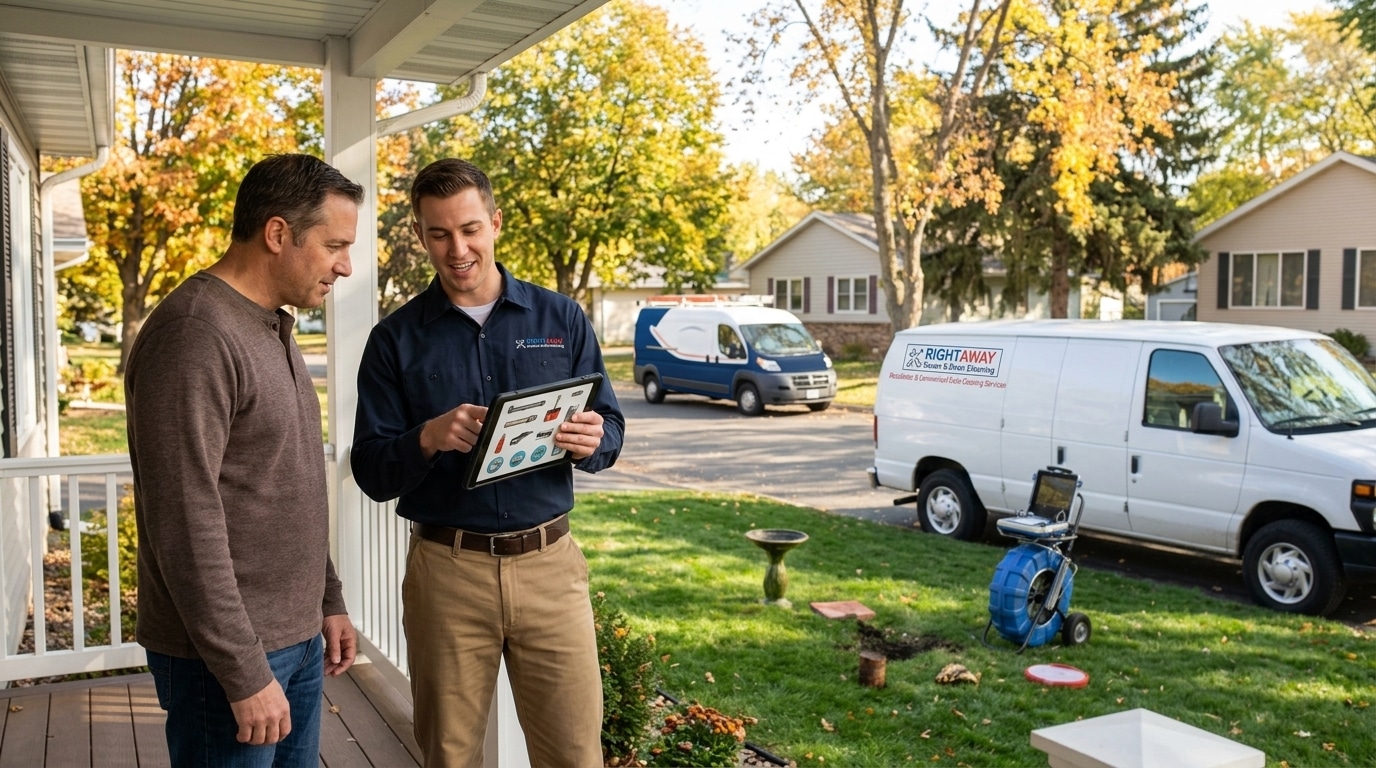
For a more thorough cleaning, consider scheduling a professional plumbing service to perform a drain cleaning. Right Away Sewer and Drain Cleaning is a reliable provider of drain cleaning services in Minneapolis and can help keep your drains flowing smoothly all winter long.
Proper Disposal Practices
Being mindful of what you put down your drains is one of the simplest yet most effective ways to prevent clogs. Avoid pouring grease, oil, and fats down the drain, as they can solidify and cause blockages. Instead, collect them in a container and dispose of them properly. Similarly, avoid flushing non- flushable items like feminine hygiene products, diapers, and paper towels down the toilet.
Scrape food scraps into the trash can before washing dishes, and use a strainer in your sink to catch hair and other debris. By following these simple disposal practices, you can significantly reduce the amount of waste that ends up in your drains and minimize the risk of clogs.
When to Call a Professional
Identifying Serious Clogs
While some clogs can be resolved with DIY methods, others require the expertise of a professional plumber. If you’ve tried various home remedies and the clog persists, or if you notice signs of a more serious problem, it’s time to call in the pros. Ignoring persistent drainage issues can lead to more extensive damage and costly repairs.
Signs of a serious clog include multiple clogged drains, sewage backups, and water damage around your drains. These issues indicate a deeper problem within your plumbing system that requires professional attention. Attempting to fix these problems yourself could potentially worsen the situation.
Emergency Plumbing Services
During the winter months, plumbing emergencies can happen at any time. Frozen pipes, burst pipes, and severe clogs can cause significant damage to your home and require immediate attention. That’s why it’s important to know which local plumbing services offer emergency assistance.
Many plumbing companies in Minneapolis offer 24/7 emergency services to address urgent plumbing issues. When choosing an emergency plumber, be sure to compare costs and services to ensure you’re getting the best value for your money. Look for companies with experienced technicians, transparent pricing, and a good reputation.
What This Means for Your Property
Understanding the causes of winter drain clogs and taking preventive actions is essential for maintaining a healthy and functional plumbing system. By insulating your pipes, practicing proper disposal habits, and addressing clogs promptly, you can avoid the hassle and expense of dealing with plumbing emergencies during the cold winter months.