
As a Minneapolis homeowner, you’re no stranger to the challenges our climate throws your way. But one problem that lurks beneath the surface, literally, is the potential for clogged sewer lines. It’s easy to ignore until it becomes a major headache, and that’s when the financial pain really starts.
We’re talking about more than just a slow drain; we’re talking about potential property damage and hefty repair bills. This isn’t about scare tactics; it’s about cost-conscious decision-making.
My goal here is to arm you with the knowledge you need to understand the costs associated with clogged sewer lines and how to prevent them from emptying your wallet.
Understanding Clogged Sewer Lines
What Causes Clogged Sewer Lines?
Let’s get down to the nitty-gritty. What exactly is causing these blockages in your sewer line? More often than not, the usual suspects are tree roots, grease buildup, and foreign objects.
Tree roots are particularly notorious in Minneapolis, as they’re drawn to the moisture around your sewer lines. They can sneak into the smallest cracks and quickly expand, causing major blockages.
Grease, that seemingly harmless byproduct of cooking, solidifies as it cools and clings to the inside of your pipes, gradually narrowing the passage.
And then there are the foreign objects, everything from hygiene products and paper towels to kids’ toys that accidentally get flushed.
Seasonal factors also play a role. The freeze-thaw cycles we experience here can cause ground shifting, which can damage your sewer line and make it more susceptible to clogs. Heavy rains can overwhelm the municipal sewer system, leading to backups.
Understanding these common causes is the first step in preventing costly problems down the road. For additional information, you can also review resources from the EPA on maintaining your septic tank.
Signs Your Sewer Line is Clogged
Catching a clogged sewer line early can save you a fortune. What warning signs should you be on the lookout for?
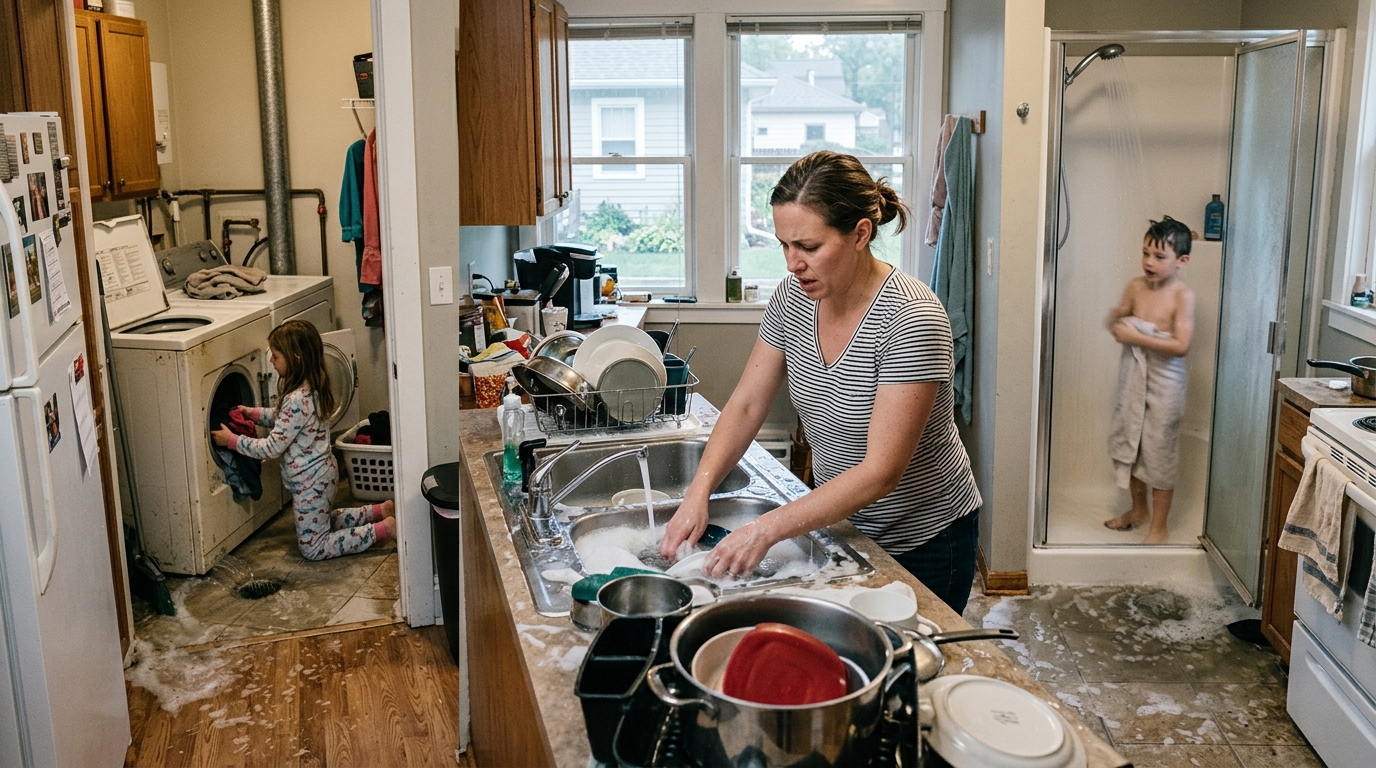
Slow drains are a big one. If your sinks, showers, or toilets are draining noticeably slower than usual, it’s a red flag. Foul odors coming from your drains are another telltale sign. And listen closely, do you hear gurgling noises coming from your drains or toilet? That’s often a sign of trapped air caused by a blockage in the sewer line.
Ignoring these warning signs is like ignoring a check engine light in your car it’s only going to get worse, and the repair bill will be much higher. Early detection allows you to address the problem before it escalates into a full- blown sewer backup, which can cause significant damage to your home and property.
Addressing these issues quickly can save you money and property damage. If you see the warning signs consider calling someone like Right Away Sewer and Drain Cleaning before the problem gets out of hand.
The Financial Impact of Clogged Sewer Lines
Repair Costs Breakdown
Okay, let’s talk numbers. What can you expect to pay for professional sewer line cleaning and repairs in Minneapolis? The average cost for professional drain cleaning can range from $150 to $500, depending on the severity of the clog and the method used.
For more extensive repairs, such as replacing a section of damaged pipe, you could be looking at several thousand dollars. Factors like the location of the sewer line and the depth of the line will also impact the cost.
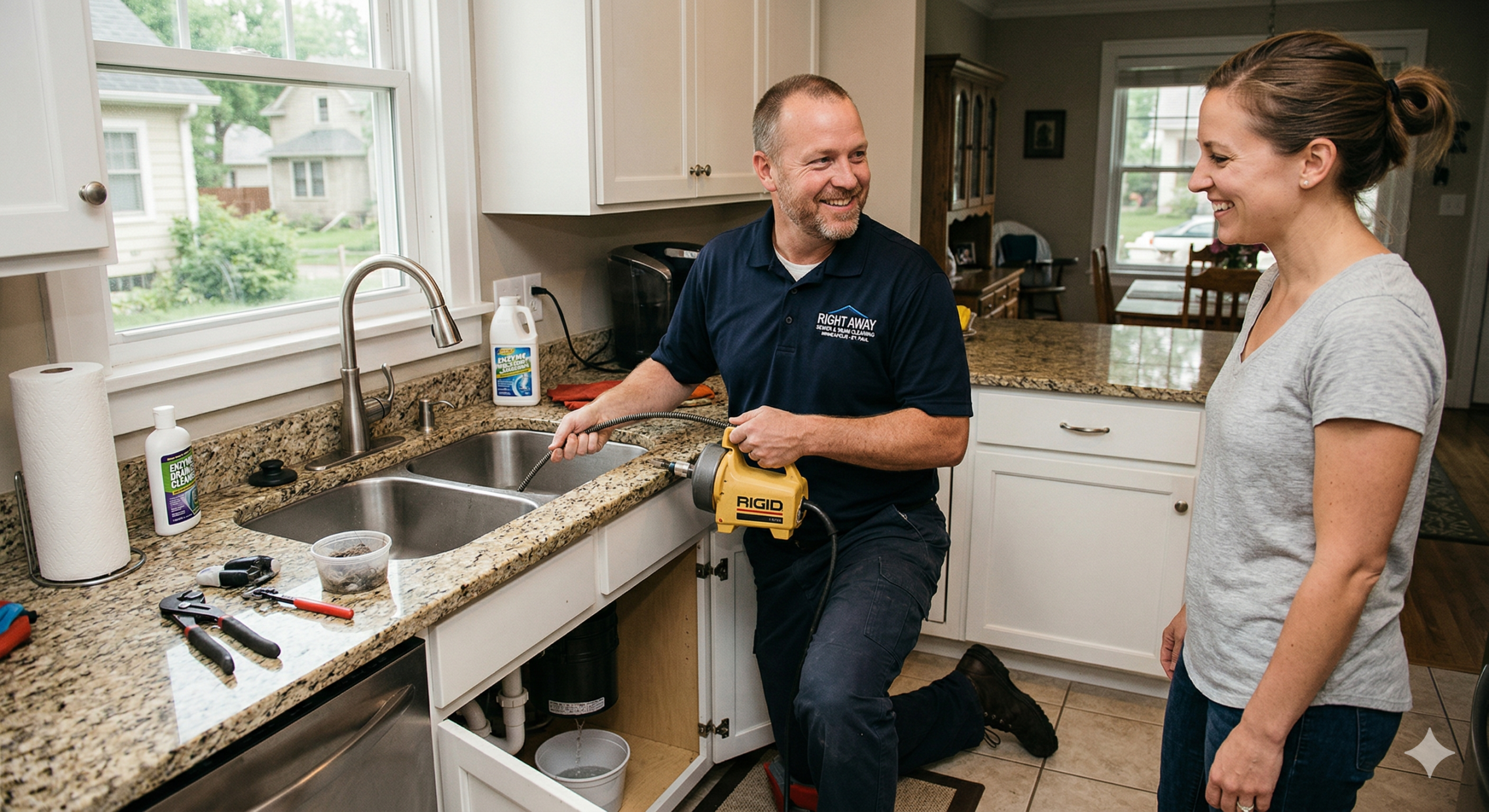
Now, what about DIY versus professional services? You might be tempted to grab a bottle of drain cleaners from the store, but be warned: these chemicals can actually damage your pipes over time.
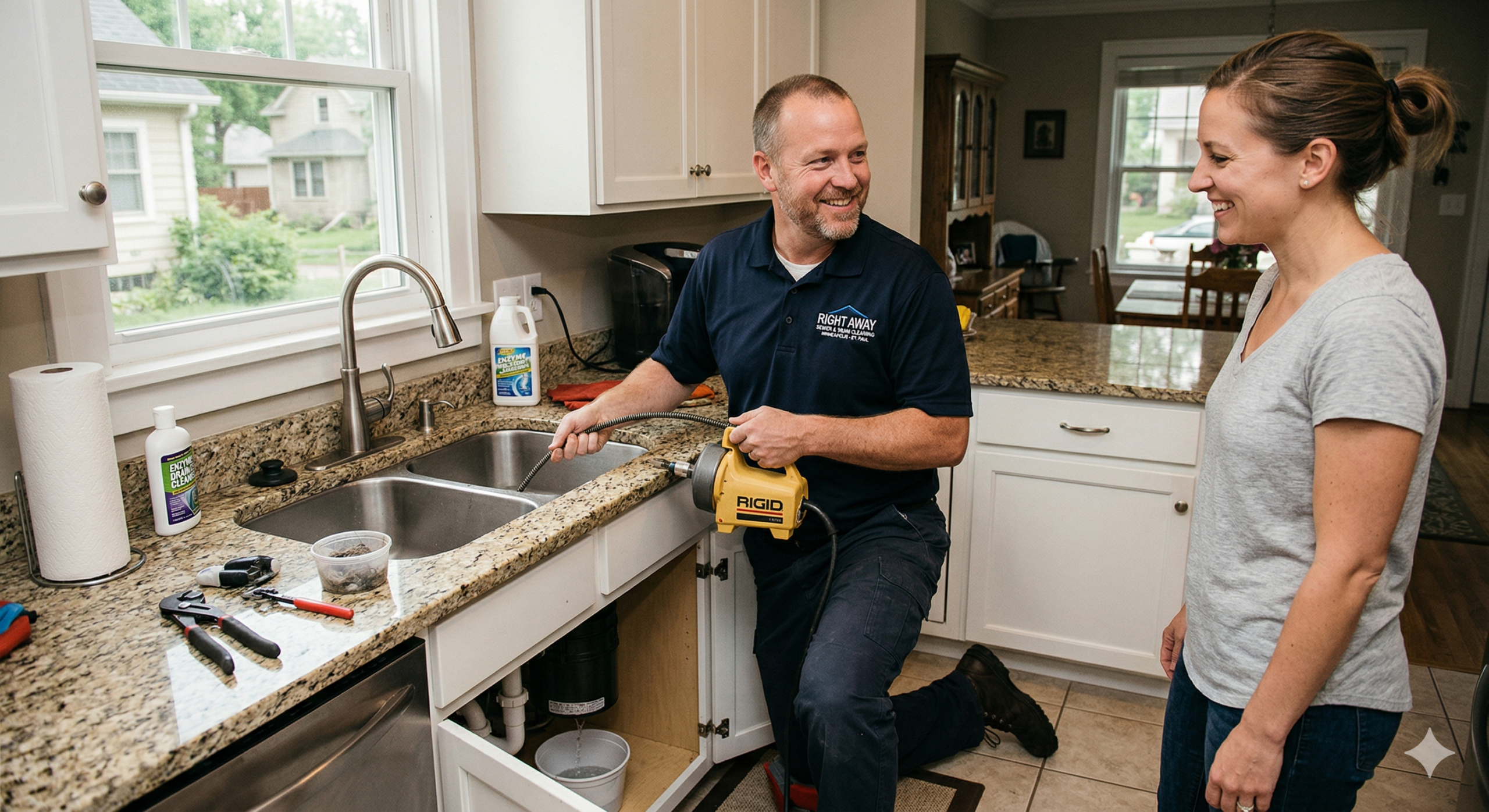
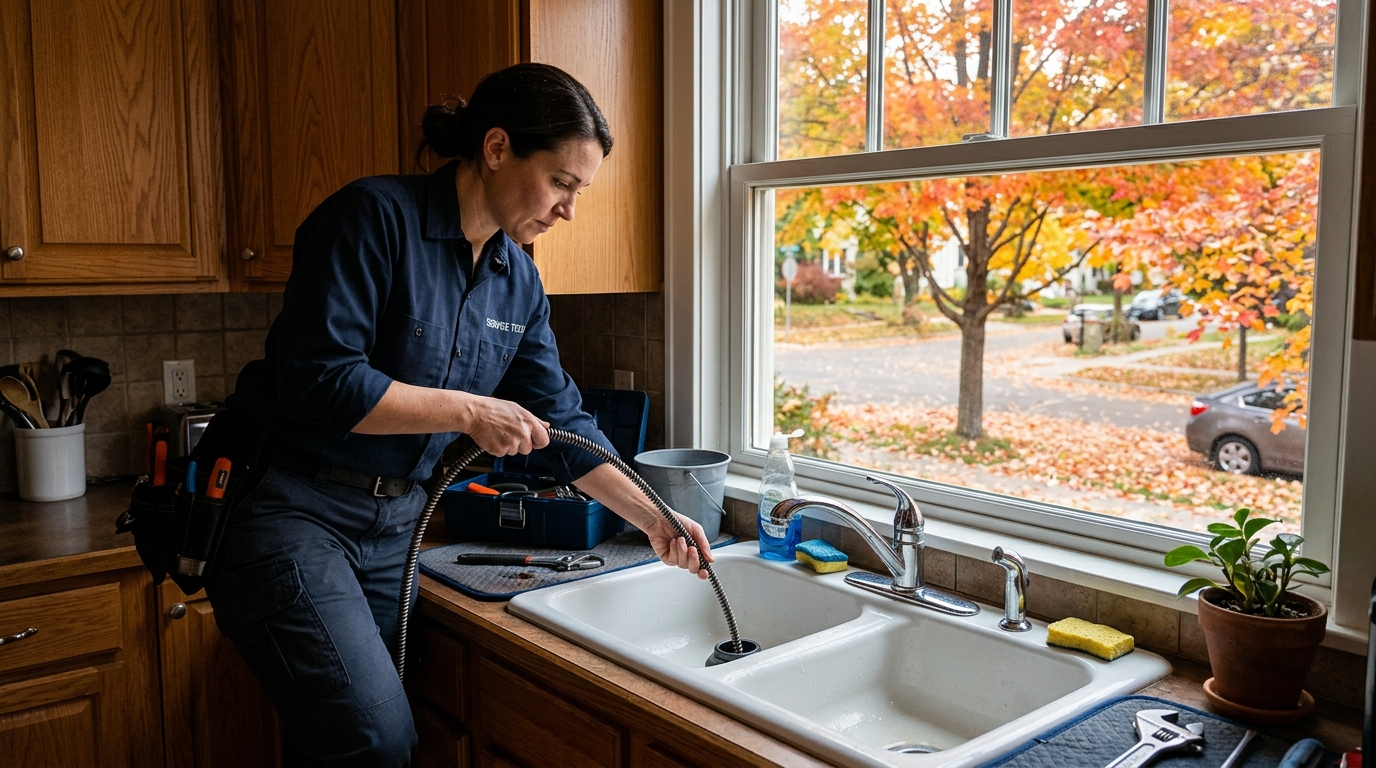
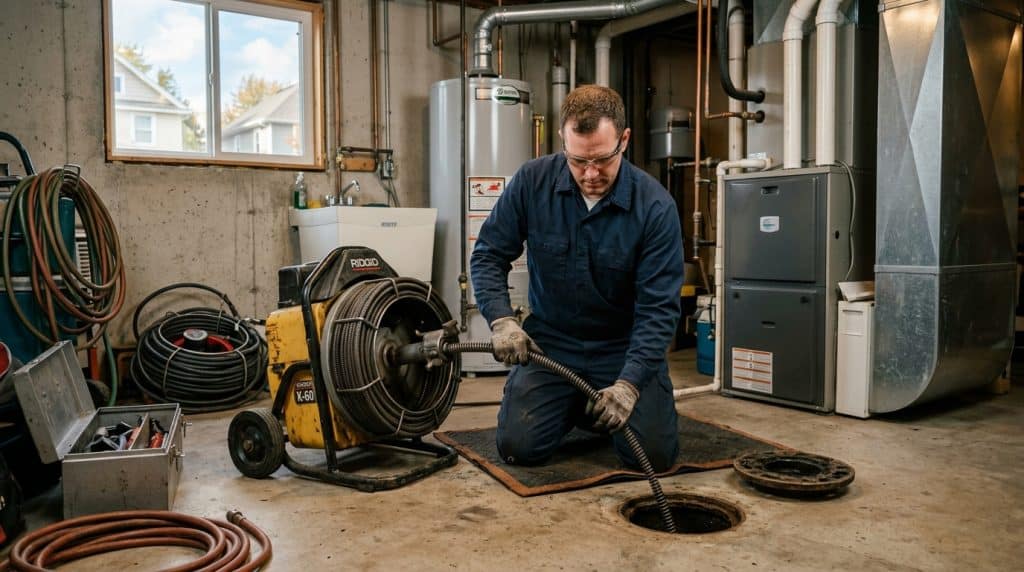
Drain snakes can be effective for minor clogs, but they can also cause further damage if used improperly. Hiring a professional may seem more expensive upfront, but it can save you money in the long run by preventing further damage and ensuring the job is done right.
Plus, professionals have the tools and expertise to diagnose the problem accurately and recommend the most effective solution.
Long-term Consequences of Ignoring Clogs
Let’s be clear: ignoring a clogged sewer line is a gamble you don’t want to take. The potential for sewer backups is real, and the damage can be devastating. We’re talking about raw sewage flooding your basement, ruining carpets, drywall, and furniture.
The cost of water damage restoration alone can run into the thousands of dollars. And that’s not even factoring in the potential health hazards associated with exposure to sewage.
Beyond the immediate damage, a neglected clogged sewer line can lead to more extensive repairs down the road. A small crack can turn into a major break, requiring you to replace a large section of pipe.
In severe cases, you may even need to replace the entire sewer line, which can be a very expensive undertaking. The cost implications of water damage restoration and extensive repairs far outweigh the cost of regular maintenance and timely repairs. It’s a classic case of pay now or pay much more later.
Preventing Clogged Sewer Lines
Regular Maintenance Tips
Prevention is always better (and cheaper) than cure. What can you do as a homeowner to keep your sewer line clear and prevent those costly clogs?
First and foremost, be mindful of what you’re flushing down the toilet and putting down the kitchen sink. Avoid flushing anything other than toilet paper and human waste.
Never pour grease down the drain. Instead, collect it in a container and dispose of it properly. Consider installing strainers in your sinks to catch hair and other debris.
Regular inspections and cleanings are also crucial. I recommend having your sewer line inspected at least every two years, or more frequently if you’ve had problems in the past.
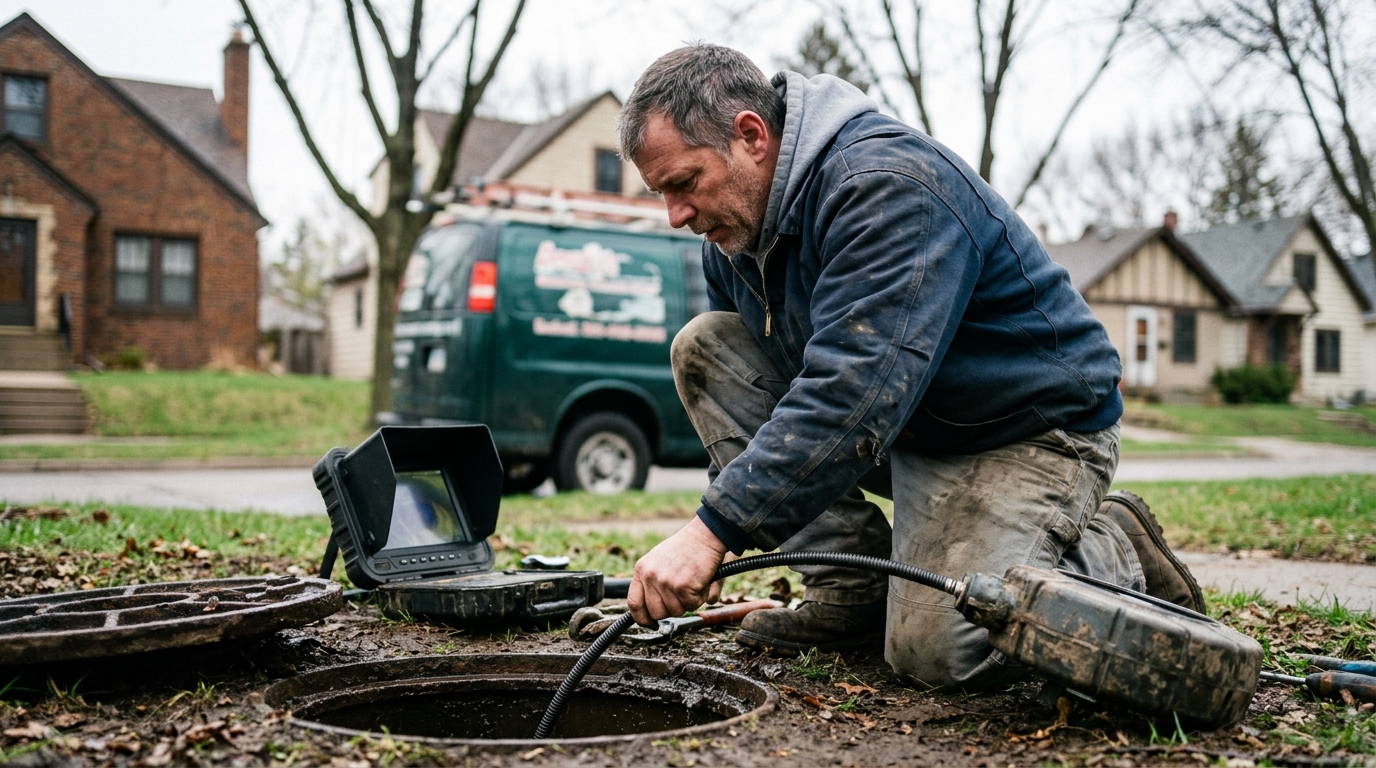
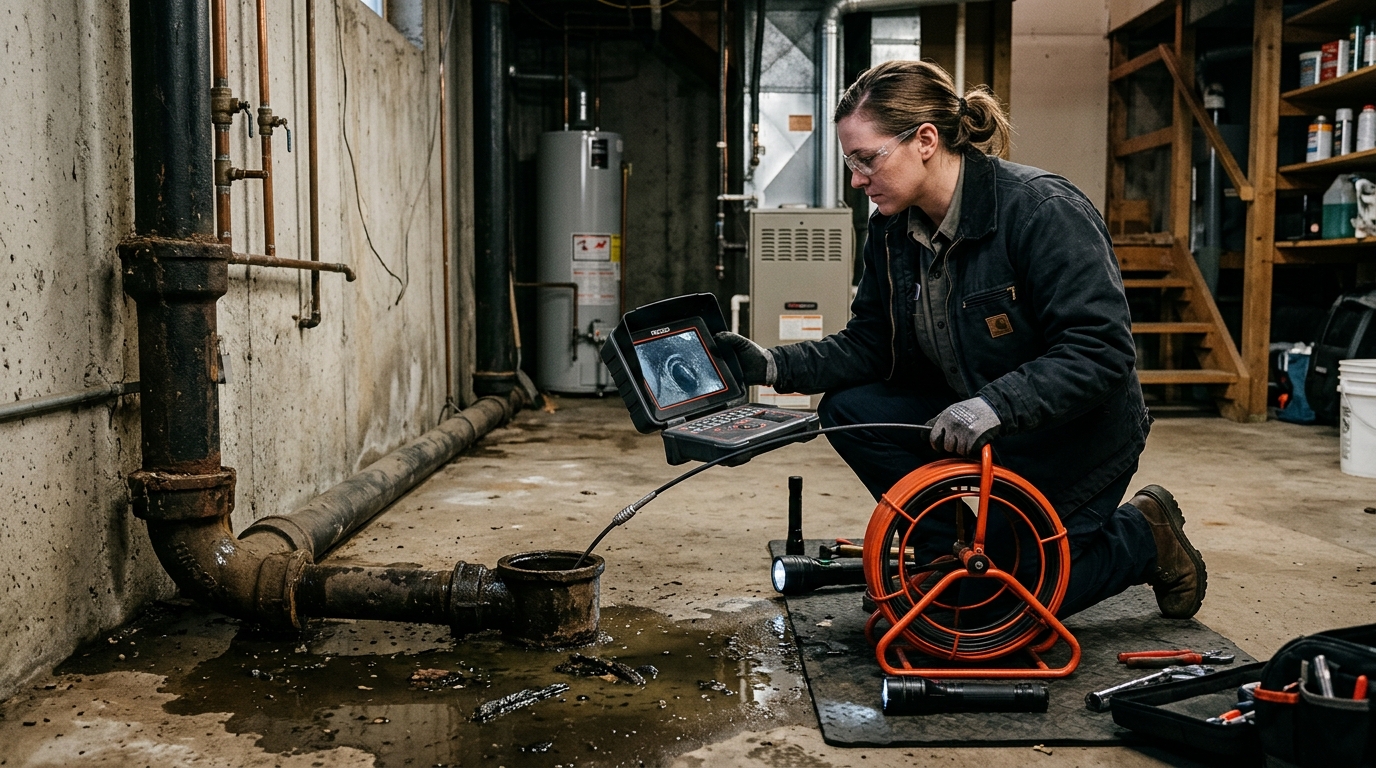
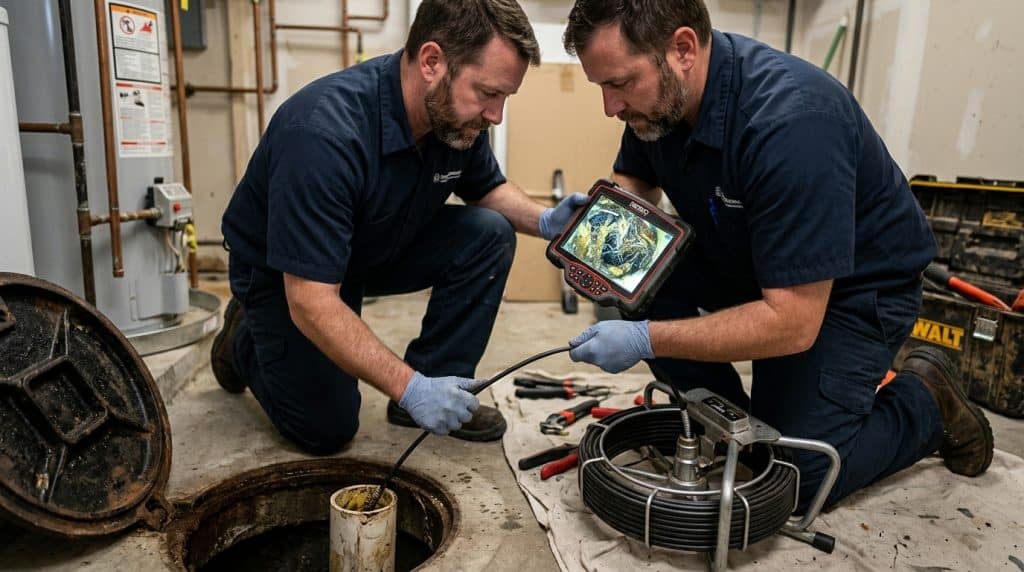
A professional can use a camera to inspect the inside of your sewer line and identify any potential problems, such as roots growing or buildup. Regular cleaning, typically with hydro jetting, can remove buildup and prevent clogs from forming. Regular maintenance can help keep roots growing at bay and prevent costly repairs.
Investing in Preventative Services
Think of annual maintenance plans offered by local plumbing services as an investment in your home’s long-term health. These plans typically include regular inspections, cleaning, and minor repairs. While there’s an upfront cost, it’s far less than the cost of dealing with a major sewer backup or pipe replacement.
Consider the cost-benefit analysis. On one hand, you have the cost of an annual maintenance plan, which might be a few hundred dollars. On the other hand, you have the potential cost of reactive repairs, which could easily run into the thousands.
By investing in preventative measures, you’re essentially hedging your bets and minimizing your risk of a costly surprise. It’s like paying for insurance, you hope you never need it, but you’re glad you have it when disaster strikes.
Choosing the Right Service Provider
What to Look for in a Sewer Line Service
When it comes to your sewer line, you don’t want to trust just anyone. Experience is key. Look for a company with a proven track record of providing reliable sewer line services in Minneapolis.
Check online customer reviews to see what other homeowners have to say about their experiences. And make sure the company offers service guarantees, so you’re protected if something goes wrong.
Don’t be afraid to shop around and compare quotes. Get estimates from multiple companies and ask for a detailed breakdown of the services included. Pay attention to the company’s reputation, their level of expertise, and their commitment to customer satisfaction.
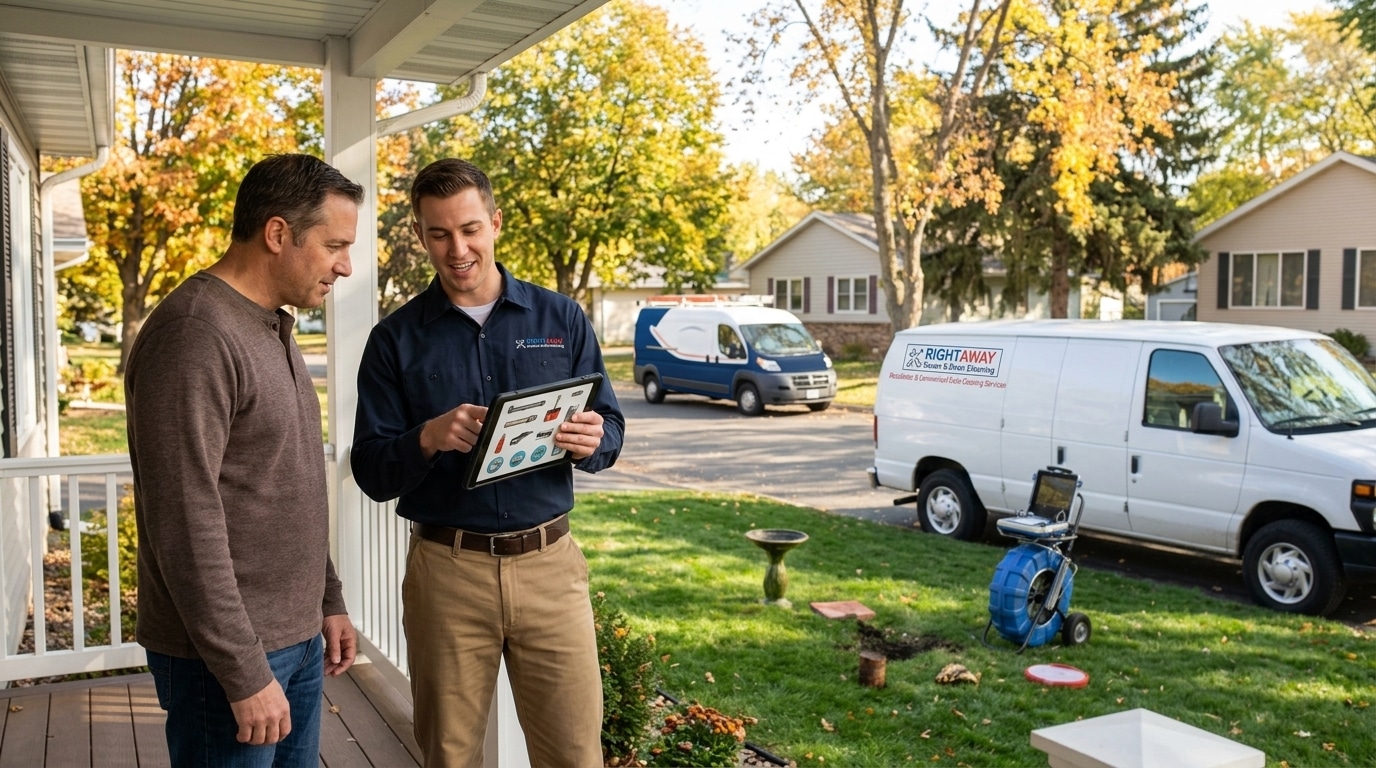
Choosing the right service provider can save you money and headaches in the long run. Right Away Sewer and Drain Cleaning has been serving the Minneapolis area for years, and we’re committed to providing honest, reliable service at a fair price.
Local vs. National Plumbing Companies
When you’re searching for a sewer line service, you’ll likely come across both local Minneapolis plumbers and larger national chains. There are pros and cons to both.
Local plumbers often have a better understanding of the specific challenges in your area, such as the types of soil and the age of the infrastructure. They may also be more responsive and provide more personalized service.
Larger chains may offer lower prices and a wider range of services. However, they may not be as familiar with the local conditions, and their customer service may be less personal.
Supporting local businesses is also a great way to invest in your community. Ultimately, the best choice depends on your individual needs and preferences. Just make sure you do your research and choose a company with a solid reputation and a commitment to quality service.
What This Means for Your Property
Clogged sewer lines can be a major financial drain on Minneapolis homeowners. Ignoring the problem can lead to costly repairs, water damage, and potential health hazards. Proactive measures, such as regular maintenance and timely repairs, are essential for protecting your property and your wallet.
By understanding the causes of clogged sewer lines, recognizing the warning signs, and choosing the right service provider, you can take control of the situation and prevent costly problems down the road. It all boils down to being a responsible homeowner and taking care of your property.