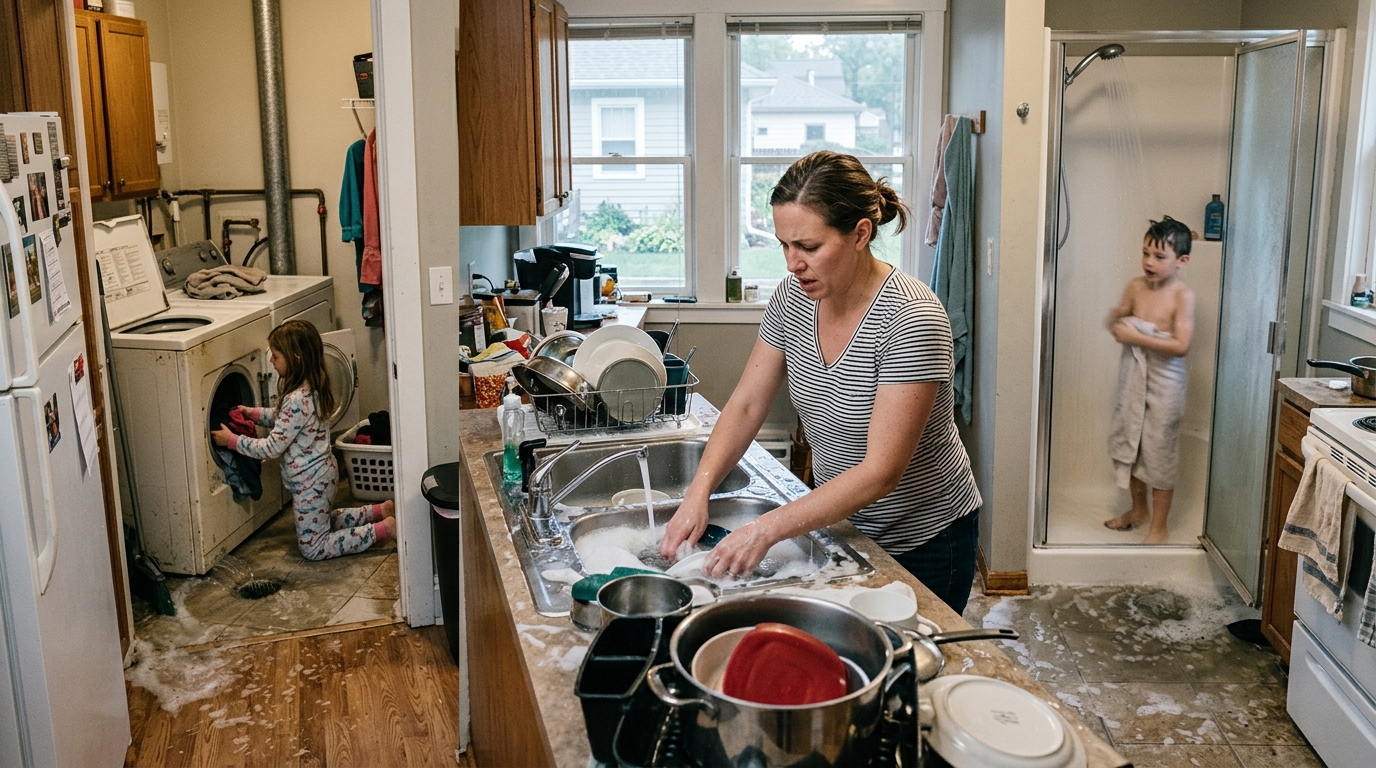

Keeping your drains clear is crucial for a comfortable and functional home, especially here in Minneapolis where seasonal changes can wreak havoc on our plumbing.
As a seasoned drain cleaning professional, I’ve seen firsthand the headaches that clogged drains can cause from slow draining sinks and tubs to unpleasant odors and, in the worst cases, messy backups.
When these issues arise, you’re often faced with a choice: which drain cleaning method is the most effective and appropriate for your situation? While there are many drain cleaning methods, today we’ll focus on two of the most popular and effective: snaking and hydro jetting.
Overview of Drain Cleaning Methods
What Are Drain Cleaning Methods?
Drain cleaning methods encompass a range of techniques designed to remove obstructions and buildup from your home’s plumbing system. The primary goal is to restore proper flow and prevent future clogs. But with so many options available, from DIY solutions to professional services, it’s important to understand the purpose of each method and how to select the right one based on your specific needs.
Choosing the right drain cleaning method is more than just a matter of convenience; it’s about protecting your pipes and preventing further damage. Using the wrong approach can lead to cracked or broken pipes, leaks, and costly repairs. That’s why it’s essential to consider the type of clog, the age and condition of your plumbing, and the potential risks associated with each method.
Common Types of Drain Cleaning Techniques
Beyond snaking and jetting, there are several other drain cleaning techniques you might encounter. Chemical cleaners are readily available at most stores, but they can be harsh on your pipes and the environment. Manual snaking involves using a simple hand-cranked tool to break up or retrieve clogs.
For more stubborn blockages, powered snakes offer greater force and reach. However, for the purpose of this discussion, we’ll concentrate on snaking and hydro jetting as two of the most reliable and widely used drain cleaning methods available.
Understanding the Snake Method
What is Drain Snaking?
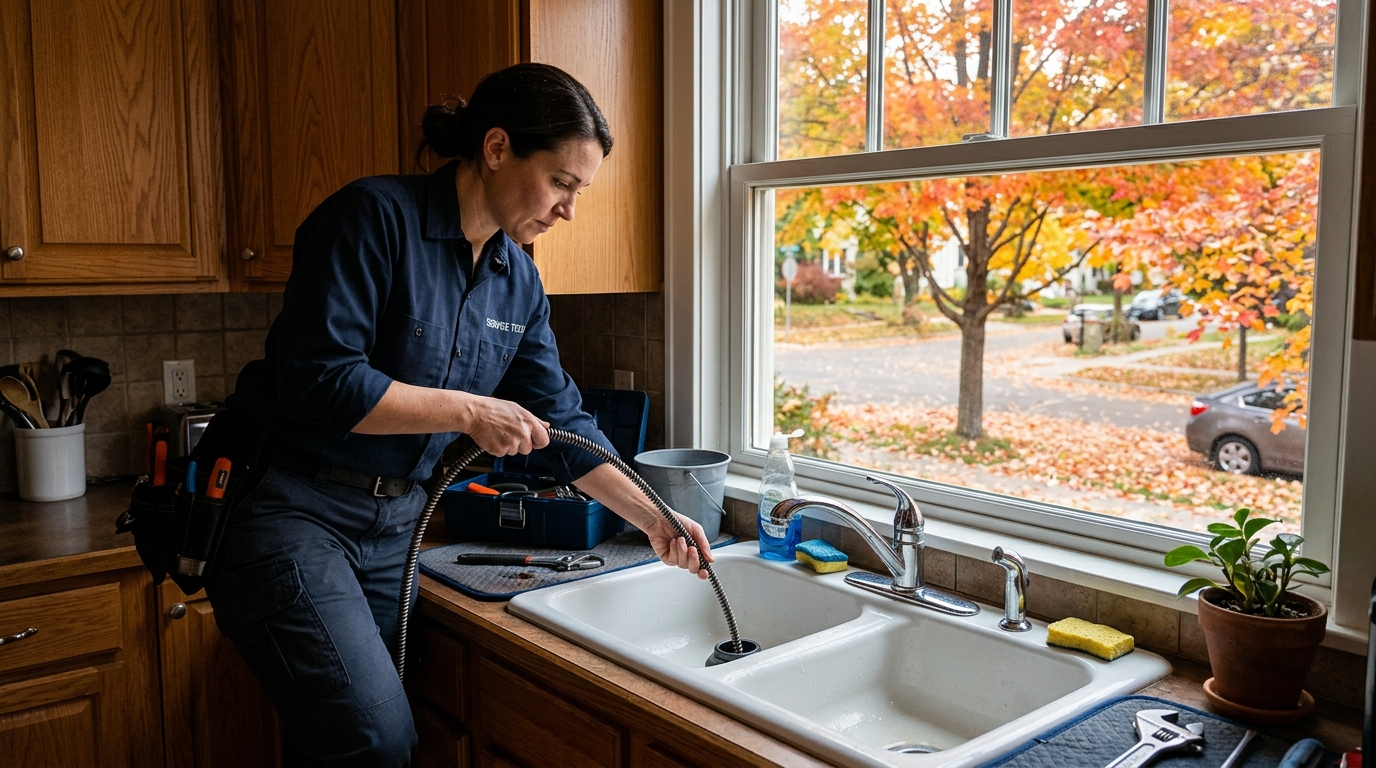
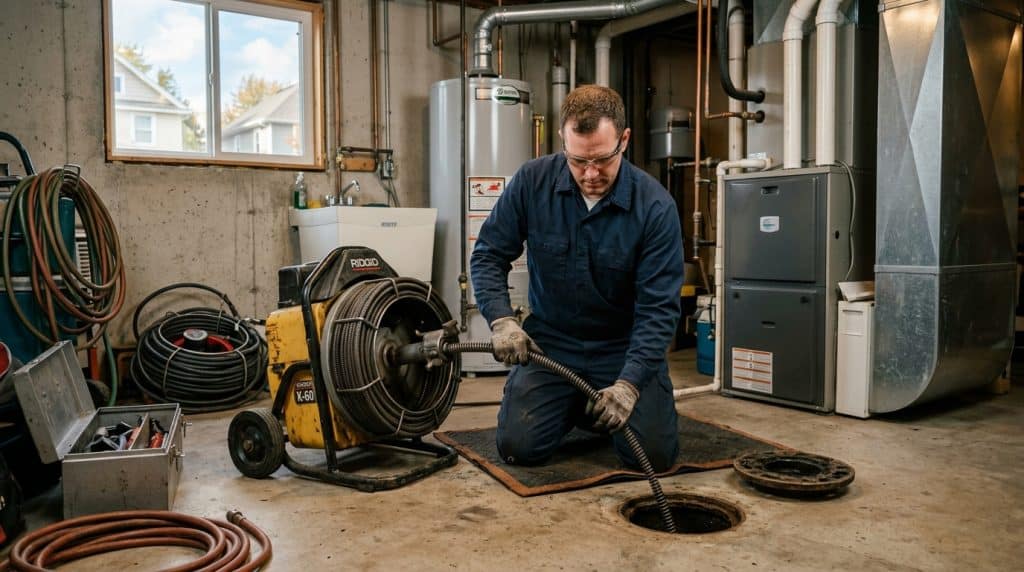
Drain snaking, also known as cabling, involves using a flexible metal cable with a specialized head to break up or remove clogs in your pipes. The snake is inserted into the drain, and as it’s advanced, the head rotates to cut through or grab onto the obstruction. This method is particularly effective for clearing common household clogs caused by hair, soap scum, and grease.
There are two main types of snakes: manual and powered. Manual snakes are typically shorter and thinner, making them suitable for minor clogs in easily accessible drains.
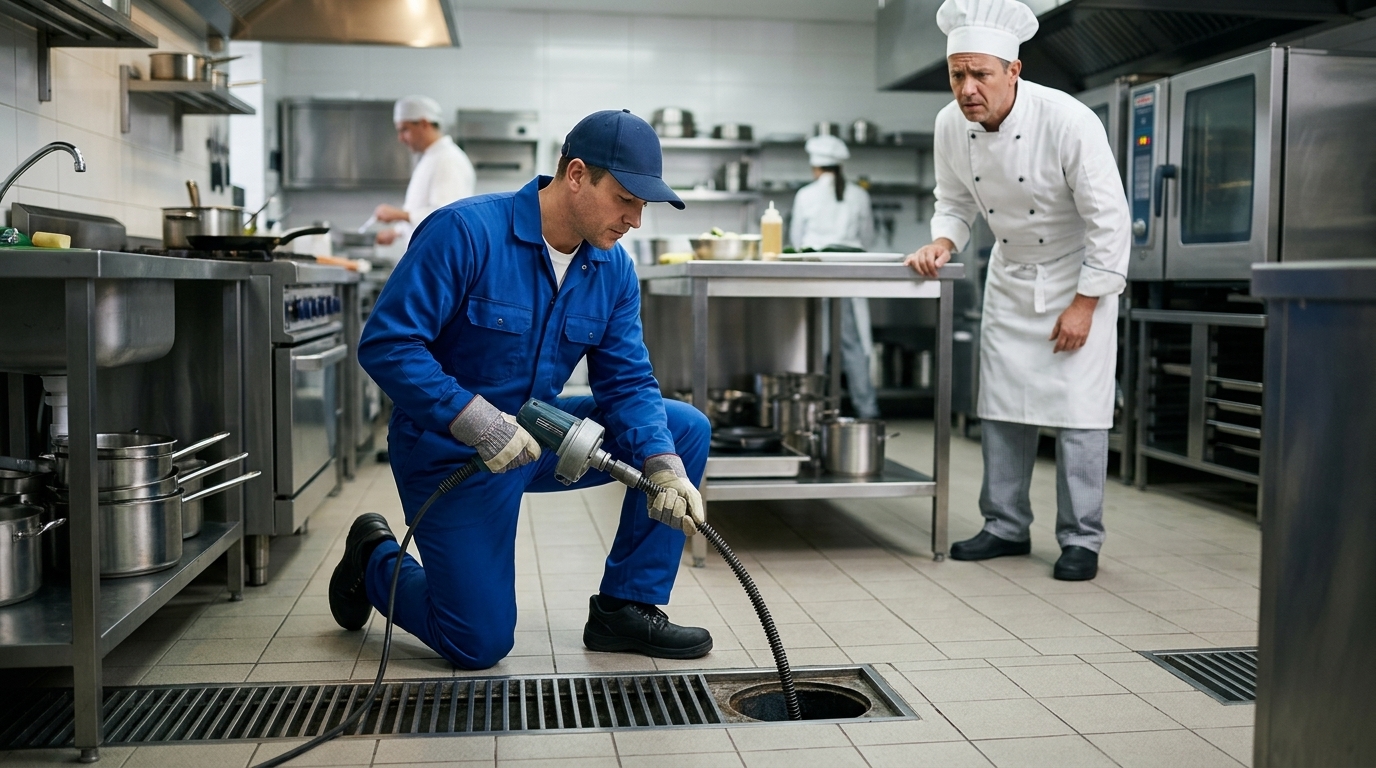
Powered snakes, on the other hand, are equipped with a motor that provides more power and allows them to reach further into the plumbing system. These are better suited for tougher clogs or blockages located deeper within the pipes.
If you think you have a blockage deeper in your system, you may also have other issues with your sewer system.
Advantages of Using a Snake for Drain Cleaning
One of the main advantages of using a snake is its effectiveness against specific types of clogs. Hair, soap, and grease are common culprits in household drain blockages, and snakes are well-equipped to break up or remove these materials.
Additionally, snaking is generally more cost-effective than other drain cleaning methods, such as hydro jetting. The equipment is relatively inexpensive, and the process is often quicker and less labor-intensive.
Another benefit of snaking is that it’s a less invasive option for minor clogs. Unlike chemical cleaners, which can corrode pipes over time, snaking doesn’t introduce any harmful substances into your plumbing system. And compared to hydro jetting, which requires specialized equipment and expertise, snaking can often be performed by homeowners themselves for simple clogs.
Limitations of the Snake Method
While snaking is effective for many types of clogs, it has its limitations. For instance, it may not be able to completely remove hardened grease buildup or mineral deposits from the pipe walls. In these cases, the snake might simply bore a hole through the clog, leaving residue behind that can lead to future blockages.
Furthermore, snaking may not be effective against tree roots that have infiltrated the pipes. Tree root intrusions are no joke. If you suspect this is happening to your system, you need to call a professional to come and take a look.
There are also potential risks associated with using a snake, especially if not done correctly. Forcing the snake too aggressively can damage or even puncture the pipes, leading to leaks and costly repairs.
It’s important to use the right size and type of snake for the job and to exercise caution when navigating the tool through the plumbing system. If you’re unsure about how to use a snake properly, it’s always best to consult with a professional plumber.
Exploring Hydro Jetting
What is Hydro Jetting?
Hydro jetting is a drain cleaning method that uses high-pressure water to blast away clogs and buildup from the inside of your pipes. A specialized nozzle is attached to a high-pressure hose, which is then inserted into the drain. As the water is released, it scours the pipe walls, removing grease, mineral deposits, tree roots, and other debris.
The equipment used in hydro jetting is more sophisticated than that of snaking. It typically includes a powerful water pump, a flexible hose, and a variety of nozzles designed for different types of clogs and pipe sizes. The pressure of the water can be adjusted to suit the specific situation, ensuring that the pipes are thoroughly cleaned without causing damage.
Benefits of Hydro Jetting for Drain Cleaning
One of the primary benefits of hydro jetting is its comprehensive cleaning action. Unlike snaking, which may only clear a path through the clog, hydro jetting removes virtually all debris from the pipe walls.
This results in a more thorough and longer-lasting cleaning, reducing the likelihood of future blockages. Hydro jetting is particularly effective at removing grease, tree roots, and mineral buildup, which can be difficult to address with other methods.
Another advantage of hydro jetting is that it’s an eco-friendly approach to drain cleaning. It doesn’t involve the use of harsh chemicals that can harm the environment or corrode your pipes.
The high-pressure water is simply used to blast away the clog, leaving your pipes clean and clear. In addition, hydro jetting can help prevent future clogs by removing the buildup that attracts debris and encourages blockages.
Considerations for Hydro Jetting
While hydro jetting offers many benefits, it’s important to consider the cost. Hydro jetting equipment is more expensive than snaking tools, and the process typically requires the expertise of a trained professional.
As a result, hydro jetting services tend to be more costly than snaking. However, the long-lasting results and prevention of future clogs may make it a worthwhile investment for homeowners who frequently experience drain problems.
Hydro jetting may not be suitable for all situations. Older pipes that are already weakened or damaged may not be able to withstand the high pressure of the water. In these cases, snaking or other gentler methods may be more appropriate.
Additionally, certain types of clogs, such as solid objects that are lodged in the pipes, may not be effectively removed with hydro jetting. It’s important to have a professional assess the situation and determine the best course of action.
Comparing Effectiveness: Snake vs. Jetting
Efficiency of Each Method
When it comes to efficiency, both snakes and hydro jetting have their strengths and weaknesses. Snakes are generally effective for clearing simple clogs caused by hair, soap, or grease in easily accessible drains. However, they may struggle with more stubborn blockages or those located deeper within the plumbing system.
Hydro jetting, on the other hand, is capable of clearing a wider range of clogs, including hardened grease, mineral buildup, and tree roots. Its high- pressure water can reach further into the pipes and provide a more thorough cleaning.
In Minneapolis homes, I’ve seen countless cases where snaking has provided a quick and temporary solution, only for the clog to return a few weeks or months later. This is often due to the fact that snaking only clears a path through the clog, leaving residue behind that can lead to future blockages.
Hydro jetting, by contrast, removes virtually all debris from the pipe walls, providing a longer-lasting solution. However, it’s important to note that hydro jetting may not always be necessary for minor clogs. In these cases, snaking may be sufficient to restore proper flow.
Cost Comparison
The cost of snaking and hydro jetting services can vary depending on the severity of the clog, the location of the blockage, and the plumber you choose. In general, snaking is the more affordable option, with initial service fees typically ranging from $75 to $200. Hydro jetting, on the other hand, can cost anywhere from $200 to $600 or more, depending on the complexity of the job.
However, it’s important to consider the long-term savings and value when comparing the costs of these two methods. While snaking may be cheaper upfront, it may require more frequent service calls if the clog returns.
Hydro jetting, with its more thorough cleaning action, can help prevent future blockages and reduce the need for repeat services. Over time, this can save you money and hassle. Additionally, hydro jetting can help extend the life of your pipes by removing buildup and preventing corrosion.
Potential Risks and Considerations
Both snaking and hydro jetting carry potential risks if not performed correctly. DIY snaking can lead to damaged pipes if the tool is used too aggressively or if the wrong size snake is chosen. Hydro jetting, with its high-pressure water, can also damage older or weakened pipes if not handled carefully. That’s why it’s always best to hire a qualified plumber who has the experience and expertise to perform these services safely and effectively.
Before deciding on a drain cleaning method, it’s important to assess the severity of the clog and the condition of your pipes. If you’re dealing with a minor clog in a relatively new plumbing system, snaking may be a sufficient and cost-effective solution.
However, if you have a stubborn clog, recurring blockages, or older pipes, hydro jetting may be the better option. A professional plumber can help you evaluate your situation and recommend the most appropriate course of action.
Making the Right Choice for Your Home
Assessing Your Clog Situation
Before calling a plumber, take some time to assess your clog situation. Is the drain completely blocked, or is it just draining slowly? Are there any unusual odors coming from the drain? Have you tried any DIY solutions, such as pouring hot water or using a plunger? The answers to these questions can help you determine the severity of the clog and the best course of action.
If you’re comfortable doing so, you can also try to visually inspect the drain for any obvious obstructions. Use a flashlight to look down the drain and see if you can spot any hair, soap scum, or other debris. If you can easily reach the clog, you may be able to remove it yourself with a pair of tweezers or a bent wire hanger.
However, if the clog is located deeper within the pipes or if you’re not comfortable working with plumbing, it’s best to call a professional.
When to Call a Professional
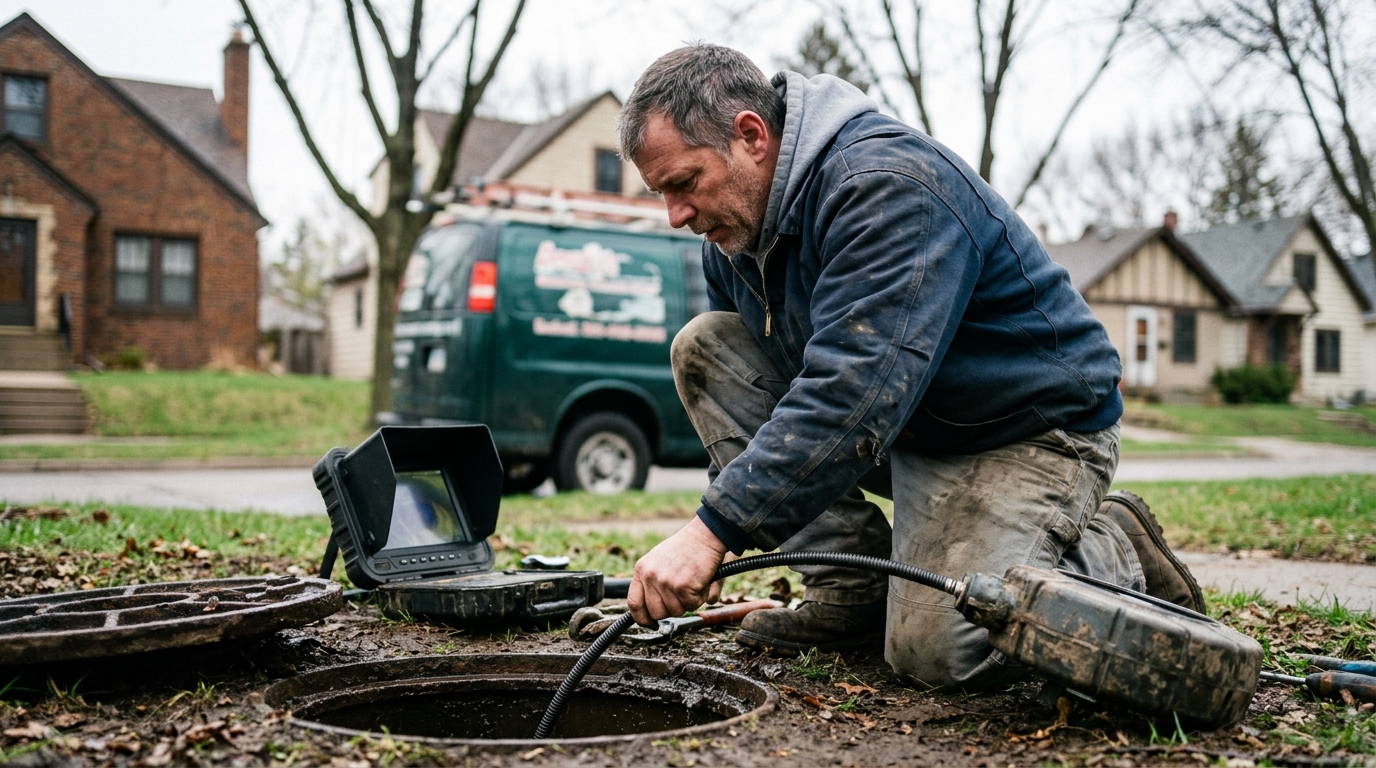
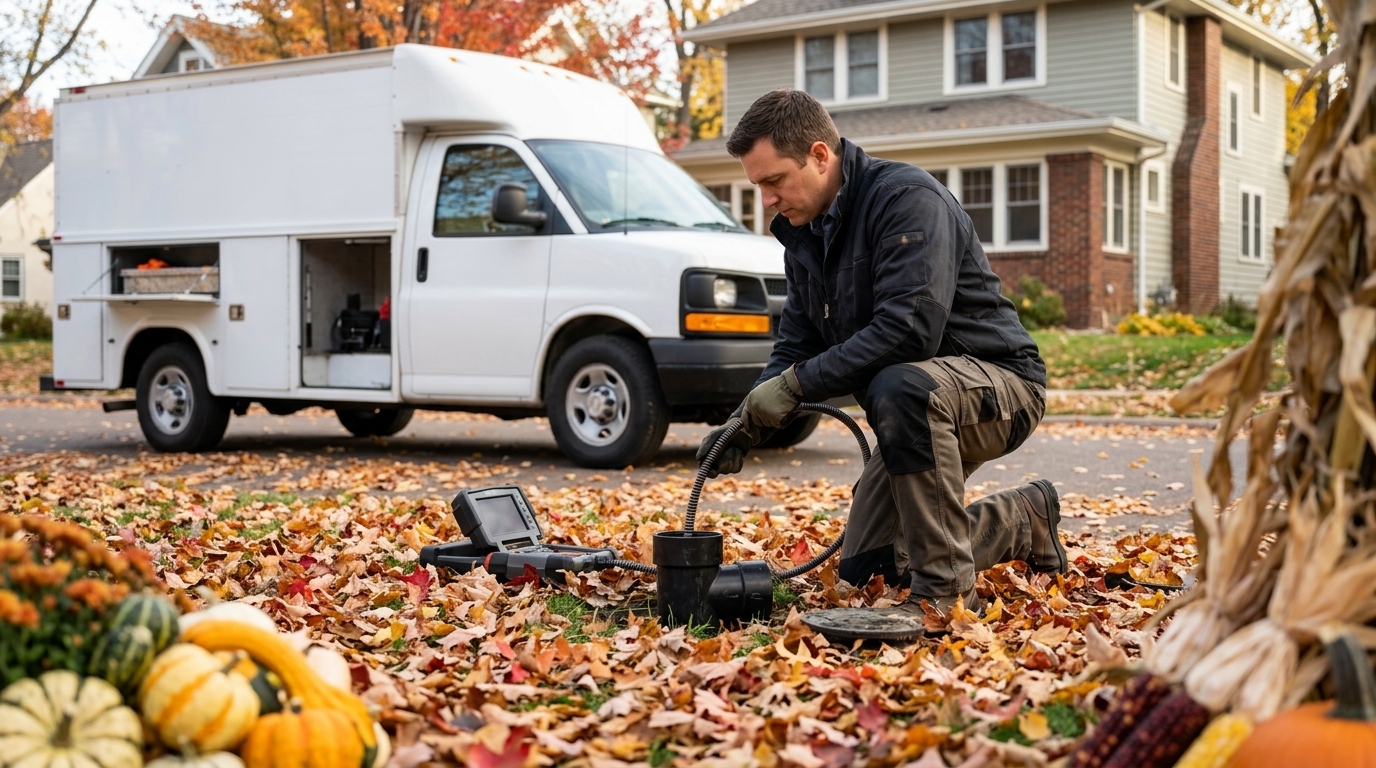
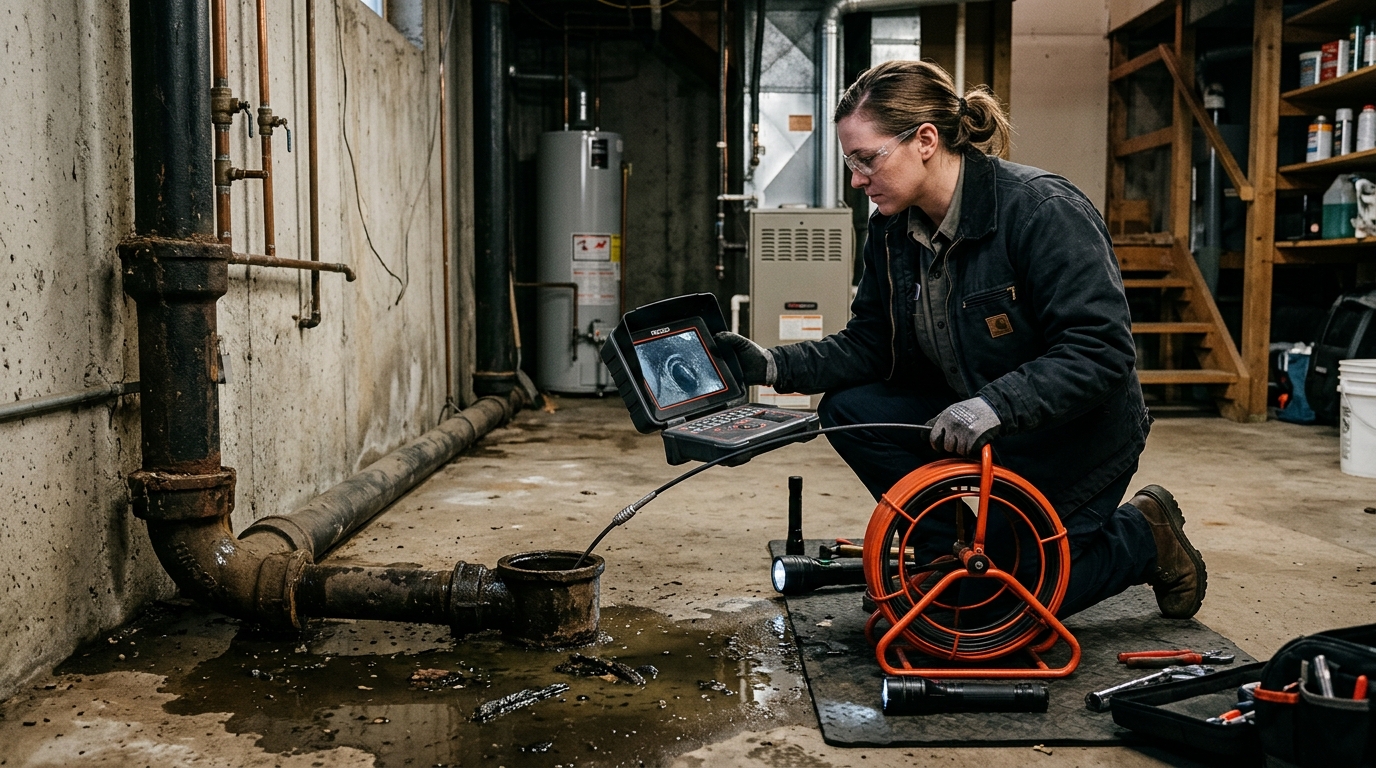
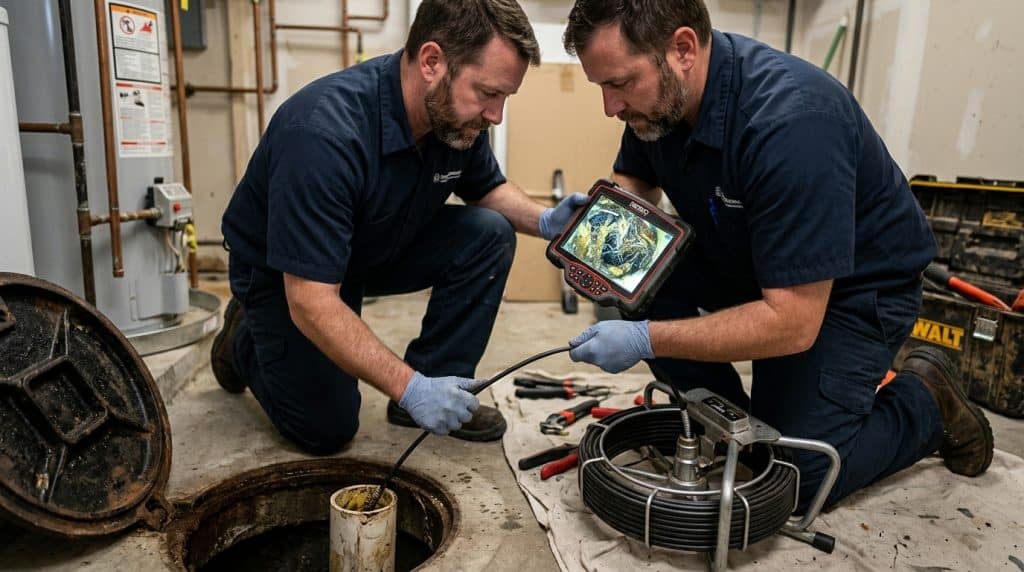
There are several signs that indicate you need expert assistance with your drain cleaning. If you’ve tried DIY solutions without success, if the clog is recurring, or if you suspect there may be damage to your pipes, it’s time to call a professional plumber. A technician can use specialized equipment, such as a sewer camera, to diagnose the problem and recommend the most appropriate solution.
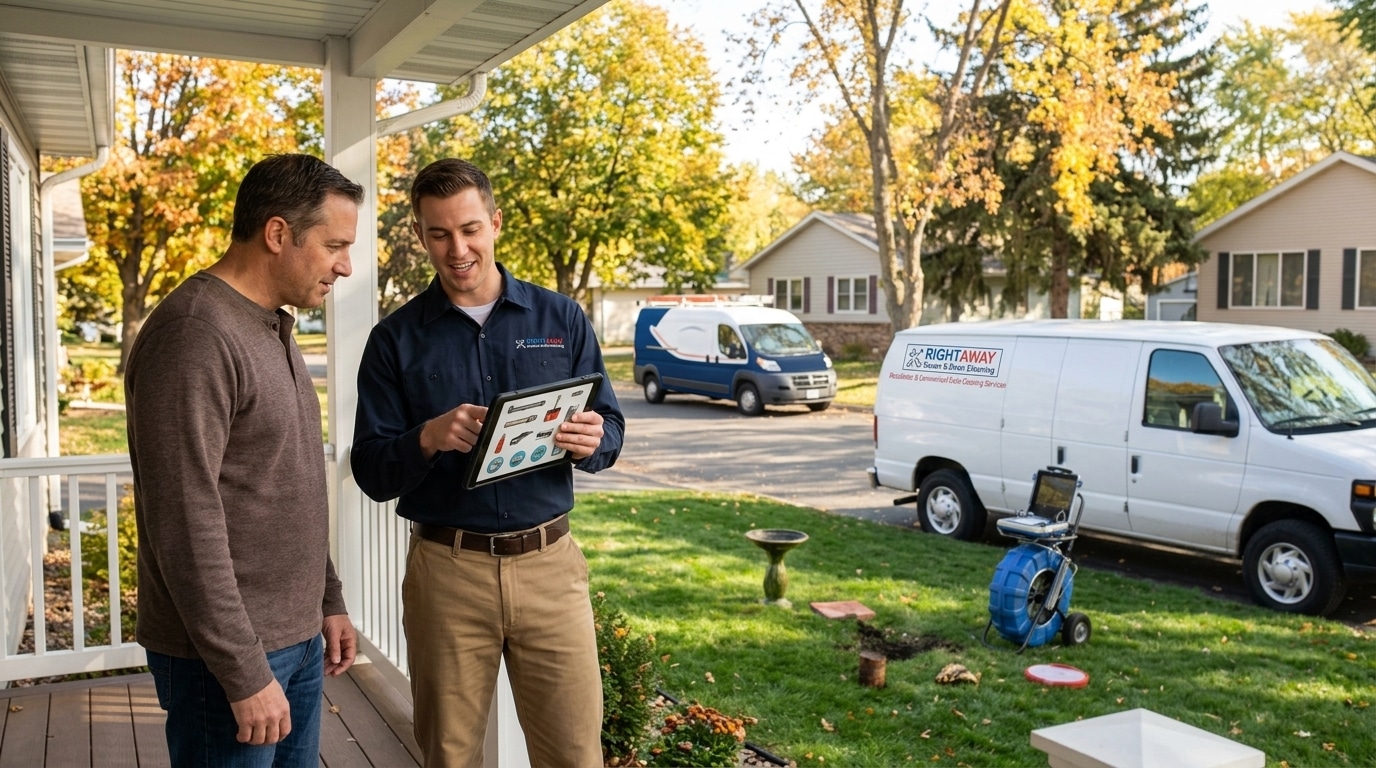
When hiring a plumber, be sure to ask about their experience with both snaking and hydro jetting. A reputable plumber will be able to explain the pros and cons of each method and help you choose the one that’s best suited for your needs.
They should also be able to provide you with a clear and upfront estimate of the cost of the service. Don’t hesitate to ask questions and get a second opinion if you’re not comfortable with the plumber’s recommendations.
What This Means for Your Property
In summary, both snaking and hydro jetting are effective drain cleaning methods, but they work best in different situations. Snaking is a cost- effective solution for minor clogs, while hydro jetting offers a more comprehensive cleaning for stubborn blockages and buildup. Choosing the right method depends on the severity of the clog, the condition of your pipes, and your budget.
Remember, regular drain maintenance is key to preventing clogs and keeping your plumbing system in good working order. If you’re in doubt, consult with a trusted drain cleaning professional for personalized advice and to ensure the job is done safely and effectively. Don’t wait until a small clog turns into a major plumbing emergency, take proactive steps to maintain your drains and protect your property.