
As a Minnesota homeowner, you know the frustration of a clogged drain. That slow-draining sink or gurgling toilet can disrupt your entire day. What’s even more annoying is when that “simple” clog seems to linger longer than it should, defying every DIY trick in the book.
Here in Minnesota, our unique climate and plumbing systems often conspire to make drain clogs more stubborn than in other parts of the country. This article aims to shed light on why those clogs last longer here, offering practical advice to keep your drains flowing freely.
Understanding Drain Clogs in Minnesota
What is a Drain Clog?
A drain clog is any obstruction that restricts or blocks the flow of water in your plumbing system. It typically occurs when materials accumulate inside the pipes, narrowing the passage and eventually causing a complete blockage.
Common culprits include hair, grease, food scraps, soap scum, mineral buildup, and small objects that accidentally find their way down the drain. Over time, these materials can compact and harden, making the clog increasingly difficult to remove.
Think of your drain like an artery. Just as plaque builds up in arteries, restricting blood flow, debris accumulates in your drains, restricting water flow. The longer these materials sit, the more they bind together, creating a solid mass. That’s why prevention is always better than cure when it comes to drain clogs.
The Unique Climate Impact
Minnesota’s harsh winters play a significant role in drain clogging issues. The extreme cold can cause pipes to freeze, leading to cracks and damage. Even without freezing, cold temperatures can exacerbate existing clogs by solidifying grease and slowing down the natural flow of water.
Ice dams on your roof can also contribute to drainage problems, as melting snow and ice struggle to find a clear path through your gutters and downspouts. According to the Minnesota Department of Commerce, preventing frozen pipes is crucial for Minnesota homeowners.
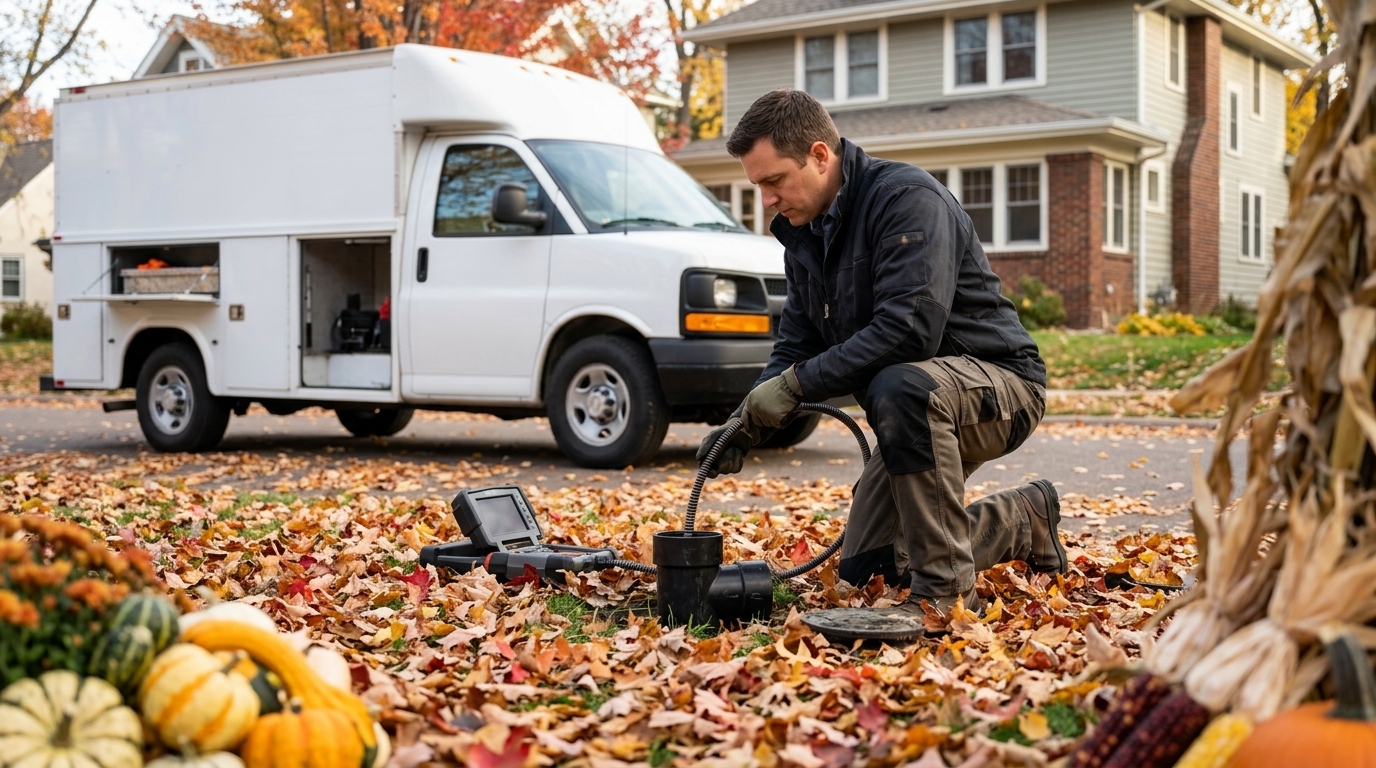
Seasonal changes also affect drainage systems. Spring brings snowmelt and heavy rains, which can overwhelm municipal sewer systems and cause backups into your home. Fall sees an influx of leaves and debris that can clog outdoor drains and sewer lines. Understanding these seasonal challenges is the first step in preventing long-lasting drain clogs.
Common Causes of Long-Lasting Clogs
Seasonal Changes and Plumbing
Temperature fluctuations throughout the year can cause pipes to expand and contract. This constant movement can weaken pipe joints and create small cracks where debris can accumulate.
In winter, rapid freezing and thawing cycles can put immense pressure on pipes, increasing the risk of both clogs and bursts. The impact of snowmelt and heavy rains in Minnesota cannot be overstated, as they often lead to overloaded sewer systems and increased backflow into residential drains.
Furthermore, the freeze-thaw cycle can shift the ground around your pipes, causing them to sag or become misaligned. This misalignment can create low spots where water and debris collect, forming stubborn clogs over time.
Regular inspection of your plumbing system, especially before and after winter, can help identify and address these issues early on. Consider scheduling an inspection of your plumbing services.
Material Build-Up in Cold Climates
Colder temperatures cause grease and fats to solidify much faster than in warmer climates. When you pour hot grease down the drain, it may seem liquid enough to flow through, but as it cools in the pipes, it hardens and clings to the pipe walls. This solidified grease acts like glue, trapping other debris and creating a thick, impenetrable clog.
The types of materials that contribute to long-lasting clogs in Minnesota homes often include a combination of grease, hair, and mineral-rich water deposits. Minnesota’s hard water accelerates mineral buildup. This buildup narrows the pipe diameter over time, making it easier for other debris to catch and form a clog.
Regional Plumbing Nuances
The Importance of Pipe Material
The type of pipe material used in your home significantly impacts its susceptibility to clogs. Older Minnesota homes often have cast iron pipes, which, while durable, are prone to rust and corrosion. This corrosion creates a rough inner surface that easily traps debris, leading to clogs.
Newer homes typically use PVC pipes, which are smoother and less prone to corrosion. However, PVC pipes can still develop clogs if not properly maintained. Understanding the type of pipe you have is crucial for choosing the right maintenance and cleaning methods.
For example, harsh chemical drain cleaners can damage older cast iron pipes, while gentler enzymatic cleaners may be more effective and safer. Regular plumbing inspections can help determine the condition of your pipes and identify potential problem areas before they lead to major clogs. Right Away Sewer and Drain Cleaning can help you diagnose the current state of your pipes.
Local Plumbing Codes and Practices
Minnesota plumbing codes address cold climate challenges by requiring deeper burial depths for water and sewer lines to prevent freezing. These codes also specify insulation requirements for pipes in unheated areas. While these codes help prevent frozen pipes, they don’t necessarily prevent clogs. However, local plumbing practices often emphasize the importance of proper drain slope and venting to ensure efficient drainage and reduce the risk of clogs.
Homeowners can benefit from understanding these local practices by ensuring their plumbing systems are properly installed and maintained. For instance, proper venting allows air to circulate in the drain pipes, preventing the formation of vacuums that can slow down drainage and contribute to clogs.
Consulting with a local plumber can provide valuable insights into how these codes and practices affect your home and how to best maintain your plumbing system. Regular maintenance can prevent costly repairs, consider learning about our drain cleaning services.
Prevention and Maintenance Tips for Homeowners
Seasonal Maintenance Checklist
To prevent long-lasting drain clogs in Minnesota, follow this seasonal maintenance checklist:
Fall:
- Clean out gutters and downspouts to prevent debris from entering the drainage system.
- Insulate exposed pipes in unheated areas to prevent freezing.
- Schedule a professional drain cleaning to remove accumulated debris before winter.
Winter:
- Let faucets drip slightly during extreme cold to prevent pipes from freezing.
- Avoid pouring grease down the drain.
- Monitor for signs of frozen pipes (e.g., no water flow, bulging pipes).
Spring:
- Check for leaks and cracks in pipes after the winter thaw.
- Ensure proper drainage around your foundation to prevent water from seeping into your basement.
- Consider a camera inspection of your sewer line to identify any potential blockages or damage.
Summer:
- Use drain screens to catch hair and food particles.
- Flush drains with hot water regularly to prevent grease buildup.
- Be mindful of what you rinse down the drain, especially during outdoor activities.
Professional Plumbing Services in Minnesota
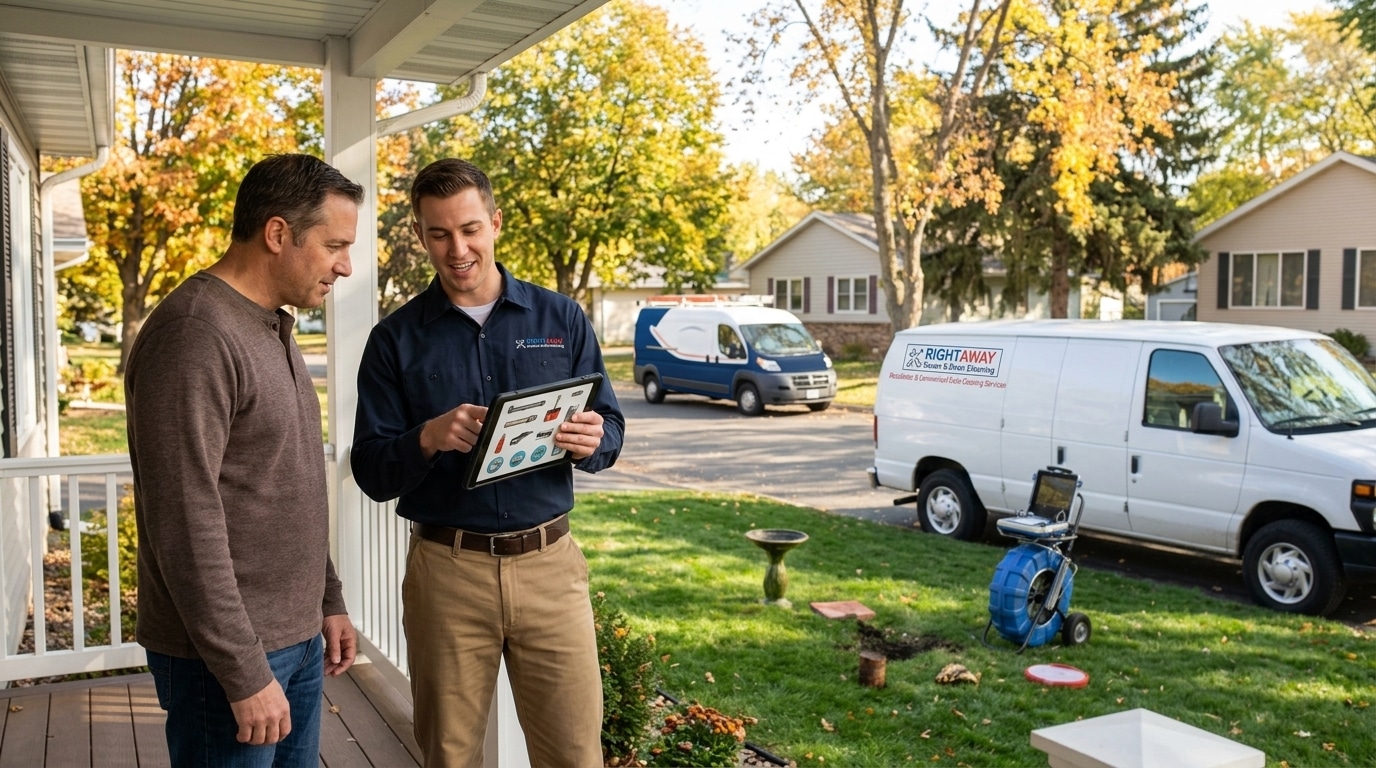
Hiring a local plumber for regular maintenance and emergency services offers numerous benefits. Professional plumbers have the expertise and equipment to diagnose and resolve drain clogs quickly and effectively. They can also identify potential problems before they escalate into costly repairs. Service options available for drain cleaning and clog prevention in Minnesota include:
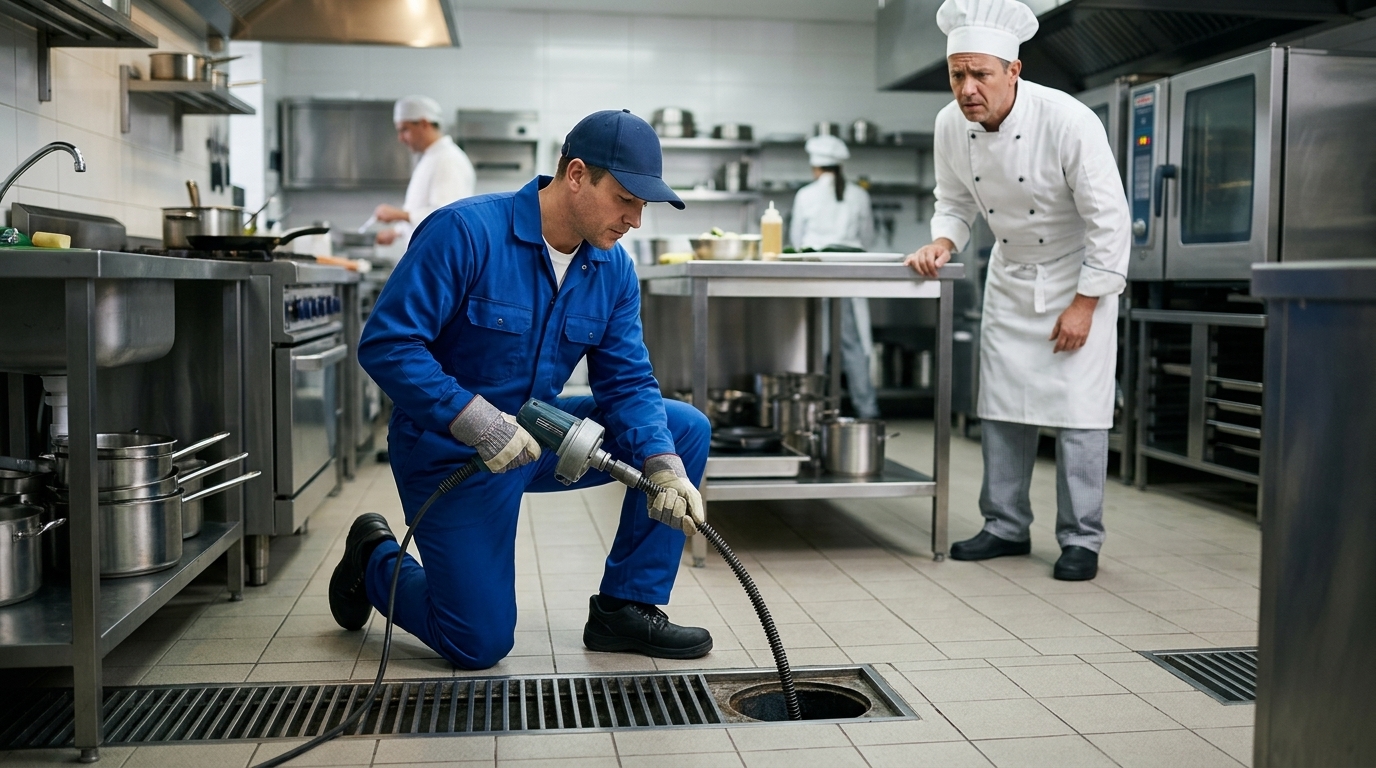
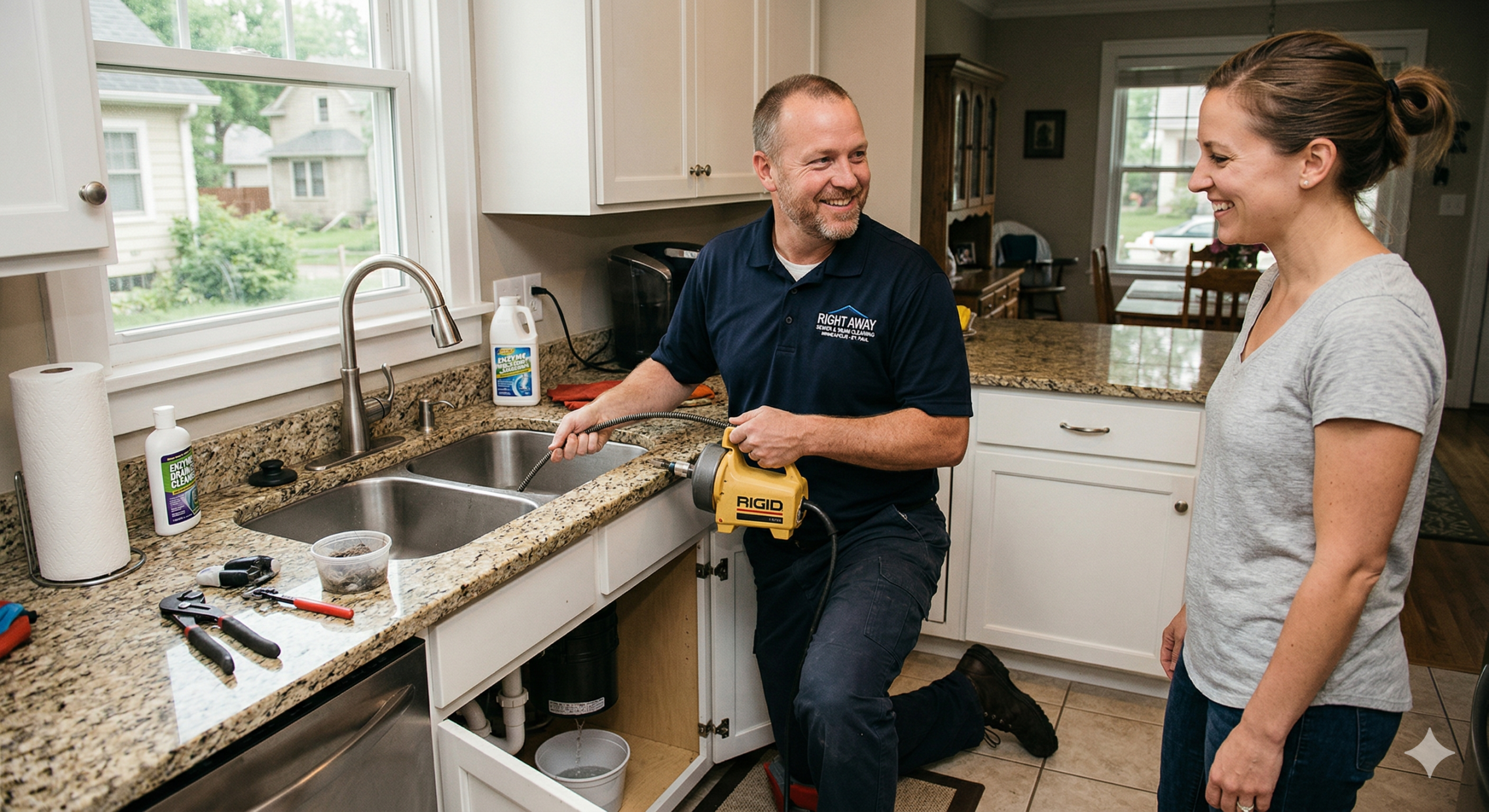
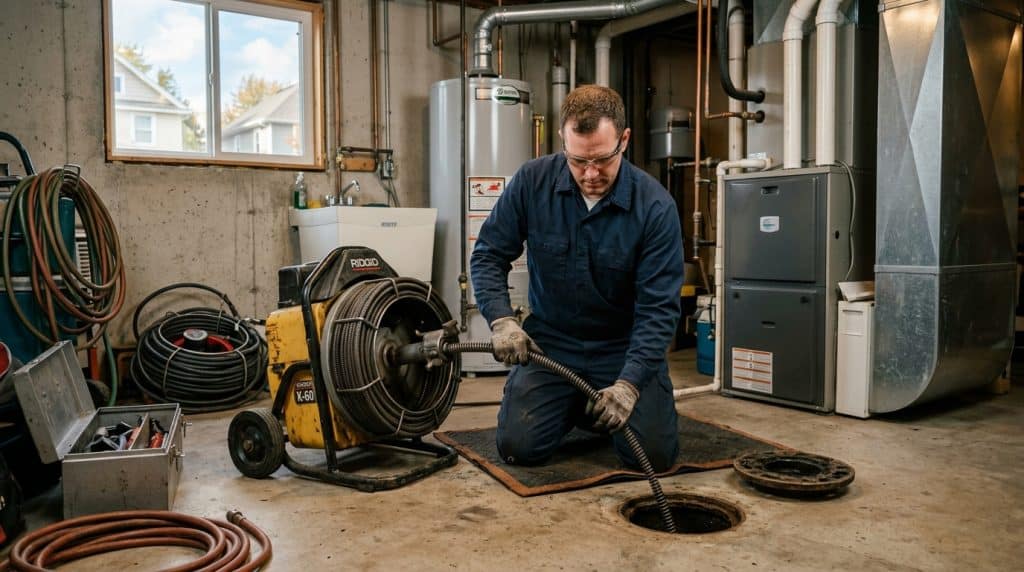
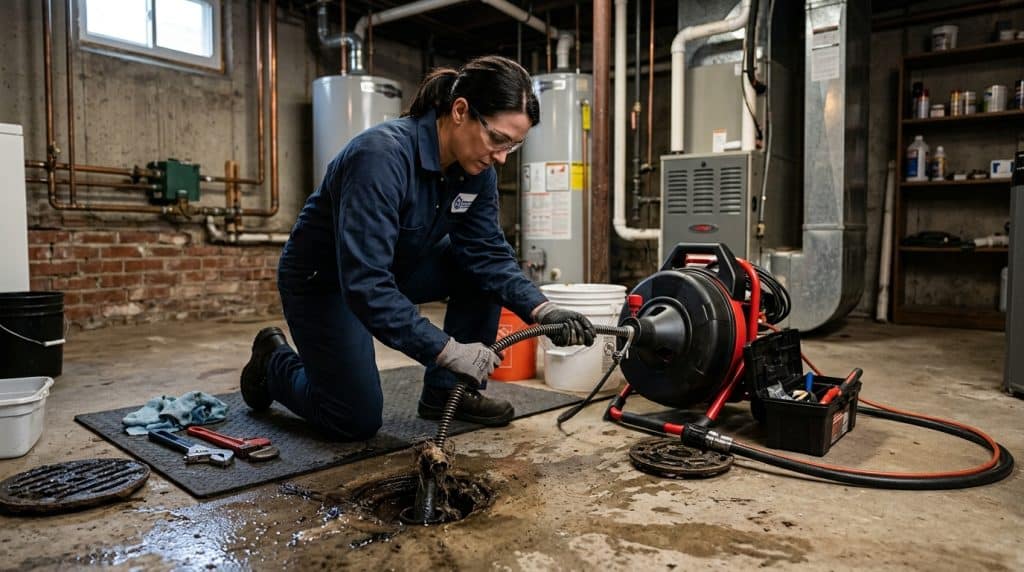
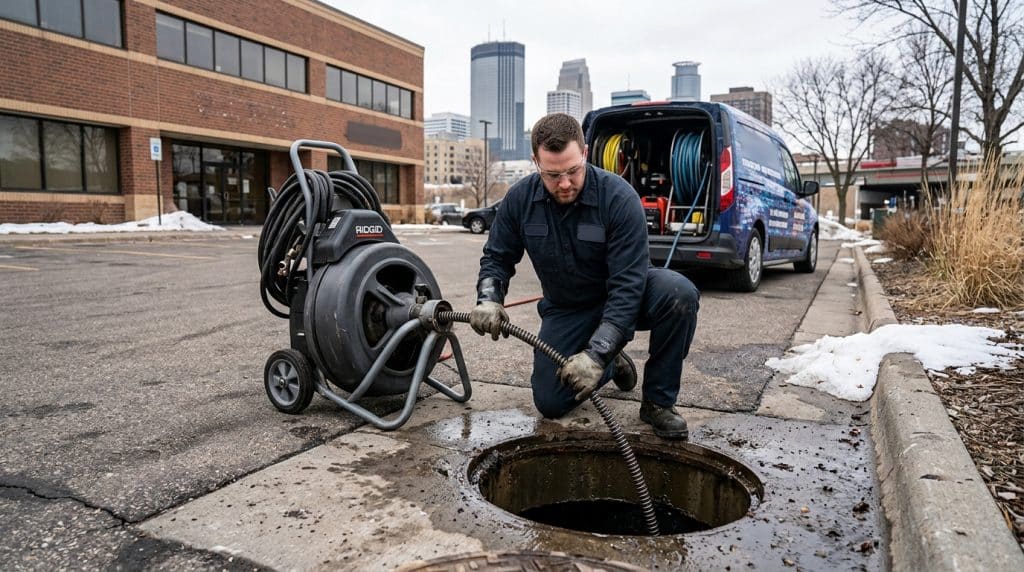
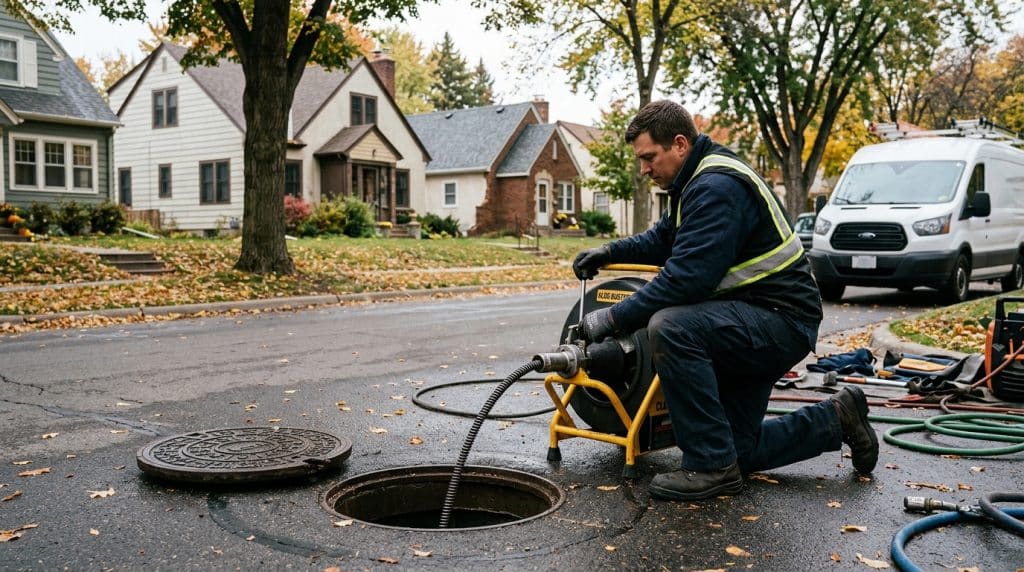
- Drain snaking: Using a flexible auger to break up and remove clogs.
- Hydro jetting: Using high-pressure water to blast away stubborn clogs and clean pipe walls.
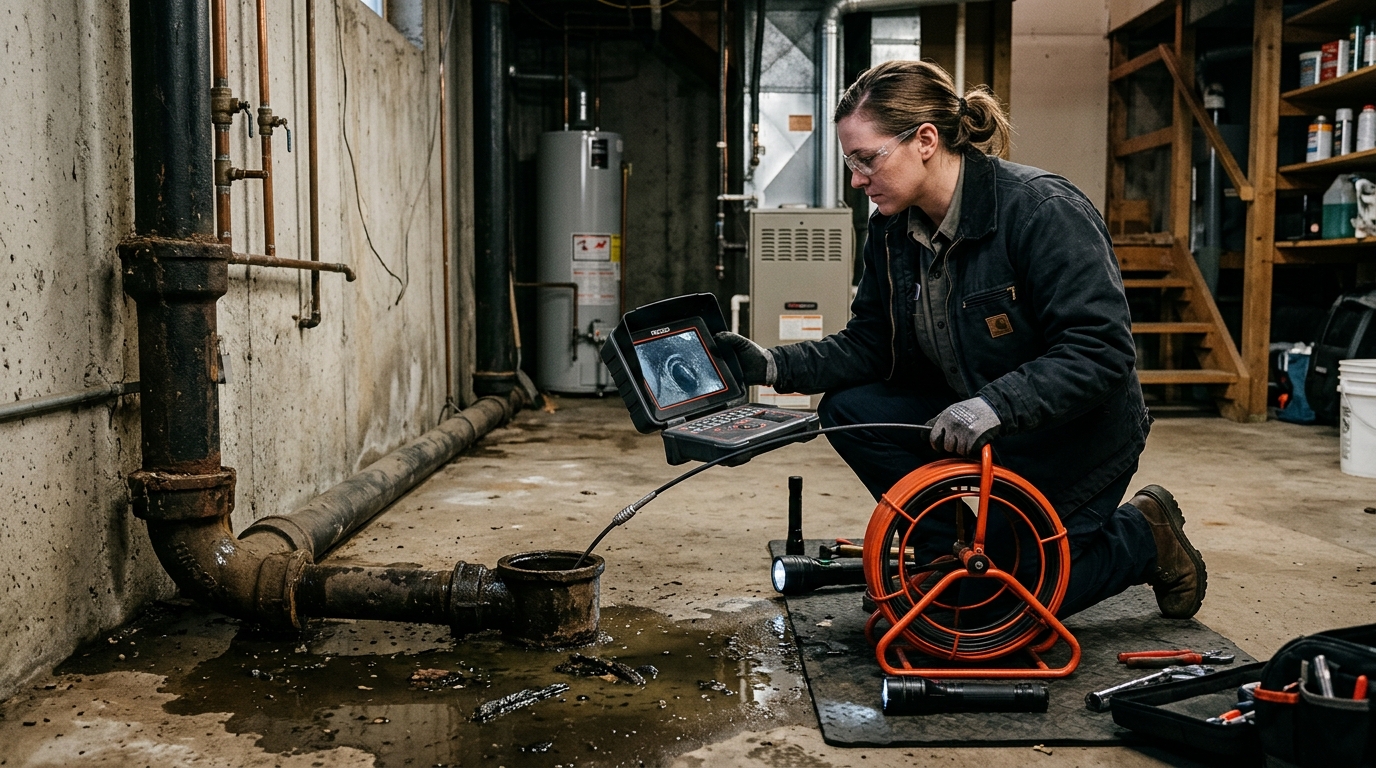
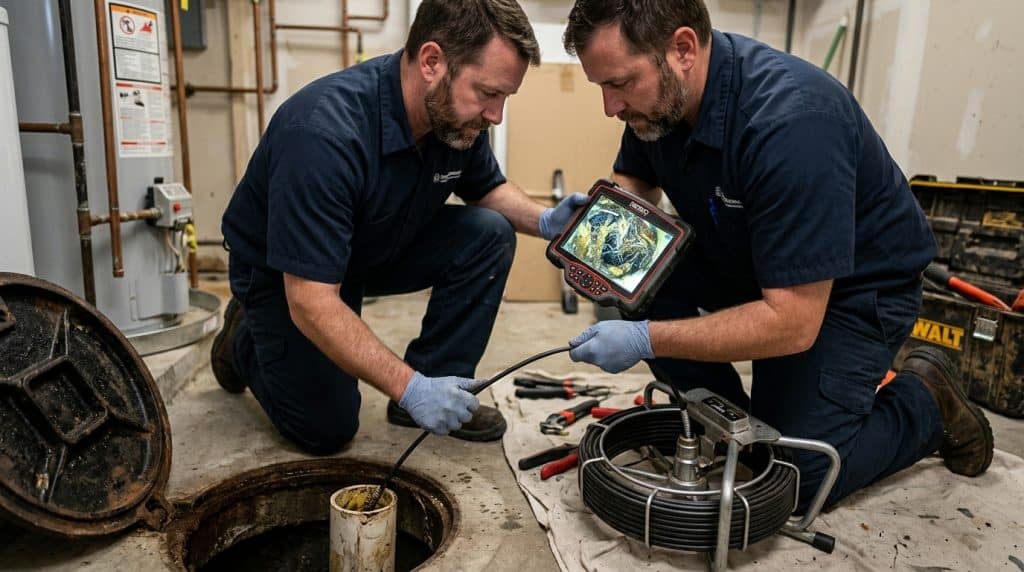
- Camera inspection: Using a video camera to inspect the inside of pipes and identify the cause of clogs.
- Preventive maintenance: Regular drain cleaning and inspection to prevent clogs from forming.
Right Away Sewer and Drain Cleaning offers all of these services, ensuring your drains remain clear and functional year-round.
When to Call a Professional
Signs of Serious Clogs
Knowing when to call a professional plumber can save you time, money, and unnecessary stress. Here are some indicators that a clog may require professional attention:
- Slow draining: Water drains very slowly from sinks, tubs, or showers.
- Gurgling sounds: Gurgling noises coming from drains indicate trapped air, which can be a sign of a blockage.
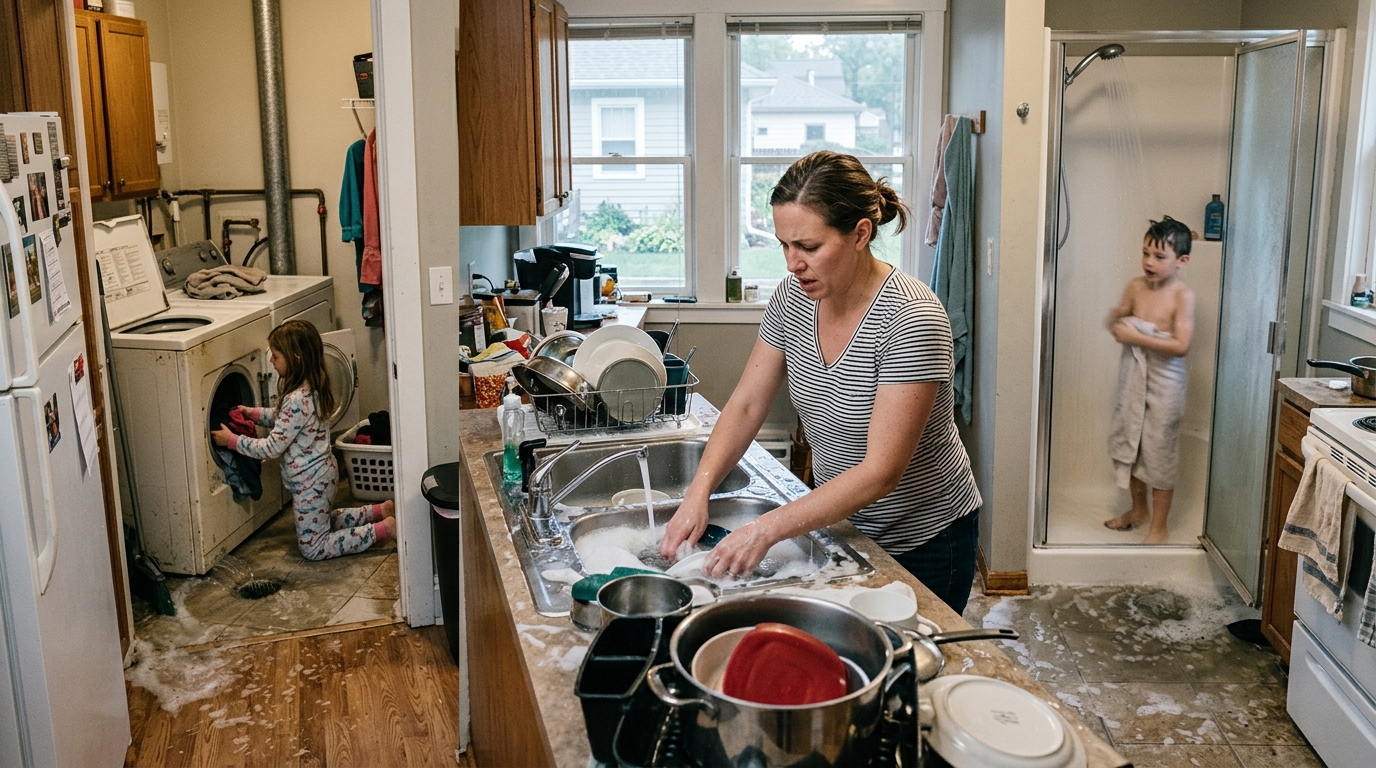
- Multiple clogged drains: If multiple drains are clogged simultaneously, it could indicate a problem in the main sewer line.
- Sewage backup: Sewage backing up into your drains is a serious issue that requires immediate attention.
- Foul odors: Unpleasant odors coming from drains can indicate trapped food or sewage.
Emergency Plumbing Services
Knowing local emergency plumbing services in Minnesota is crucial for handling urgent plumbing issues. Emergency plumbers are available 24/7 to address problems like burst pipes, sewage backups, and severe clogs that threaten your property. They have the tools and expertise to quickly diagnose and resolve these issues, minimizing damage and preventing further complications.
Keep the number of a reliable emergency plumber readily available in case of a plumbing crisis. You can find a qualified plumber by searching “emergency plumbing services” online.
What This Means for Your Property
In Minnesota, drain clogs are more than just a minor inconvenience; they’re a persistent challenge influenced by our unique climate and plumbing conditions. By understanding the common causes, regional nuances, and preventative measures, you can protect your home from the frustration and expense of long- lasting clogs.
Regular maintenance, seasonal awareness, and knowing when to call a professional are key to keeping your drains flowing smoothly year- round.
Don’t let stubborn drain clogs disrupt your life. Contact a local plumber today for a drain inspection or to schedule preventive maintenance. Ensure your plumbing system is ready to handle the challenges of the Minnesota climate.